News
OPEC Shock: Why the UAE Just Quit the Oil Cartel and What it Means for Global Fuel Prices

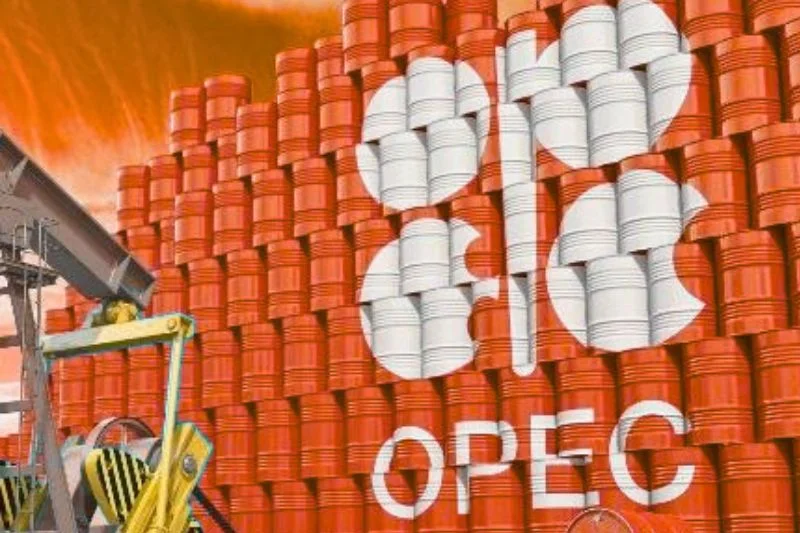
A historic move has trembled the global energy environment; the Organization of the Petroleum Exporting Counties is losing a very powerful leader. By May 1, 2026, the United Arab Emirates will officially quit the oil alliance, bringing to a close decades of alliance. This step goes beyond merely symbolic, however, it is an indication of a significant change in the way oil markets might operate within the next few years.
Over the decades OPEC has been at the center of stabilization of oil prices by balancing the level of production amongst member nations. With the departure of the UAE, that balance is being questioned, and it remains questionable whether the cartel can continue to influence. Markets, policymakers and consumers are closely monitoring how this decision alters the world’s fuel dynamics.
Why the UAE Quit OPEC?
At the core of the UAE exit from OPEC is a long time and frustration towards production quotas. Although the country had the potential to produce almost 4.8 million barrels per day, the country had to be limited to about 3.2 million by OPEC+ protocols. This stifle decreased its potential to utilize its oil reserves to the fullest in a pivotal economic moment.
In addition to production limits, there is also a bigger constituent strategy of economic diversification that the UAE is seeking to achieve. Although oil continues to form a major pillar, the nation is making major investments in other sectors such as tourism, technology, and renewable energies. By abandoning OPEC it is set to maximise oil revenues today, at the same time setting up a future in which fossil fuels become a less significant part.
The role of geopolitics has contributed as well. Local pressure and alliances, especially between the US and Iran have prompted the UAE to be more independent. Through breaking with OPEC, it will become more flexible in terms of its energy policy and foreign relations.
Implication of this on the World Oil Prices
There might be little effect on oil prices in the short term. Constant geopolitical tensions, such as interference of major shipping routes, such as the Strait of Hormuz, keep the prices high; at present they are around 100+ per barrel. The disruptions could balance out any short-term growth in the UAE production by supply constraints.
But the future picture is not so optimistic. The UAE would be free to inject additional oil to the world market since the country is free to produce more output. Increased supply generally results in a reduction of the prices which may ultimately be passed on to the consumers with the effects of decreased fuel prices. This will be of great importance especially to the economies that rely on imports.
Concurrently, increased price volatility may be caused by the lack of coordination between OPEC. Lack of coherent production plans can lead to more intense cycles in the market, and consequently, government and company predictions will become more challenging, both in the short and long run.
Setback to the influence of OPEC
The UAE produces a substantial portion of the overall oil in the world and its withdrawal undermines the collective bargaining strength of OPEC. Playing via unity has traditionally helped the organization to affect the prices but such a move exposes the disparities within member states.
It is also becoming the subject of increasing speculation that other nations-like Iraq or Kuwait- might rethink their stances. With the additional actions of other countries, the status of OPEC as a market stabilizer may also decline, to the point of a more disjointed and competitive international oil market.
The evolution might be the commencement of a new age where self-interested nations’ technology-producing oil tend to promote personal approaches instead of mutual agreements. To the consumers, this would imply both the opportunities (lower prices) and risks (greater volatility).
Implications to consumers and business
To the average consumer, the departure of the UAE might ultimately lead to decreased fuel prices particularly when global supply goes well above the mark. This advantage might however require time to be realized since there are existing uncertainties in geopolitics.
A mixed scenario is likely to arise in the case of businesses, especially in the field of logistics and transportation. Although the pricing favours due to increased affordability of fuel, erratic fluctuations in prices may make budgeting and planning a hassle in the long run. Industries that consume a lot of energy will have to acclimate themselves to this dynamic environment.
Governments in turn, might have to re-evaluate their energy policies and their sources of supply diversification to reduce risks of market instability. The change supports the significance of balancing economic growth and energy security.
FAQs
1. What has made the UAE withdraw out of OPEC?
UAE abandoned OPEC mostly because it was annoyed with the production quotas, wanted to be more economically flexible, and with change in geopolitical priorities.
2. Do the fuel prices immediately fall?
Nope, in the short term fuel prices will not fall since geopolitical tensions and supply grabs are prevalent. The price decline in the long run will be based on the augmented output and market factors.
3. What is the impact on this on OPEC?
The downgrade of its impact on global oil prices through its withdrawal of OPEC membership is likely to lower the capacity of the UAE in exercising its influence. It also makes the possibility of other members leaving.
4. Will other nations emulate the UAE?
Some speculation is that other producers could even walk back its membership although nothing is announced yet.
5. What is the future expectation of consumers?
The low fuel prices may ultimately translate to better prices for the consumers, although they ought to also be ready to record heightened levels of volatility of prices in the international energy market.
More Stories You Shouldn’t Miss
Ready for Doha’s Biggest Tech Crowd?
Explore how Web Summit Qatar 2026 sold out as thousands head to Doha for innovation and networking.
Curious About UAE at G7 Talks?
Discover why Canada invited the UAE to join key discussions at the upcoming G7 summit.
Interested in Kuwait’s Cloud Innovations?
Check how GBM CloudX launch is shaping the future of cloud technology at Kuwait Innovation Summit.
Want Insights from Dublin Meetings?
Explore what happened during the first Web Summit Qatar 2026 meetings held in Dublin.
Looking at UAE’s AI Global Rise?
Discover how UAE’s AI powerhouse strategy is driving its rapid global technological influence.




Nobel Prize 2026 Winners Full List Categories and Achievements

From Abu Dhabi to Brussels: Europe’s Growing Focus on the Muslim Brotherhood and Cross-Border Security

Top 10 Staycations and Overseas Trip Options for UAE Families During Nine Day Half Term School Break

UFC Fight Night Doha Tickets Go on Sale: Guide on Ticket Price, How to Buy Tickets and Attend the Event

Saudi Aviation Authority Confirms 1 Dead, 11 Injured on Sunday Riyadh Airport Attack

UAE Flight Suspensions Extend Across Saudi Arabia
-

 Reports3 days ago
UAE and Saudi Arabia Seek to Strengthen Rail and Infrastructure Integration
-
 Entertainment3 days ago
Lusail Circuit Opens Volunteer Applications for 2026 MotoGP and Formula 1
-
 Reports3 days ago
Kuwait Urges Unified Global Response to Terrorism and Financing
-
 News3 days ago
Trade Deal Talks Concluded Between UAE and Thailand