
News
Saudi Weather Emergency: Flash Flood & Hail Warning Until Friday—List of “No-Go” Valleys and Regions to Avoid Today

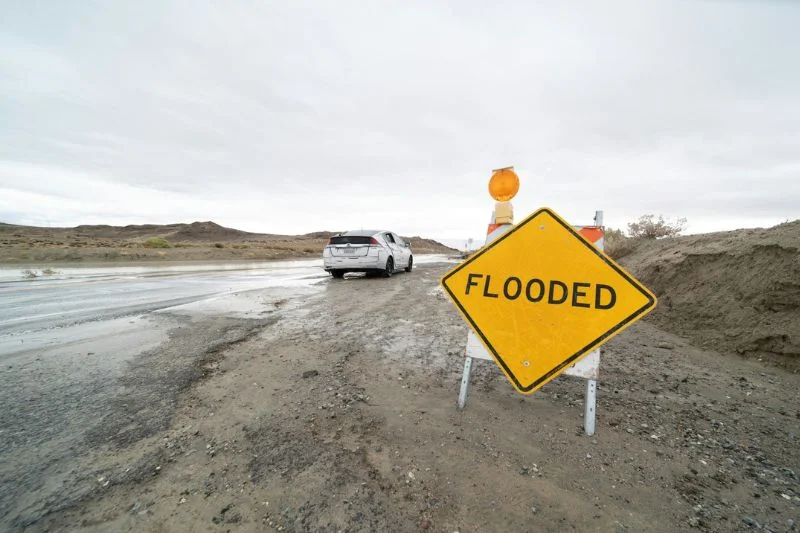
Saudi Arabia is in the midst of a major weather crisis whereby mass storms have been experienced in most parts of the country. The National Centre for Meteorology and Saudi civil defense has declared a red alert warning people of heavy rainfall, hailstorms, and ruthless flash floods up to Friday 24 April 2026. Governments are discouraging citizens to take urgent measures because the situation is deteriorating.
#الدفاع_المدني : استمرار هطول الأمطار الرعدية على مناطق المملكة حتى يوم الجمعة المقبل.
— الدفاع المدني السعودي (@SaudiDCD) April 19, 2026
لسلامتكم .. الابتعاد عن تجمعات المياه وبطون الأودية والسدود، ومتابعة التحديثات الجوية عبر الرابط:https://t.co/vXwLgRVfbj#الوقاية_أمان pic.twitter.com/LCOh6zQbBX
Areas on Red Alert as of Today
Some of the important parts of the Kingdom such as Makkah, Jeddah, Madinah, Riyadh and Tabuk are being hit by the storm system. The high-risk conditions are also being noticed in mountainous and sea-coastal regions like Abha and Jazan.
Strong winds and dust storms are being coupled with heavy downpours, and this has severely impaired the visibility in major roads. Inhabitants of such places are expected to remain indoors and not travel any more than is necessary particularly during the peak storm times.
Flash Flood Risk is Highly Serious
Conditions after the previous storms are saturated, and thus flash floods are a big issue. When the heavy rainfalls hit the already wet land, it cannot absorb water and thus it flows quickly as it does on the surface.
This poses hazardous conditions in which the dry valleys can develop into the rapidly flowing rivers in a couple of minutes. These floods have been combined with hail and high winds becoming a major threat to vehicles and pedestrians in areas that are affected.
No-Go Valleys
The government has particularly cautioned against visiting and using some of these valleys which easily become submerged. The flood management systems cannot control Wadi Hanifa and thus it is dangerous particularly in the low-lying areas.
Other dangerous spots are Wadi Tathlith, Wadi Fatima and minor wadis such as Mawaan and Dilam. These regions are exposed to storms which are prone to flash floods with minimal warning, rendering them highly unsafe in case of ongoing storms.
Shocks amongst Urban Areas
The weather crisis is already impacting normal operations in the Kingdom. Asir, Al-Baha, and the Eastern Province schools have gone online as the schools have switched to online learning to keep students safe.
Roads such as those linking Riyadh to the Eastern Province are almost having no visibility because of dust storms. Authorities have also threatened possible delays and disruptions in transportation services.
Top Picks For You
Explore UAE travel alert apps today?
Explore the latest UAE travel alert apps to stay updated on flight delays and transit disruptions in real time.
Discover GCC event tracking updates easily?
Discover top GCC event tracking sites to monitor cancellations and schedule changes without missing important updates.
Check best Gulf tracking apps now?
Check the best Gulf weather, flight, and road tracking apps for accurate and timely travel insights.
Find safe places near you fast?
Discover why “safe places near me” searches are rising in Doha and Dubai and how to stay prepared.
Explore GCC luxury travel trends 2026?
Explore the booming trend of hyper-luxury travel shaping the future of tourism across the GCC.
Authority-issued Safety Measures
Official recommendations and precautions of safety are highly encouraged to the residents during this system. Keep out of the way of low grounds, hollows and places liable to flooding at all expense. Do not even look at flooded roads, in case the water looks shallow.
Emergency workers are at readiness and citizens can call 911 in big cities or 998 in other states and have an ambulance come right over. There is also a warning against engaging in risky activities such as valley chasing or swimming in flood waters.
A Week to Watch
As the storm is projected to last through to Friday, it is a critical period as far as the safety of people is concerned. The process of constant monitoring and following official orders will be necessary to reduce the risks.
This storm shows that seasonal storms are becoming stronger in Saudi Arabia and the need to be prepared. Remaining aware and vigilant can even make a difference at such times of life-threatening emergencies.
FAQs
What are the most impacted areas by the weather alert?
Big cities like Makkah, Jeddah, Madinah, Riyadh and Tabuk, and other regions like Asir and Jazan are now on high alert against heavy rain and flash floods.
What are “No-Go” valleys?
No-Go valleys are those wadis that are very susceptible to heavy rains resulting in sudden overflow. They have advised people to totally avoid such places as it poses risks to their lives.
How many days will the storm be?
The severe weather conditions are expected to continue until Friday, April 24, 2026, according to official forecasts.


Nobel Prize 2026 Winners Full List Categories and Achievements

From Abu Dhabi to Brussels: Europe’s Growing Focus on the Muslim Brotherhood and Cross-Border Security

Top 10 Staycations and Overseas Trip Options for UAE Families During Nine Day Half Term School Break

UFC Fight Night Doha Tickets Go on Sale: Guide on Ticket Price, How to Buy Tickets and Attend the Event

Saudi Aviation Authority Confirms 1 Dead, 11 Injured on Sunday Riyadh Airport Attack

UAE Flight Suspensions Extend Across Saudi Arabia
-

 Reports3 days ago
UAE and Saudi Arabia Seek to Strengthen Rail and Infrastructure Integration
-
 Entertainment3 days ago
Lusail Circuit Opens Volunteer Applications for 2026 MotoGP and Formula 1
-
 Reports3 days ago
Kuwait Urges Unified Global Response to Terrorism and Financing
-
 News3 days ago
Trade Deal Talks Concluded Between UAE and Thailand