
Reports
GCC Condemns Iranian Attack on UAE’s ADNOC Tankers as Gulf Tensions Escalate

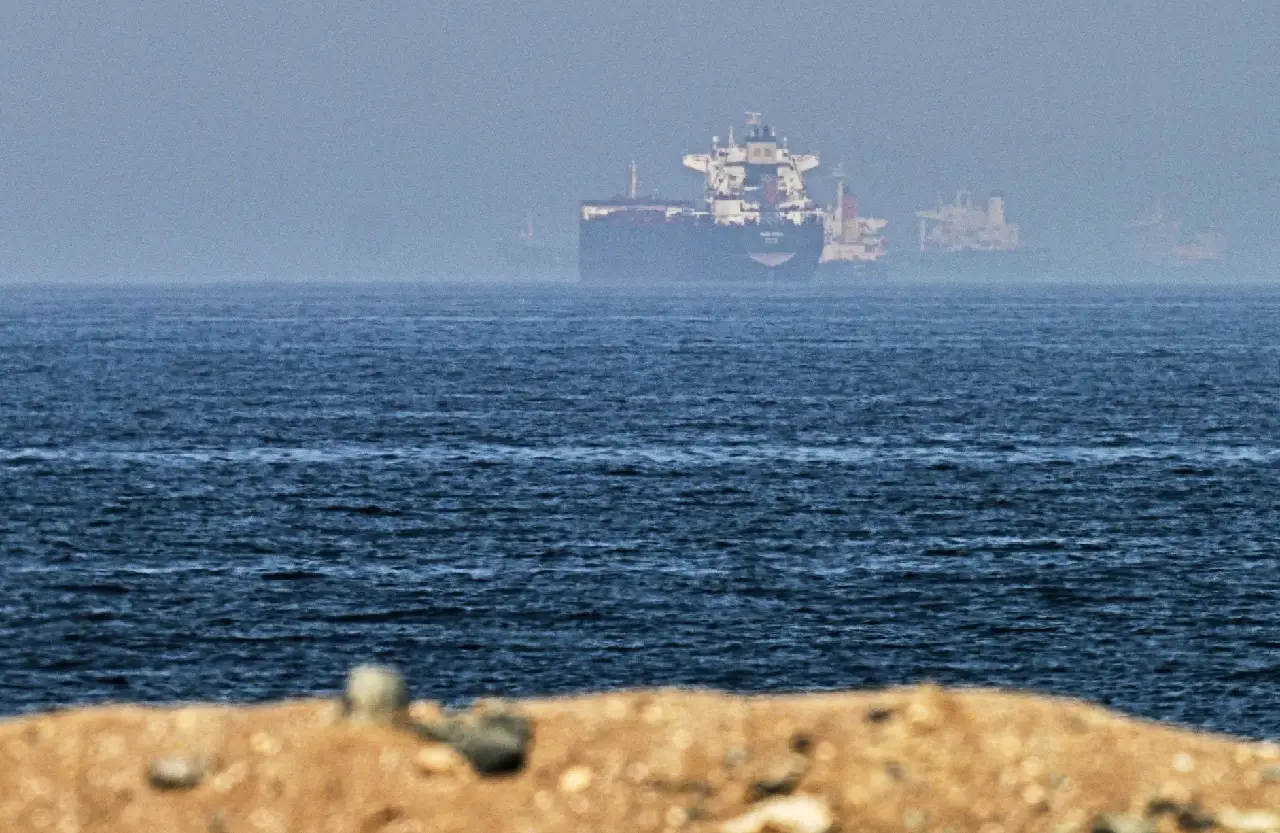
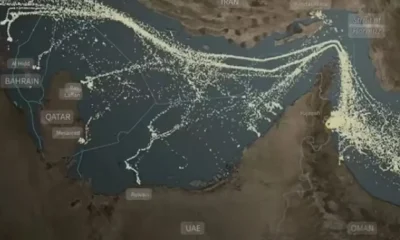
Abu Dhabi National Oil Company (ADNOC) is among the oil and gas companies targeted by an alleged Iranian missile attack as they were crossing the Strait of Hormuz, the GCC has strongly condemned the assault.
Such acts of violence are an unacceptable escalation and are a threat to international free navigation, energy supplies and international trade on one of the world’s most strategically valuable waterways, said a spokesman for the Secretary General of the GCC, Dr. Jasem Mohamed Albudaiwi.
Strait of Hormuz at the Centre of the Crisis
The Strait of Hormuz is a strategic channel linking the Arabian Gulf with the sea, playing a vital role in global energy trade. A disruption in trade in the passage would have impacts far beyond the Gulf region.
This reported targeting of the vehicle associated with ADNOC has therefore raised concerns regarding maritime security and potential impact on oil and gas markets with the escalating regional tensions. There has been a strong push in the Gulf governments to ensure the safety of commercial shipping.
UAE Receives GCC Solidarity
The GCC member countries have expressed their solidarity with the UAE after the incident was reported. Saudi Arabia, Qatar, Bahrain, Kuwait and Oman have highlighted the need to safeguard sea lanes and freedom of navigation.
Qatar has also announced in its own statement that the uninterrupted movementing of shipping lines through the Strait of Hormuz is vital to local and international trade. The combined answer indicates that the Gulf of Cooperation is worried about attacks on commercial vessels expanding to present an increased security and economic threat.
International Law and Maritime Security
The GCC also has requested international measures to ensure safe passage through the waterway and the protection of the civilian mariners.
The GCC states have called on the International community and pertinent International institutions to assist their efforts to safeguard navigation and stop further attacks against commercial shipping.
What the Escalation Could Mean for Energy Markets?
A continuing escalation of the situation in the Strait of Hormuz could exacerbate uncertainty among energy traders, shipping firms, from shipping insurers to global consumers. Increased transportation and insurance expenses may result even if there is no ongoing closure.
The ability to continue to execute reliable supply routes is of economic and strategic importance to Gulf energy producers. The new escalating conflicts may only drive the need for more security in the maritime transportation sector as well as for alternative infrastructure with possible capabilities to handle energy flows in times of disruption.
FAQs
Why is the Strait of Hormuz important?
The Strait of Hormuz is an important international navigable waterway used to transport energy resources from the Arabian Gulf to the markets.
Will the incident have any impact on energy prices worldwide?
Yes. Staggering or a greater risk of disruptions or insecurity in the Strait may impact shipping, insurance, supply forecasting, and, in extreme cases, world energy prices.
Don’t Miss These Stories
Want to Escape the Gulf Heat?
Explore the ultimate GCC road trip to Abha and Al-Soudah.
Curious About the Canada–UAE Trade Deal?
See how the agreement could boost trade and investment between the two countries.
Interested in Doha’s Eco-Art Scene?
Discover five local upcycling initiatives reshaping Qatar’s creative community.
Looking for Something New to Watch on Netflix UAE?
Explore the latest movies and shows streaming this week.
Looking for Oman Purple Saturday Discounts?
Check the complete list of stores offering discounts for persons with disabilities in 2026.






10 Best Places to Visit in Kuwait for First-Time Tourists on a Low-Cost Budget

Sheikh Mohammed Urges Leaders to Embrace Change, Empower People

Planning Your Long Weekend: Top Events and Getaways for the 2026 UAE National Day Break

EF Qatar Announces Three New Initiatives on Engineers’ Day

Kuwait Crown Prince Begins Official Visit to Switzerland After UNGA

Morocco Vows Solidarity With Saudi Arabia, King Mohammed VI Says, “Any Attack on Saudi Arabia Is an Attack on Morocco”
-

 Reports1 week ago
Kuwait Expands Global Humanitarian Support With Food, Water and Medical Aid
-
 News1 week ago
Qatar Strengthens Partnership With UN on Global Peace and Development
-
 Entertainment6 days ago
Saudi National Day 2026: 10 Family-Friendly Things to Do
-
 Reports1 week ago
Etihad Rail Launches Fujairah-ICAD Cargo Service to Boost UAE Trade