
News
How the UAE Has Emerged to Help Afghanistan Post the 2025 Earthquake: Massive Relief Operations Plan

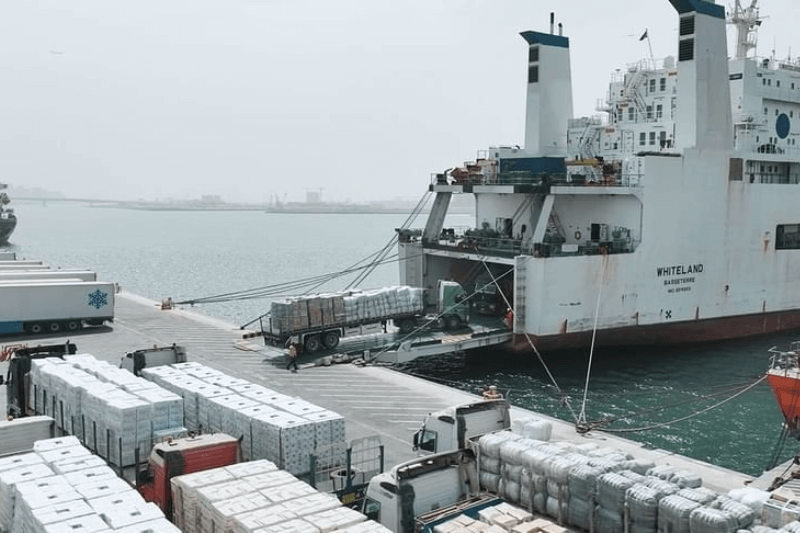
After an earthquake of magnitude 6 shook the eastern part of Afghanistan on August 31, 2025, the United Arab Emirates has embarked on one of the most significant humanitarian responses this year. Following the instructions given by President Sheikh Mohammed bin Zayed Al Nahyan and other leaders of the UAE, the nation has deployed an emergency airlift, huge food and shelter deliveries, and an aid ship containing thousands of tonnes of aid to help tens of thousands of Afghans who were decimated by the quake and aftershocks, as reported in Latest UAE News.
Rapid Humanitarian Response of the UAE
The UAE relief machinery came into action almost immediately after the quake hit remote provinces in eastern Afghanistan. Dubai Humanitarian also arranged an airlift that delivered 84 metric tonnes of medical supplies, shelter equipment, and other necessities worth approximately US$930,000 to help approximately 730,000 individuals who had been impacted by the disaster. Other shipments were already in the air: three planes loaded with 105 tonnes of food and medical supplies were already flying, and the Emirates Red Crescent started delivering aid to the population that was isolated due to broken mountain roads and infrastructure destruction.
The UAE made a significant sea-and-land relief route through Gwadar Port in one of its biggest donations, consisting of 2500 tonnes of supplies of food, shelter, and medical aid materials, which eventually reached the hardest hit regions. Tens of trucks also arrived at the troubled areas like Kunar Province with tents, medicines, and basic household goods to assist the survivors in restoring the simplest of shelter.
The Significance of the Assistance of the UAE
The quake killed over 2,200 people, injured thousands more, and destroyed or grievously damaged over 8,000 houses, leaving many of the people in need of shelter in the face of the coming winter. Inaccessibility of certain communities has necessitated the timely international assistance, particularly that of the UAE.
These relief efforts save lives in the short term, as well as assist in stabilizing the affected populations due to the prevention of additional suffering in the form of exposure, disease, and food insecurity. The mobilization of key resources during an occasion of a natural disaster, in the aspect of mobilization of sufficient resources, can be mirrored in the multi-modal approach that was taken in UAE as a means of mobilizing aerial, marine, and road relief.
The scale of the reaction in the UAE is strengthening its role in the world as a humanitarian, as well as indicating a shift in strategy towards becoming not only a donor in times of crisis, but also a decisive factor in disaster preparedness and resilience. As Afghanistan recovers, the aid will be necessary not only to rebuild the infrastructure but also to help it in severe winters, livelihoods, and other sectors, and not to leave the vulnerable groups behind.


Nobel Prize 2026 Winners Full List Categories and Achievements

From Abu Dhabi to Brussels: Europe’s Growing Focus on the Muslim Brotherhood and Cross-Border Security

Top 10 Staycations and Overseas Trip Options for UAE Families During Nine Day Half Term School Break

UFC Fight Night Doha Tickets Go on Sale: Guide on Ticket Price, How to Buy Tickets and Attend the Event

Saudi Aviation Authority Confirms 1 Dead, 11 Injured on Sunday Riyadh Airport Attack

UAE Flight Suspensions Extend Across Saudi Arabia
-

 Reports3 days ago
UAE and Saudi Arabia Seek to Strengthen Rail and Infrastructure Integration
-
 Entertainment3 days ago
Lusail Circuit Opens Volunteer Applications for 2026 MotoGP and Formula 1
-
 Reports3 days ago
Kuwait Urges Unified Global Response to Terrorism and Financing
-
 News3 days ago
Trade Deal Talks Concluded Between UAE and Thailand