Reports
GCC Secretary-General Meets Egyptian FM in El Alamein: 4 Key Takeaways

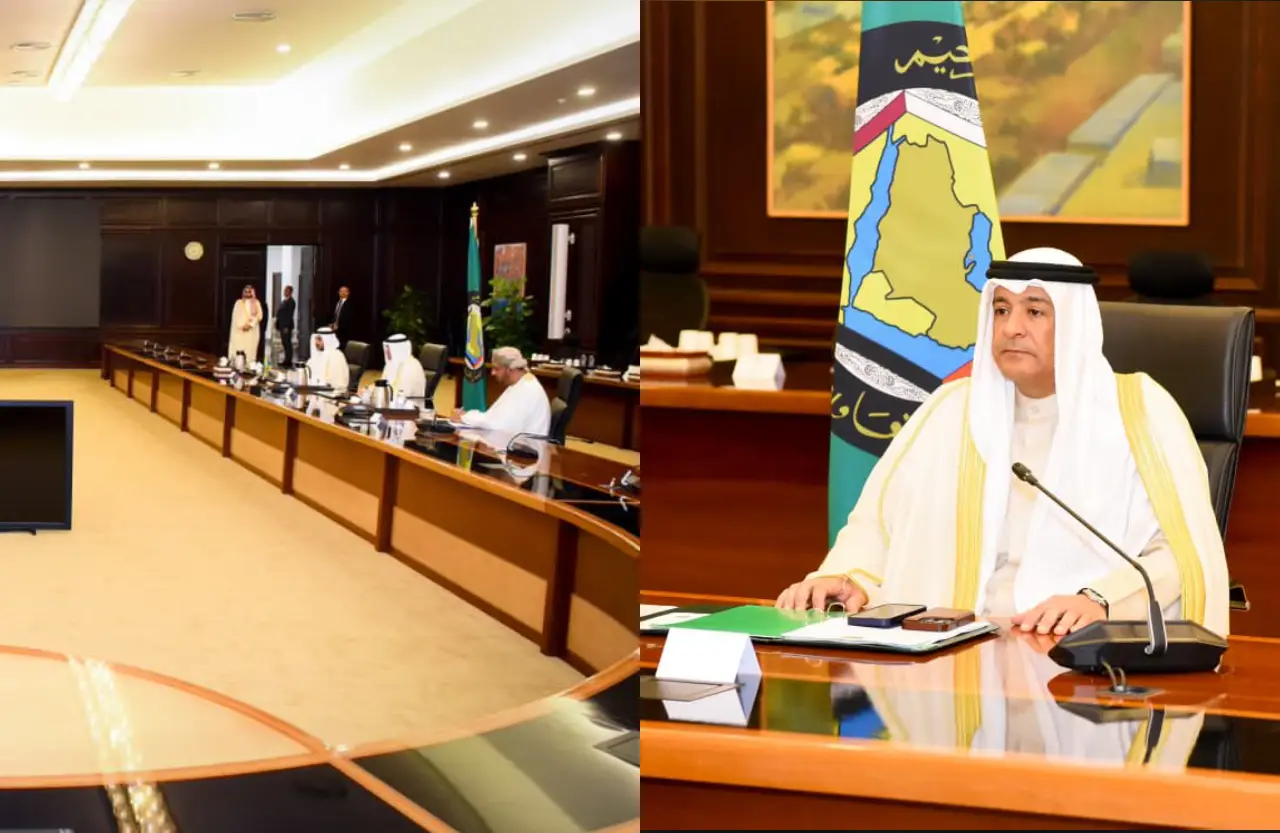
GCC Secretary General, Jasem Mohamed Albudaiwi met Egypt’s Foreign Minister Dr. Badr Abdelatty in El Alamein for high-level talks on regional security, political coordination and economic cooperation. The meeting focused on the need for greater coordinated action between Egypt and the GCC.
The negotiations are topical as there is ongoing geopolitical uncertainty and economic turmoil in the Middle East. Both sides stressed dialogue, collective security and strengthening institutional cooperation as important tools to overcome the problems of the region.
1. Egypt Reaffirms Its Commitment to Gulf Security
The meeting emphasized that one of the most important messages that the meeting puts is that the security of member states of the GCC is closely linked to Egypt’s national security.
Abdelatty stressed Cairo’s opposition to foreign aggression against GCC territories. Egypt, meanwhile, welcomed the continued support from Gulf countries to ensure stability and security in the region, Albudaiwi added.
This role strengthens the historic and enduring cooperation between Egypt and the GCC countries, in the defense and security area and the management of regional stability.
2. Cairo and GCC Push for Regional De-Escalation
The two officials also spoke about the current conflicts and tensions swirling around in the Middle East. Both called for solving all issues through diplomacy and dialogue and through international legal processes.
Cairo and the GCC Secretariat agreed to the need for continued close communication, avoiding regional crises from spreading to military conflicts affecting the entire region.
In an era of Gulf and Arab diplomatic attempts to deal with security issues that overlap, this coordination will become more and more significant.
3. GCC-Egypt Joint Action Plan Moves Forward
The meeting also discussed the progress on the GCC-Egypt Joint Action Plan 2024–2028. Leveled political talks between Egypt and the GCC are followed by a structured cooperation mechanism, which is established in the framework coordination.
Its interaction does not just cover the political and security field but also the legislative, educational, cultural and institutional realm.
If the plan persisted, the relationship could be more stabilized and structured, so both sides could organize their own policies in various fields.
4. Gulf Investment in Egypt Remains a Priority
An important aspect of the negotiations was economic cooperation. Both sides expressed the importance of continued cooperation in the GCC-Egyptian Investment Forum as a forum for linking Egyptian opportunities with the investments of the GCC.
Considered possible priority sectors are renewable energy, green hydrogen, petrochemicals, industrial logistics, artificial intelligence, pharmaceuticals and the entire digital economy.
In Egypt, increased investments in the Gulf can help upgrade infrastructure and promote economic development, and for the current conditions, the Gulf investors have the access to the largest consumer and industrial power in the Gulf.
What the Meeting Means for GCC-Egypt Relations?
GCC-Egypt relations are becoming an ever more complex mix of security coordination and economic and institutional partnerships, as shown at El Alamein. Both are looking to improve the alignment while preserving diplomacy as the preferred practice in the face of instability in the region.
When Cairo joins with the GCC, that partnership may grow more important not only for Cairo’s security but for investment traffic as well in the future, as the Joint Action Plan pushes forward to 2028.
FAQs
What was the purpose of the meeting?
The dialogue was centred on Gulf security, de-escalation in the region, transitioning towards the GCC-Egypt Joint Action Plan and the ongoing development of economic cooperation.
What is the GCC-Egypt Joint Action Plan?
The Joint Action Plan (JAP) for 2024–2028 is a programmatic document for reinforcing collaboration between Egypt and the GCC countries in political, legislative, education, cultural and other fields.
Which sectors of investments were emphasized?
Possible fields of activity covered include renewable power, green hydrogen, petrochemicals, logistics, artificial intelligence, pharmaceuticals and the digital economy.
Don’t Miss These Stories
What’s Driving UAE Economic Growth?
Explore how IMF projections highlight the UAE’s strong expansion and regional leadership in the coming year.
Why Is UAE Leading MENA Growth Rankings?
Discover the key factors behind the UAE’s top GDP growth position across the Middle East and North Africa.
How Is Oman Showing Economic Resilience?
Check how Oman’s economy continues to stay stable and resilient despite global financial uncertainties.
Will UAE Banks See Lending Boom?
Explore why UAE banks are expected to witness significant lending growth and financial sector strength.
How Can Expats Manage Money in Dubai?
Discover smart personal finance strategies that help expats save, invest, and thrive in Dubai.






Nobel Prize 2026 Winners Full List Categories and Achievements

From Abu Dhabi to Brussels: Europe’s Growing Focus on the Muslim Brotherhood and Cross-Border Security

Top 10 Staycations and Overseas Trip Options for UAE Families During Nine Day Half Term School Break

UFC Fight Night Doha Tickets Go on Sale: Guide on Ticket Price, How to Buy Tickets and Attend the Event

Saudi Aviation Authority Confirms 1 Dead, 11 Injured on Sunday Riyadh Airport Attack

UAE Flight Suspensions Extend Across Saudi Arabia
-

 Reports3 days ago
UAE and Saudi Arabia Seek to Strengthen Rail and Infrastructure Integration
-
 Entertainment3 days ago
Lusail Circuit Opens Volunteer Applications for 2026 MotoGP and Formula 1
-
 Reports3 days ago
Kuwait Urges Unified Global Response to Terrorism and Financing
-
 News3 days ago
Trade Deal Talks Concluded Between UAE and Thailand