Top Stories
Climate Action as an Opportunity for Innovation in the Gulf

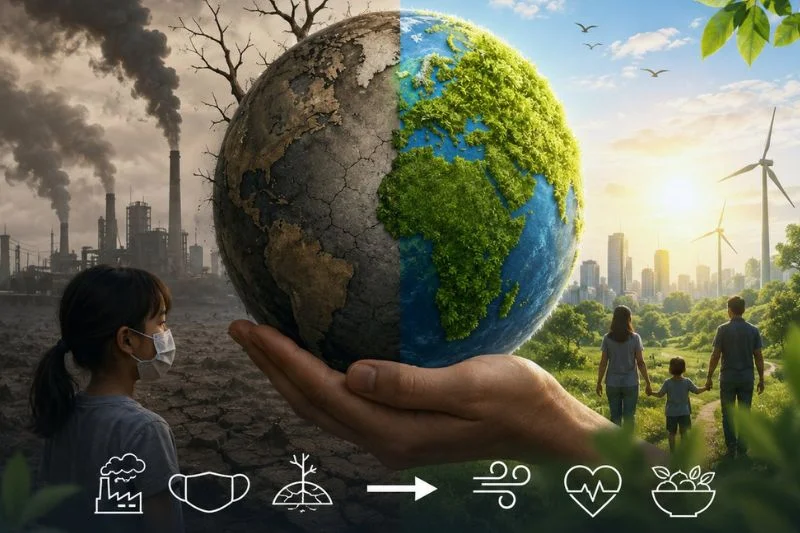
Climate action is rapidly becoming one of the biggest drivers of innovation across the GCC. In contrast to this, countries like Saudi Arabia, the UAE, Qatar, Oman, Bahrain and Kuwait are taking a proactive stance on addressing environmental issues, with a clear focus on investing in sustainable technologies, clean energy projects, and smart infrastructure solutions for a more sustainable future.
Thanks to national strategies and green solutions with a goal of becoming net-zero, the region is emerging as a global leader in renewable energy, green hydrogen, climate tech and smart cities. Along with this transition, investors, start-ups, and trained talent are getting new chances as well.
Renewable Energy Leading the Transition
Today, some of the most cost-effective solar energy ventures are in the Gulf. An increase in cost-effective renewable energy generation by mega solar projects like Dubai’s Mohammed bin Rashid Al Maktoum Solar Park and Saudi Arabia’s Sudair and Al Shuaibah solar developments is making electricity from renewable sources commercially viable.
The production of green hydrogen and clean ammonia using low-cost renewable power is also driving the GCC countries’ future transition to become exporters of low-carbon fuels to Europe and Asia.
Green Hydrogen and Clean Fuel Exports
Green Hydrogen has become one of the largest investments being made in the region. The NEOM Green Hydrogen Project and massive opportunities for hydrogen production in Oman and Qatar are expected to deliver clean fuels to the global market and create less reliance on fossil fuel exports for their countries.
The projects take advantage of the energy potential inherent to the sun and its generous supply in the Gulf, and use the strategic ports and energy infrastructure that already exists to further solidify the position of the Gulf as a leader in the global clean energy economy.
Carbon capture and Climate Technology.
Major energy companies, including Aramco, ADNOC and QatarEnergy, are deploying Carbon Capture, Utilisation and Storage (CCUS) technologies to lower emissions from various industries, including steel, cement and petrochemicals.
Industries are also making strides in efficiency through research in Direct Air Capture (DAC), artificial intelligence, and advanced industrial processes as part of the solutions to aid their national sustainability goals.
Water Security and Desert Agriculture
Despite being one of the gulf’s greatest environmental issues, water scarcity is also inspiring innovation. Investments by governments in solar powered desalination, production and recovery of minerals from brines, hydroponics and vertical farming are intended to enhance food and water security.
These technologies are particularly suited to dry environments, and expand agriculture’s water use footprint.
Smart Cities and Sustainable Infrastructure
NEOM, Red Sea Global, Masdar City and Diriyah are large developments that are being used as a real-life laboratory for sustainable urban development. This project combines renewable energy, smart grids, transportation of the future, green construction and efficient cooling.
In addition, the region is being helped by sovereign wealth funds to diversify its economies away from oil and gas and towards local manufacturing of electric vehicles, batteries and renewable energy equipment.
GCC Climate Targets
Shaping ambitions that are measurable nationally:
- Saudi Arabia: wireless electricity source with 50% of renewables by 2030 and reach ‘net-zero’ emissions by 2060.
- United Arab Emirates: Through its Energy Strategy and investments in clean energy worldwide. By achieving an economy free of carbon emissions by 2050, and through investments in clean energy around the globe.
- Oman: Oman is a country looking ahead towards reaching net zero by 2050, significantly focusing on the production of ‘green hydrogen‘.
- Qatar: 30% carbon emissions reduction by 2030, achieved via better energy and industry efficiency.
- Bahrain and Kuwait: Supporting the increased development of renewable energy and energy efficiency projects in their long-term climate plans.
Conclusion
Climate change is transforming the economy of the Gulf. New industries are emerging in renewable energy, climate technology, sustainable cities and industrial innovation which are enhancing environmental resilience. The GCC is taking the lead in sustainable development and clean technology as nations around the world implement Vision 2030 and other national development plans.
Explore More Must-Reads
What Drives Vision 2030 EV Growth?
Explore how electric vehicles are shaping a greener GCC future under Saudi Arabia’s Vision 2030 initiatives.
Which Mega Projects Lead Vision 2030?
Discover the most ambitious mega projects transforming Saudi Arabia’s landscape and economy.
How Budget 2026 Supports Vision 2030?
Check how Saudi Arabia’s 2026 budget fuels growth and revenue under Vision 2030 plans.
How Vision 2030 Changes Gulf Jobs?
Explore how Vision 2030 is reshaping job markets and career opportunities across the Gulf region.
What Defines Riyadh’s Vision 2030 Lifestyle?
Discover how urban development is transforming lifestyle and living standards in Riyadh.


Kuwait and Saudi Arabia Lead Six Teams into ICC Men’s T20 World Cup 2028 Regional Final

UAE Launches ‘100 Dreams’ Initiative to Help Entrepreneurs Turn Ideas into Businesses

Riyadh Strikes Test the Strength of the Mecca Pact

Qatar T100 Kick Off Run Returns for 2026: Everything Runners Need to Know

New Dubai Shared Housing Rules Could Improve Living Conditions for Low-Income Workers

Iraq PM Denounces Houthi Strikes on Saudi Arabia in Talks with Crown Prince
-

 Entertainment6 days ago
Lusail Circuit Opens Volunteer Applications for 2026 MotoGP and Formula 1
-
 Reports6 days ago
UAE and Saudi Arabia Seek to Strengthen Rail and Infrastructure Integration
-
 Reports6 days ago
Kuwait Urges Unified Global Response to Terrorism and Financing
-
 News6 days ago
Etihad Suspends Riyadh Flights After Houthi Attacks