Top Stories
What to Ensure Before Working in Gulf Industrial Zones? 4 Safety Compliance Rules to Prevent On-Site Accidents

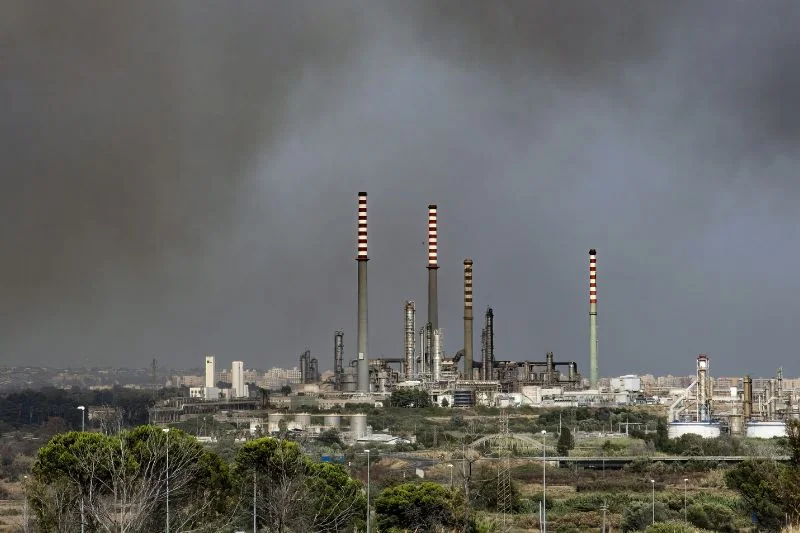
The GCC region is the center of the world’s largest industrial, manufacturing, energy and logistics centers. These facilities are located in Saudi’s Modon industrial cities, Abu Dhabi’s ICAD and Ras Laffan Industrial City in Qatar, all of which work under strict Health, Safety and Environment standards, which are established to safeguard the health and safety of those working in them and ensure operational continuity.
A lack of full compliance in these settings can have serious repercussions, such as injuries on the job, project delays, financial penalties, regulatory shutdowns, and much more. In today’s business environment, safety compliance is more than just a correct answer; it’s a business must if you are a contractor, project manager, or industrial operator.
Organisations must implement the following 4 rules in daily operations prior to their any workforce deployment to industrial sites in the Gulf.
Midday Work Ban and Heat Stress Management
The most distinctive safety rules in the Gulf are the rules mandating that employees not work in the heat of the day during the summer. In countries like the UAE, Saudi Arabia, and Qatar, there are many restrictions on outdoor work at midday.
Outdoor activities are usually discontinued during certain times of the day, typically 3 to 3:30 to 6:00 PM from June through September. The aim is to keep the worker from heat exhaustion, dehydration and heatstroke resulting from very hot desert temperatures.
Shaded resting places, cooling stations, drinking water and electrolyte replacement facilities must be provided by the employer. Environmental heat index like Wet Bulb Globe Temperature or Thermal Work Limit is expected to be used to monitor the environmental conditions throughout the workday. Managing heat properly will greatly lessen the chances of any work-related incidents due to exposure to weather.
Digital Permit-to-Work and Multilingual Safety Training
Communication is one of the most critical factors of all safety issues in industrial projects around the Gulf because they heavily depend on multi-national staff. Under the present safety requirements in the GCC countries, using a simple verbal briefing is no longer enough.
Workers should work under an approved Permit-to-Work system before any activity that may be considered HIRAC is performed. These permits facilitate the identification of hazards, risk assessment and control measures.
Language of instruction for job/task safety inductions, emergency procedures, hazard maps, and toolbox talks should be in Arabic, English, Hindi, Urdu, small language, Bengali, Malayalam and Tagalog.
Working at Height and Certified Scaffolding Requirements
Falls continue to be a major source of severe injuries in workplaces involved in industrial and construction activities. Emergence of working at height regulations in the Gulf therefore is very stringent.
Safety controls are normally required when personnel are operating above 1.8 metres from ground level. All work performed must be conducted with an approved personal fall arrest system such as a full-body harness, shock absorbing lanyards and certified anchor points.
Scaffolding structures, structures above scaffolding and structures impeding the use of scaffolding, must be checked and safe by qualified inspectors. The ongoing implementation of these measures greatly minimises fall accident risks and adherence to regional safety frameworks.
LOTO and Hazardous Energy Isolation
Many types of industrial equipment, electrical systems, pipelines and manufacturing equipment are sources of hazardous energy. Unless proper isolation procedures are in place, maintenance can cause serious injury or death.
Lock-Out Tag-Out (LOTO) procedures have been required in many industrial facilities in the GCC region. All energy is to be isolated, locked and suitably tagged before any maintenance, cleaning or repair work is carried out.
Locks and warning tags are applied uniquely to workers to help ensure equipment is not accidentally re-energized. An energy zero verification process should be conducted prior to maintenance. The lock is only to be removed after work has been completed by the employee who installed the lock. This process helps to prevent accidental activation of equipment and helps to keep maintenance staff safe.
FAQs
Why is work during midday hours banned in a Gulf nation?
The midday work ban is in place to guard workers from the hottest times of the day, to reduce the risk of heat-related illness like heatstroke and dehydration.
What is a Permit-to-Work (PTW) system?
Permit to work system is a formal safety procedure that allows specific work tasks to be safely conducted once hazards have been identified and controls implemented.
In which industrial areas in GCC does fall protection need to be used?
Workers are usually only required to wear fall protection when more than 1.8 metres off the ground above a lower level, but this may vary according to site-specific conditions.
Stay In The Loop
What’s Driving UAE Economic Growth?
Explore how IMF projections highlight the UAE’s strong expansion and regional leadership in the coming year.
Why Is UAE Leading MENA Growth Rankings?
Discover the key factors behind the UAE’s top GDP growth position across the Middle East and North Africa.
How Is Oman Showing Economic Resilience?
Check how Oman’s economy continues to stay stable and resilient despite global financial uncertainties.
Will UAE Banks See Lending Boom?
Explore why UAE banks are expected to witness significant lending growth and financial sector strength.
How Can Expats Manage Money in Dubai?
Discover smart personal finance strategies that help expats save, invest, and thrive in Dubai.


Nobel Prize 2026 Winners Full List Categories and Achievements

From Abu Dhabi to Brussels: Europe’s Growing Focus on the Muslim Brotherhood and Cross-Border Security

Top 10 Staycations and Overseas Trip Options for UAE Families During Nine Day Half Term School Break

UFC Fight Night Doha Tickets Go on Sale: Guide on Ticket Price, How to Buy Tickets and Attend the Event

Saudi Aviation Authority Confirms 1 Dead, 11 Injured on Sunday Riyadh Airport Attack

UAE Flight Suspensions Extend Across Saudi Arabia
-

 Entertainment3 days ago
Lusail Circuit Opens Volunteer Applications for 2026 MotoGP and Formula 1
-
 Reports3 days ago
UAE and Saudi Arabia Seek to Strengthen Rail and Infrastructure Integration
-
 Reports3 days ago
Kuwait Urges Unified Global Response to Terrorism and Financing
-
 News3 days ago
Trade Deal Talks Concluded Between UAE and Thailand