
News
Are Expat Remittances Dropping? How to Avoid High Exchange Fees When Sending Money Home From the Gulf

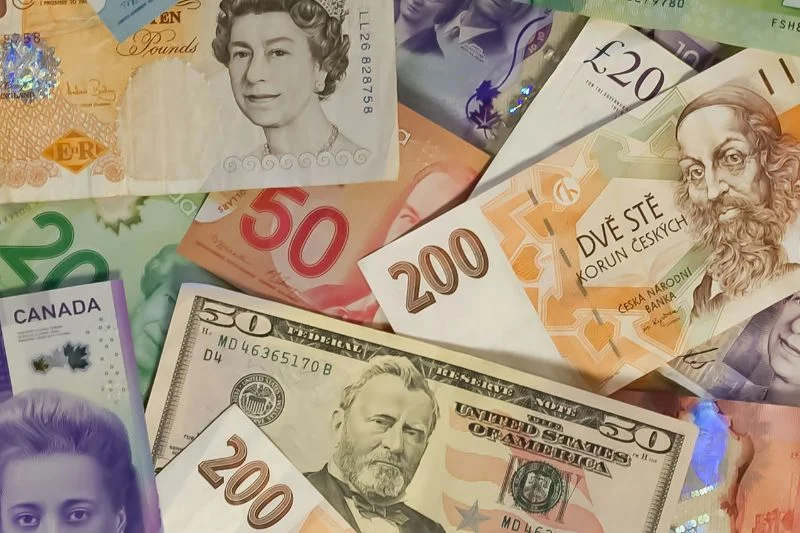
Remittances from the Gulf nations simply appear to be holding up well against the continued regional slowdown in growth and shifting economic conditions. Based on international financial statistics, the Gulf Cooperation Council remains one of the biggest corridors in the world, as billions of dollars cross borders to various Asian, African and other nations on an annual basis.
India has the largest share of remittance inflows from GCC countries, with the outflows exceeding $56 billion, accounting for almost half of the total remittance inflows into India. However, these statistics indicate that migrant labourers are still contributing significantly to their family’s living standards back home, at historic levels.
Rise of Digital Remittances Across the GCC
Further the most significant evolution over the past few years has been the move away from having cash counters and exchange houses and towards having only digital transfer houses. Now, about 72% of remittance transactions in the Gulf are made via mobile apps, fintech platforms and digital wallets.
Digital transfers contributed less than 50% of remittances only a couple of years ago. Disruptive technology such as mobile payments, the quick timeframe of smartphone adoption and other impressive financial technology choices have motivated staff members to branch out and opt for instant digital transfers instead.
While this change has made things convenient and faster for the customer, there are still many that neglect the hidden costs that can make a huge difference in how much their families get.
Real Cost of Sending Money Home
A lot of expatriates only see the outward facing fee and consider that to be the only fee. It’s an important fee, but not an overly significant one.
The spread is the larger cost typically, originating from the exchange rate which is a difference that exists between the rates of two currency denominations. The disparity between the actual exchange rate between banks and the exchange rate provided by banks or transfer service providers.
For instance, the market rate for a particular destination is UAE dirham to INR 22.70, but a provider can provide only 22.45 INR. It may seem insignificant, but can lead to an unshowy mark-up of more than 1%. This could result in loss of AED 60 or upwards on a transfer of AED 5,000 and not know it.
Which Gulf Countries Offer the Cheapest Transfers?
The UAE is still one of the top competitive remittance markets in the world. Average total fee is among the lowest in the area, and has been exposed to low pricing by strong fintech competition.
Other countries like Qatar and Oman are relatively efficient transfer corridor countries while Saudi Arabia and Kuwait present slightly higher overall cost. The disparity can stem from the local banking system, level of competition or exchange-rate mark-ups by services offered.
If you send money to your employees often, then any savings you can on transfer fees can add up to a lot of money a year later.
How to Reduce Exchange Fees and Keep More of Your Money?
Traditional bank branches and exchange houses that deal with cash transactions are the first component that needs to be phased out. These institutions are expensive to run and make remittance a costly affair. These institutions generally tend to have larger spreads on exchange rates to offset the higher expense structure they will have.
Digital money transfer operators and fintech apps typically offer much better exchange rates. Some even have promotional periods around certain dates of your month’s salary, such as those without transfer fees.
Leveraging local fintech platforms that have been licensed locally can also prove to be good for efficiency. Similar services like LuLu Money, e& money and Botim have created direct integration with international payment networks in the UAE. The same solutions have been implemented in other GCC markets, Saudi Arabia and Qatar, providing users with the ability to move money quicker and cheaper.
Timing Your Transfers Can Save Money
One piece of advice that seems to be missed is sending when it’s the right time to send money. Salaries are paid at important times and during these critical times the remittance market is usually the most competitive.
In this timeframe, lots of digital carriers launch fee waivers and special exchange-rate promotions to draw in consumers. So when most expats get paid, their money is sent quickly and so the fintech firms are competing fiercely for the market.
By keeping an eye on these transfer can offerings, workers can ensure that they aren’t taking unnecessarily charged moves and are getting the most benefit out of every move.
FAQs
Is the inflow of remittances from the gulf slowing down?
No. Remittance volumes are overall strong, with significant volumes through the major corridors which involve GCC countries and India.
Why are Digital Remittance Apps getting popular?
Digital apps have superior transfer speeds, competitive exchange rates, lower fees and are more convenient than regular exchange houses or banks.
What can I do to help save on remittance fees?
Using digital transfer platforms, examining exchange rates, steering clear of conventional bank wires, and leveraging promotional periods by fintech companies may help cut back on costs.
Stay In The Loop
What’s Driving UAE Economic Growth?
Explore how IMF projections highlight the UAE’s strong expansion and regional leadership in the coming year.
Why Is UAE Leading MENA Growth Rankings?
Discover the key factors behind the UAE’s top GDP growth position across the Middle East and North Africa.
How Is Oman Showing Economic Resilience?
Check how Oman’s economy continues to stay stable and resilient despite global financial uncertainties.
Will UAE Banks See Lending Boom?
Explore why UAE banks are expected to witness significant lending growth and financial sector strength.
How Can Expats Manage Money in Dubai?
Discover smart personal finance strategies that help expats save, invest, and thrive in Dubai.


Nobel Prize 2026 Winners Full List Categories and Achievements

From Abu Dhabi to Brussels: Europe’s Growing Focus on the Muslim Brotherhood and Cross-Border Security

Top 10 Staycations and Overseas Trip Options for UAE Families During Nine Day Half Term School Break

UFC Fight Night Doha Tickets Go on Sale: Guide on Ticket Price, How to Buy Tickets and Attend the Event

Saudi Aviation Authority Confirms 1 Dead, 11 Injured on Sunday Riyadh Airport Attack

UAE Flight Suspensions Extend Across Saudi Arabia
-

 Reports3 days ago
UAE and Saudi Arabia Seek to Strengthen Rail and Infrastructure Integration
-
 Entertainment3 days ago
Lusail Circuit Opens Volunteer Applications for 2026 MotoGP and Formula 1
-
 Reports3 days ago
Kuwait Urges Unified Global Response to Terrorism and Financing
-
 News3 days ago
Trade Deal Talks Concluded Between UAE and Thailand