
News
WHO Hantavirus Alert Explained: Symptoms, Transmission Risks and How Gulf Travelers Can Stay Safe

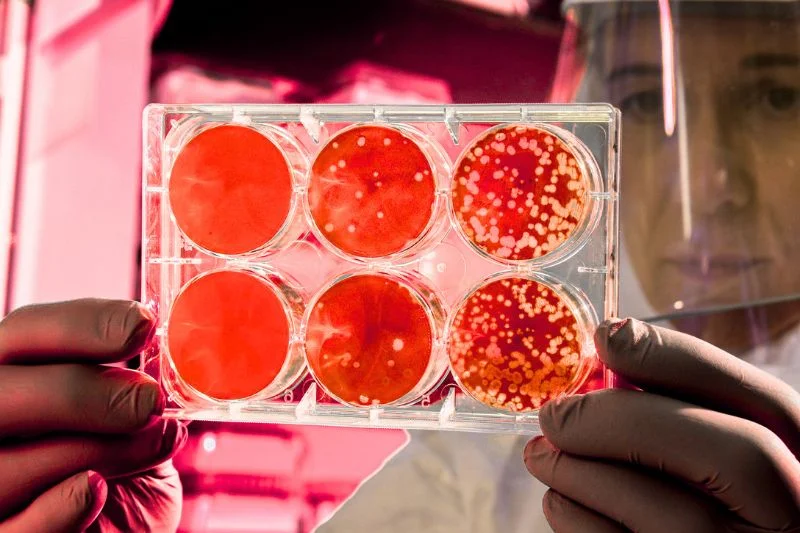
Attention has been drawn to hantavirus as it was observed across the globe in the recent May 2026 alert issued by the World Health Organization (WHO) following a group of hantavirus causes associated with a trip to one of the South American countries. There were seven confirmed and suspected infections on a ship that just set off from Argentina, health officials say.
The whole public risk is still low, but the incident has brought concerns that adventurous holidaymakers planning trips in the coming months to rural, endemic areas in South America, Europe or Asia on the Gulf have been warned.
What is Hantavirus?
Hantavirus is a rare, but sometimes deadly virus associated primarily with rodents, particularly mice and rats. Rodents typically do not get sick from the virus, but people can seriously get sick if they come into contact with the urine, saliva or feces of infected rodents.
There are several different strains of hantavirus that range from causing severe respiratory disease to kidney disease. Mortality rate may be as high as 40% or higher in some cases, highly often if early signs are not taken seriously, or treatment delayed.
Symptoms Travelers Should Never Ignore
A major worry with hantavirus is that early signs and symptoms are similar to flu virus or COVID-19. This can complicate the early diagnosis of many travelers who come back from affected areas.
Most symptoms noted at the onset of disease occur during the first one to eight weeks post-exposure, and usually include fever, weakness or fatigue, headache, dizziness and marked muscle pain, particularly in thighs, hips and back. Another common problem in the early stage is nausea and chills.
Symptoms can rapidly become life threatening as the disease progresses. Lungs start filling with fluid and patients may within 4-10 days experience coughing, chest tightness and a profound inability to breathe. The disease is called Hantavirus Pulmonary Syndrome (HPS) and hospitalization for intensive treatment is usually necessary.
Don’t Miss These Stories
What are smart expat saving tips?
Explore practical money-saving strategies that help expats reduce daily expenses and survive rising costs in Gulf countries.
Why are Gulf workers facing rising costs?
Discover how increasing living expenses are impacting South Asian workers and reshaping financial stability across the Gulf.
Which GCC country is cheapest now?
Check out the most affordable GCC destination where expats can enjoy a lower cost of living without compromising lifestyle.
Where are budget-friendly GCC cities located?
Explore the top cities offering affordable living options for Indian and Asian expats across the Gulf region.
How is global inflation affecting Gulf life?
Discover how rising global inflation is influencing everyday expenses and reshaping expat lifestyles in the Gulf.
How Does Hantavirus Spread?
Infection occurs mainly through inhaling virus particles that are shed from rodent saliva, droppings or urine. This typically occurs in an environment of dust and/or poor air exchange with the presence of rodents.
Exposures can be high where abandoned cabins are being cleaned, storage rooms are opened up and unused, camping in rural areas or sleeping in cabins with rodent infestation and abandonment. The investigators conclude that the infections were likely possible on land tours and not directly on the ship.
Some strains have been known to spread from person to person, albeit sparingly, such as within the Americas with the Andes strain. However, that’s an extreme level of proximity and not seen as a significant potential public risk.
Safety Tips for Gulf Travelers in 2026
Travel measures are being recommended by the health authorities, but they’re urging travellers from the Gulf to exercise additional caution when venturing off the beaten path to their rural and wilderness locations. Do not touch or kill rodents; do not touch dead rodents or don’t process a rodent nest unless protected.
Ventilate the area first when entering a dusty cabin, tent or storage area, then do not dry sweep or vacuum. However, experts are suggesting that contaminated surfaces should be sprayed with bleach and water prior to cleaning and that gloves and masks be worn.
It is also important for travelers to protect food from mice access even though they are packed in rat proof boxes and take immediate medical attention in case the traveler develops fever or difficulty in breathing after visiting the high risk areas. Information about possible exposure to rodents can help expedite diagnosis and treatment of the disease.
FAQs
Can hantavirus be spread from person to person?
Most hantavirus strains are not easily spread between humans. Some strains of the virus have been seen to spread from one human to another, but this has happened rarely in the Americas.
Is there a treatment for hantavirus infection?
No specific antiviral drugs or vaccine for hantavirus are available today. As soon as he or she receives medical care as well as ICU support, the chances of survival improve considerably.
Should cruise ships be considered hazardous for danger of hantavirus transmission?
It is thought that most infections happen during trips to rural communities and not as a consequence of direct on-board exposure with others.


Nobel Prize 2026 Winners Full List Categories and Achievements

From Abu Dhabi to Brussels: Europe’s Growing Focus on the Muslim Brotherhood and Cross-Border Security

Top 10 Staycations and Overseas Trip Options for UAE Families During Nine Day Half Term School Break

UFC Fight Night Doha Tickets Go on Sale: Guide on Ticket Price, How to Buy Tickets and Attend the Event

Saudi Aviation Authority Confirms 1 Dead, 11 Injured on Sunday Riyadh Airport Attack

UAE Flight Suspensions Extend Across Saudi Arabia
-

 Reports3 days ago
UAE and Saudi Arabia Seek to Strengthen Rail and Infrastructure Integration
-
 Entertainment3 days ago
Lusail Circuit Opens Volunteer Applications for 2026 MotoGP and Formula 1
-
 Reports3 days ago
Kuwait Urges Unified Global Response to Terrorism and Financing
-
 News3 days ago
Trade Deal Talks Concluded Between UAE and Thailand