News
No More Bucket Washes! How Saudi Arabia’s New Water-Saving Rule Changes Your Weekly Car Clean


Saudi Arabia is formally closing a long-standing tradition among drivers of their old-fashioned bucket and sponges car wash. By April 2026, the government has started to implement new guidelines that will eliminate the use of manual car wash in the fuel stations and service centers within the Kingdom. The relocation is in line with the greater Saudi Vision 2030 sustainability objectives, which targets to both preserve water and streamline daily services.
This change concerns not only convenience but also reflects a more fundamental pressing need to solve the lack of water and environmental sustainability. As demand increases and natural water resources become scarcer, Saudi Arabia is driving industries and consumers towards smarter, more efficient practices. One of the daily routines of millions of people, car washing has entered this transformation.
Manualizing Fuel Station car washing
With the new rule, the fuel station manual car washing services are being slowly phased out. Operators that are already in operation can only operate to the expiry of their licenses. As soon as they become renewable they will need to be shifted to the automated and water efficient systems in order to stay running.
This implies that we shall soon not see the common scene of people washing vehicles using hose and buckets at the petrol stations. Rather, drivers will turn to the new automated facilities more and more built to adhere to the high requirements of the environment without compromising on the efficiency of the task of the services.
Why did Saudi Arabia implement this new guideline?
Water conservation is the key motivator to this decision. Washing using manual techniques is characterized by high consumption of water, which may tend to flow on continuously without control or recycling. Conversely, automated systems employ the exact volume of water and they have recycling technologies that bring about minimal waste.
Such environmentally-friendly systems have the potential to conserve thousands of liters of water per day, making a significant decrease when multiplied across the nation. The project contributes towards the long term sustainability of the Kingdom, and is part of an international inclination in resource-efficient urban living.
More Prompt and Cleaner Cleaning
Speed and convenience will be the most intuitive modification to the consumers. Manual washing may require 20 to 30 minutes, automated systems accomplish it in 3 to 5 minutes. This is especially handy in the congested towns and cities where time is of the essence.
The current car wash machines also provide a steady clean through sensors and programmed cycles. Some drivers may fear missing spots, still such systems will have uniform coverage and thus will decrease variability common with manual wash.
Mobile Car Wash Services
It is worth mentioning that currently, the ban is limited to service centers and fuel stations. Standalone detailing facilities can continue to perform manual washing, though they must ensure that they adhere to water laws like appropriate drainage and water treatment measures.
In the meantime, there is an increase in the popularity of mobile car wash services. Such services are regularly water saving or waterless cleaning products that balance between people who demand the personal approach to cleaning and still remain environmentally friendly in terms of construction.
Explore More Must-Reads
What Drives Vision 2030 EV Growth?
Explore how electric vehicles are shaping a greener GCC future under Saudi Arabia’s Vision 2030 initiatives.
Which Mega Projects Lead Vision 2030?
Discover the most ambitious mega projects transforming Saudi Arabia’s landscape and economy.
How Budget 2026 Supports Vision 2030?
Check how Saudi Arabia’s 2026 budget fuels growth and revenue under Vision 2030 plans.
How Vision 2030 Changes Gulf Jobs?
Explore how Vision 2030 is reshaping job markets and career opportunities across the Gulf region.
What Defines Riyadh’s Vision 2030 Lifestyle?
Discover how urban development is transforming lifestyle and living standards in Riyadh.
Changing Lifestyle for Saudi Drivers
This measure is a great lifestyle change for the residents. Car washing has ceased to be a mere routine task; it is now a regulated and environmentally-responsible endeavor. With the increased deployment of automated facilities, drivers will have to learn to accommodate new systems and demands.
This change should lead to better quality of services, environmental reduction and the greater sustainability of the Kingdom in the long run. It’s a little yet significant move to an efficient more resource-friendly future.
FAQs
1. Does Saudi Arabia ban manual car washes?
Phasing out of manual car washes is being done at fuel stations and service centers. They still may be independent facilities provided they comply with environmental regulations.
2. Why is Saudi Arabia prohibiting bucket car wash?
This is primarily because of the conservation of water. Automated systems are made to minimize the water used, unlike manual washing that makes use of a lot of water.
3. What will be the time of transition?
Transitioning is based on renewal of licenses. Until their licenses expire, existing operators are allowed to operate and then compulsory upgrades to automated systems are necessary.


UAE Flights Today: Latest Cancellations, Delays and Schedule Changes at Major Airports

US Approves Possible Sale of 48 F-35 Fighters to Saudi Arabia

Kuwait Army Chief Joins Paris Meeting on Lebanon’s Security

Dubai Announces New Standards to Improve Workers’ Accommodation

Indian PM Modi and UAE President Sheikh Mohamed Discuss Ways to Deepen Strategic Partnership

Museum Effect: How Abu Dhabi Is Redefining Soft Power?
-

 Entertainment1 week ago
Where to Watch Practical Magic 2 in Dubai and Abu Dhabi: Best Cinema Experiences
-
 News1 week ago
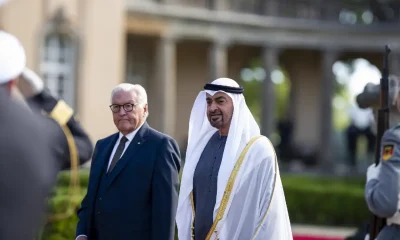
UAE President Welcomed With Official Reception at Villa Borsig in Berlin
-
 Reports1 week ago
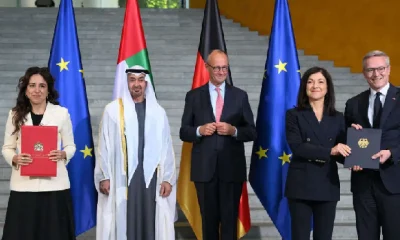
UAE and Germany Launch Strategic Dialogue as New Agreements Are Signed
-
 Reports1 week ago
Saudi FM Faisal bin Farhan Joins International Space Summit in Paris