
News
Kuwait’s New 9-Point Ban on Religious Site Activities

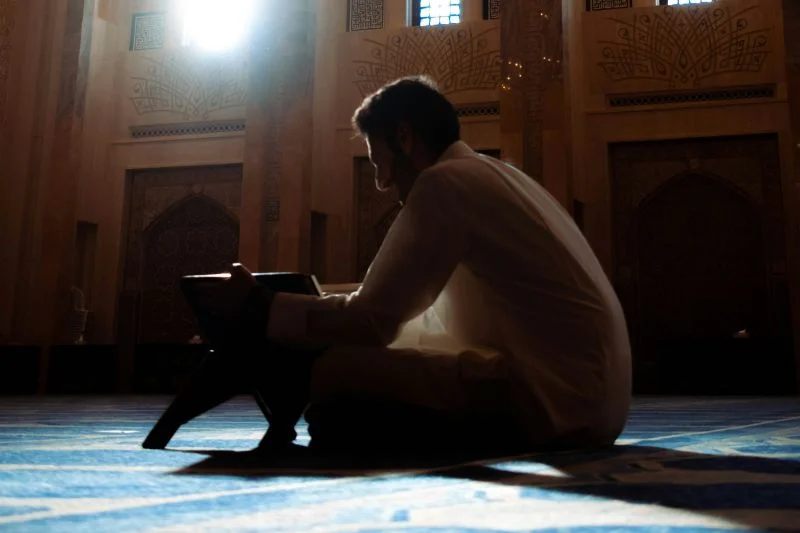
Kuwait has enacted a pivotal law for regulating the establishment and maintenance of places of worship, namely Decree Law No. 72 of 2026. The legislation, unveiled by Minister of Awqaf and Islamic Affairs, Dr. Mohammad Al Wasmi, will be aimed at bolstering religious freedom while keeping religious practices away from policy and extremist ideology, he said.
The decree will take effect at all religious institutions other than those under direct supervision or management to the Ministry of Islamic Affairs. It establishes tougher licensing procedures, standards, and policing efforts to achieve public order, national harmony and religious tolerance.
Mandatory Government Approval for Places of Worship
The new law imposes official government regulation on anyone or any organization wishing to set up a place of worship, build it or operate it.
The Committee for Places of Worship has been set up to oversee the process, consisting of representatives from various government ministries and agencies from all parts of the UAE. The committee reviews applications, issues permits, checks compliance and maintains enforcement of all facilities within the law.
Six-Month Deadline for Existing Religious Facilities
Perhaps the most important provision of the decree is the required six-month transition period.
The owners or managers of existing religious observances need to ensure their legal and administrative arrangements are altered to reflect the new requirements. Authorities are also authorized to liquidate the assets of closed-down facilities per the law and facilities that do not regularize their operations within the stipulated time frame can be closed.
This is the time being provided to the organisation to finish documenting and to secure the required verification.
Absolute Separation Between Religion and Politics
Clear rules are discernible, namely that a place of worship is for religious and spiritual purposes only.
Religious buildings cannot take part in political activities, election campaigns, government interference or in the promotion of violent and extremist ideology or social division. Laws place emphasis on maintaining national stability, while at the same time safeguarding the free exercise of religious beliefs.
New 9-Point Ban on Religious Site Activities
The Act specifies nine activities which if committed could lead to the intervention or penalties of regulators and the closure of a place of worship.
1. Promoting Religious Hatred
None of religious sites should insult, provoke, or incite against other religions, sects or beliefs.
2. Political Activities
The misuse of sermons or religious activities to sway domestic affairs, foreign policy or the government of the State are strictly forbidden.
3. Inciting Sectarian or Ethnic Division
Racial, sectarian, religious and ethnic conflict within society is prohibited.
4. Inciting extremism or violence
Extremist ideologies and acts of violence cannot be promoted through religious buildings.
5. Unauthorised Religious Events Outdoors
If they do not go with the Government and impede traffic or public order for some reason, big religious meetings or ceremonies are not allowed at sites other than those approved for the event.
6. Running an unregistered event
Public events must be pre-arranged with the appropriate committee for any event that is held inside such religious buildings.
7. Threatening Public Health or Safety
Activities that pose a risk of hazard to human health and safety, or that conflict with government regulations could be subject to enforcement.
8. Unauthorized Foreign Communications
A place of worship may not have an official correspondence that it initiates directly with foreign governments, embassies or international organizations without authorization.
9. Hiring Staff Without Approval
Before their appointment, religious leaders, administrators and employees should have the necessary government clearance and security screening.
What the Law Means for Religious Institutions?
It is high time that religious organizations already in the market and having been established in Kuwait reconsider their legal status and the inner mechanisms of their operation, especially in regard to the recruitment of staff, participations in religious events etc.
In order to remain compliant within the new system of licensing, committee approval and administrative regulation will be crucial.
Impact on Expatriate Communities
The decree is equally applicable to the worship places that are suitable for the use by the expatriate communities. The government has not reiterated its pledge of religious freedom and tolerance, but all institutions will be required to meet all of the new operational guidelines.
For the most part, changes to religion are unlikely to be felt by expatriate worshipers, but religious worship managing organizations are likely to be subject to new legal requirements.
FAQs
Which is Kuwait’s Decree Law No. 72 of 2026?
This new law provides for the specific rules governing licensing, administration and operation of places of worship in Kuwait, clarifies prohibited acts and establishes compliance requirements (Decree Law No. 72 of 2026).
What was the requirement for this compliance?
Within six months of the law coming into effect, existing places of worship will be required to have their legal and administrative status as places of worship updated. Otherwise this may lead to closure and potential liquidation of assets.
Has the new law applied to the religious communities of expatriates?
Yes. Important also is that the places of worship for foreign nationals shall be subject to licensing, staff and operational standards detailed in the new decree, while at the same time offering legal religious services to the expatriates.
More Stories You Shouldn’t Miss
Ready for Doha’s Biggest Tech Crowd?
Explore how Web Summit Qatar 2026 sold out as thousands head to Doha for innovation and networking.
Curious About UAE at G7 Talks?
Discover why Canada invited the UAE to join key discussions at the upcoming G7 summit.
Interested in Kuwait’s Cloud Innovations?
Check how GBM CloudX launch is shaping the future of cloud technology at Kuwait Innovation Summit.
Want Insights from Dublin Meetings?
Explore what happened during the first Web Summit Qatar 2026 meetings held in Dublin.
Looking at UAE’s AI Global Rise?
Discover how UAE’s AI powerhouse strategy is driving its rapid global technological influence.


Nobel Prize 2026 Winners Full List Categories and Achievements

From Abu Dhabi to Brussels: Europe’s Growing Focus on the Muslim Brotherhood and Cross-Border Security

Top 10 Staycations and Overseas Trip Options for UAE Families During Nine Day Half Term School Break

UFC Fight Night Doha Tickets Go on Sale: Guide on Ticket Price, How to Buy Tickets and Attend the Event

Saudi Aviation Authority Confirms 1 Dead, 11 Injured on Sunday Riyadh Airport Attack

UAE Flight Suspensions Extend Across Saudi Arabia
-

 Reports3 days ago
UAE and Saudi Arabia Seek to Strengthen Rail and Infrastructure Integration
-
 Entertainment3 days ago
Lusail Circuit Opens Volunteer Applications for 2026 MotoGP and Formula 1
-
 Reports3 days ago
Kuwait Urges Unified Global Response to Terrorism and Financing
-
 News3 days ago
Trade Deal Talks Concluded Between UAE and Thailand