Opinion
The Doha Playbook: Can Qatari Diplomacy Break the Stalemate in Sudan?

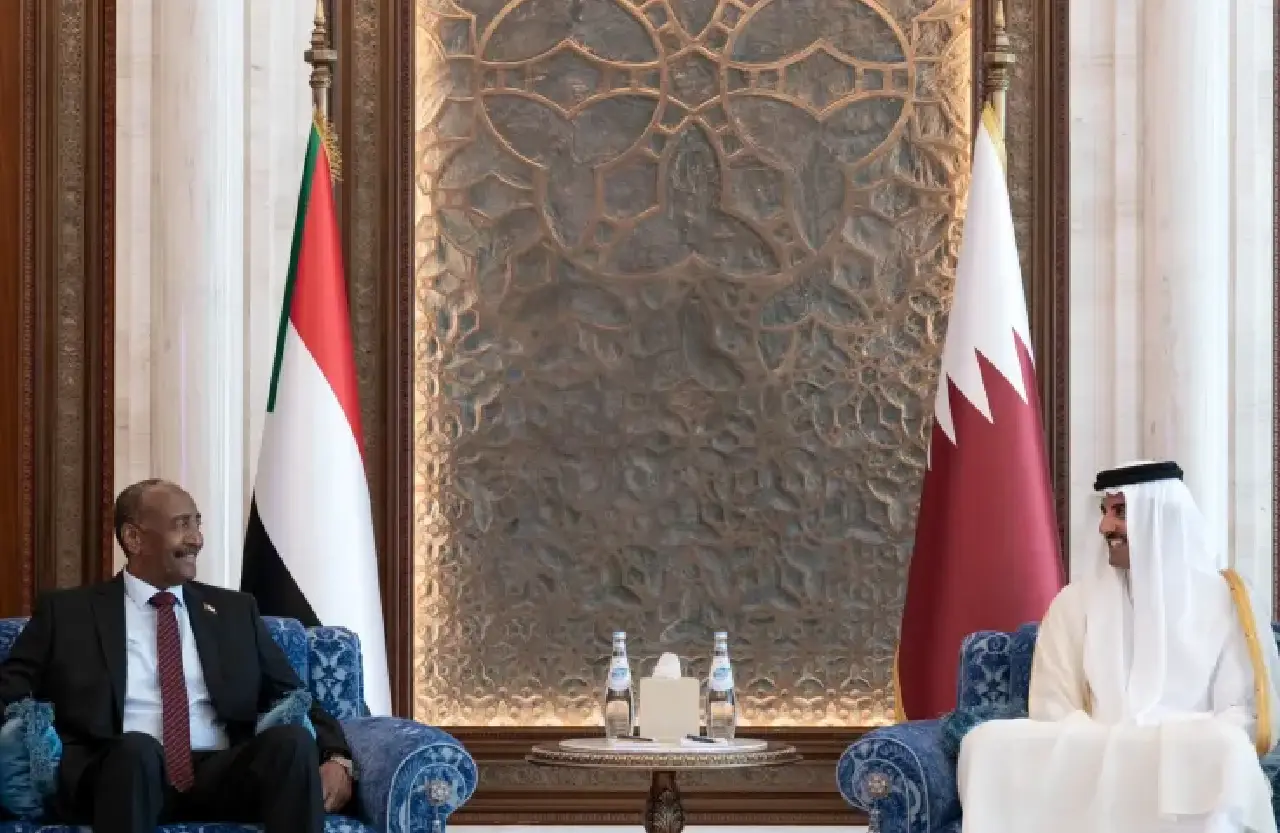
Sudan’s conflict is emerging as one of the toughest diplomatic issues in the region. There has been a relentless series of ceasefire attempts and international talks to come up with a lasting peace agreement, but nothing has stopped the fighting and its horrific humanitarian consequences.
Qatar might be able to provide another form of mediation. Doha has gained experience in Sudan, including involvement in the peace process in Darfur, which could be leveraged to add national expertise to the existing diplomatic work.
Why Previous Peace Efforts Have Stalled?
There are many setbacks that have been the most significant in the military-oriented format of negotiations. Negotiations have tended to prioritise the Sudanese Armed Forces and the Rapid Support Forces and have paid little attention to civilian group capacities.
This has made it hard to get a sense of legit from the management of the institution. There is no way to decide political futures for Sudan solely by armed groups, as civil society organizations, women, professional organizations, tribal chiefs, and communities must rally to and put into practice any settlement.
Qatar’s Experience in Sudan
Qatar is bringing no novices to contribute to the Sudanese Peace file. The negotiations over the 2011 Doha Document for Peace in Darfur featured the central role of Doha.
That process included interactions with armed groups, representatives of the Sudanese government and components of Sudanese civil society. The experience benefited Qatar with the knowledge on the country’s regional efforts, tribal and political dynamics.
What Could the Doha Approach Look Like?
The idea of a successful initiative from the Qatari side would have to be aligned with the ongoing global initiatives; rather than substitute them. The first agenda might be area-level humanitarian agreements, which establish safe corridors for civilians and humanitarian aid.
Such smaller deals can help build trust among rival groups before it’s time to reach a settlement across the country. This would also be a triumph in humane progress proving that diplomacy can yield tangible results in the lives of ordinary Sudanese.
From Ceasefire to Security Reform
Another question which remains to be answered is what will happen with Sudan’s armed groups. Having the SAF and RSF in the same position in politics does not necessarily address issues of control over the state and/or security sectors.
Alternatively Qatar has the opportunity to facilitate a staged approach, with humanitarian de-escalation and larger scaled DADR arrangements in the longer term. Such sequencing might allow for immediate humanitarian response or the much more difficult issue of security-sector reform.
Bringing Civilians Back to the Table
There is a need for more inclusive participation in any political settlement that can be set up in a sustainable manner. The lessons can be learned from the Darfur process that would benefit Qatar in the setting up of a civilian consultative process with women, tribals, other community leaders, resistance groups, professional associations and a special treatment for the professional community.
Such a forum wouldn’t rule out formal negotiations between military actors. Rather, it may facilitate the political setting in which a post-war transition can take place and so might help avoid a new agreement on a settlement for the Future that is negotiated without a secure civilian legitimacy.
Bridging Regional Interests
Sudan’s conflict is also linked to larger-grained competition between the Red Sea and the Horn of Africa. The future of Egypt is particularly important in the eyes of other countries – including Egypt, Saudi Arabia, UAE and others both in terms of security and economics.
Ideally, Doha may be able to act as a mediator between conflicting regional stances. Qatar’s strongest contribution to the peace process might be to make existing efforts to forge a new peace process converge around a set of humanitarian and political goals.
Can Doha Actually Break the Deadlock?
Mediation alone will not allow Qatar to help bring peace to Sudan. Ultimately, a breakthrough will require more compromise from the Sudanese actors and its supporters.
But the previous Doha Sudanese experience and the diplomatic relations & efficacy of bringing on board different stakeholders may prove a useful additional door. A more robust “Doha playbook” would thus synergize issues of humanitarian access, civilian inclusion, and security-sector sequencing and coordinated regional diplomacy.
FAQs
Why has Qatar been interested in the mediation of Sudan?
Qatar has previous experience in mediating Sudanese conflicts, such as in the Darfur peace process, and thus established diplomatic experience and relations.
Which document introduced the ‘Doha Document for Peace’ in Darfur?
The “Doha Document for Peace in Darfur” of 2011 is a peace plan agreed by negotiations between the Sudanese government and armed groups and other Sudanese stakeholders.
Can they be replaced with a completely different peace talks, now in Qatar?
Qatar would see more of the complementation of existing mediation than their replacement of existing mediation through regional and international mediation organisations.
Don’t Miss These Stories
Need to Renew Your Indian Passport in the UAE?
Find the complete list of all 16 Alhind ICAC centres for Indian passport renewal across the UAE.
Looking for Qatar’s PHCC Care Summer 2026 Details?
Check PHCC Care Summer 2026 locations, shifts, requirements, and key information for Qatar students.
Are Unused SIMs Linked to Your Kuwait Civil ID?
Learn how to check SIM cards registered under your Civil ID using Kuwait’s Sahel app.
Curious About Saudi Arabia–UK Investment Ties?
Explore the key investment sectors shaping Saudi Arabia and the UK’s strategic partnership.
What Could Iran Control of the Strait of Hormuz Mean?
Discover Rubio’s warning about Iran controlling the Strait of Hormuz and the potential global risks.


Kuwait and Saudi Arabia Lead Six Teams into ICC Men’s T20 World Cup 2028 Regional Final

UAE Launches ‘100 Dreams’ Initiative to Help Entrepreneurs Turn Ideas into Businesses

Riyadh Strikes Test the Strength of the Mecca Pact

Qatar T100 Kick Off Run Returns for 2026: Everything Runners Need to Know

New Dubai Shared Housing Rules Could Improve Living Conditions for Low-Income Workers

Iraq PM Denounces Houthi Strikes on Saudi Arabia in Talks with Crown Prince
-

 Reports6 days ago
UAE and Saudi Arabia Seek to Strengthen Rail and Infrastructure Integration
-
 Entertainment6 days ago
Lusail Circuit Opens Volunteer Applications for 2026 MotoGP and Formula 1
-
 Reports6 days ago
Kuwait Urges Unified Global Response to Terrorism and Financing
-
 News6 days ago
Etihad Suspends Riyadh Flights After Houthi Attacks