
Reports
Oman’s Jebel Akhdar Receives 37mm of Rain, Topping National Rainfall Charts

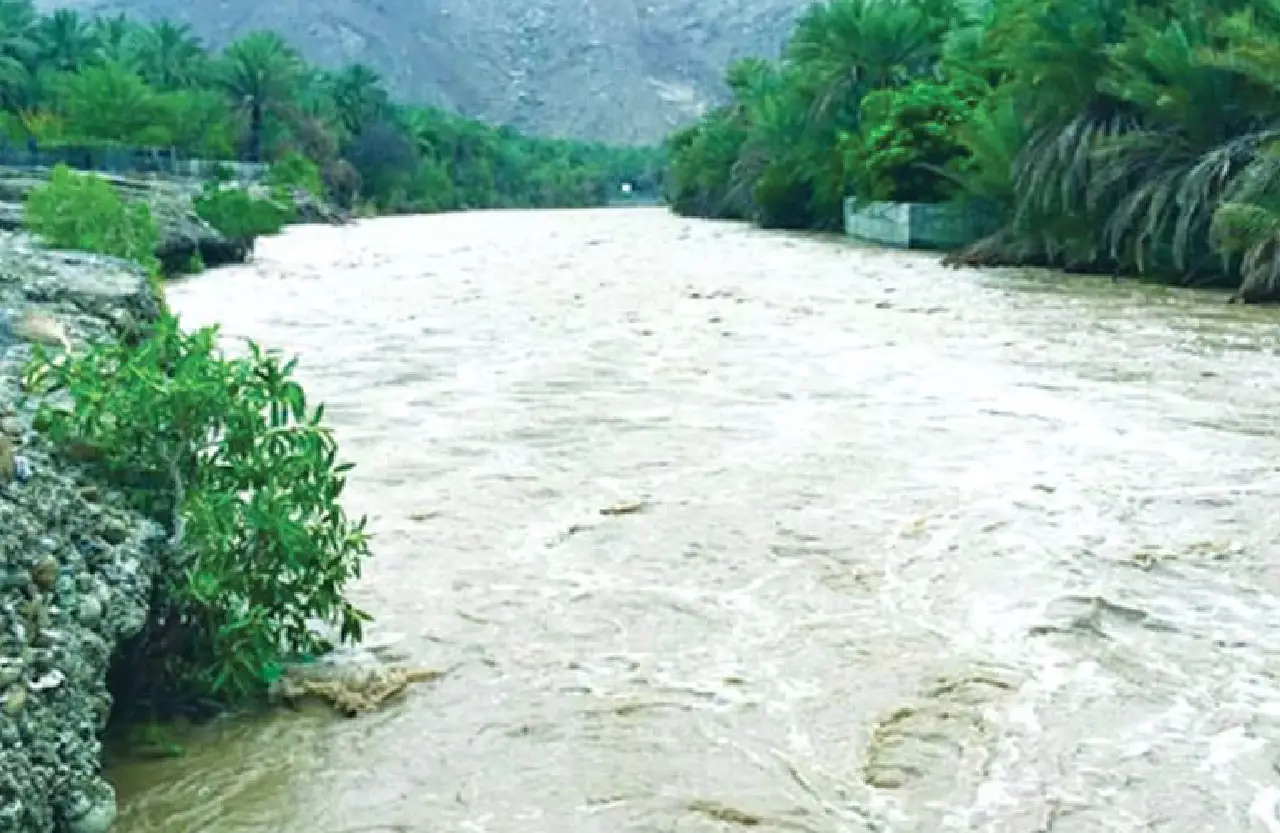
The latest data from the MAFWR, Oman shows that Jebel Akhdar has become the wettest place in Oman with 37mm in rainfall. The rainfall is the result of active summer weather systems over a few areas in the Sultanate providing relief for the affected communities, farmers and ecosystems.
The high-rainfall amount was related to convective cloudiness over the Al Hajar mountain region and moisture over the Khareef season in the southern part of Oman. In addition to Jebel Akhdar, some governorates had received moderate rain, reflecting the varied climatic conditions of the summer season in the country.
Jebel Akhdar Leads National Rainfall Totals
Al Jebel Al Akhdar, Ad Dakhiliyah Governorate had the highest rainfall of 37mm. Chemokines Salalah and Al Jazer were next with 28mm and 21mm, respectively. Measurable rain ranging from 10-19mm was observed at other areas like Ibri, Khasab, Al Rustaq, Liwa, Shinas, Sohar, Ibra, Muscat and Barka.
These rainfalls portray the amazingly different weather patterns found in Oman where rainfall is provided in certain areas by thunderstorm clouds and in the Dhofar area continues with its seasonal Khareef rains.
Boost for Water Resources and Agriculture
Precipitation, especially for Oman, is important in terms of water security. Showers from over Jebel Akhdar assist the underground aquifers and dams to replenish the Traditional Aflaj of Aqsar Qada’ irrigation network registered by UNESCO under the Syrian national heritage list.
This extra bit of water is used for terraced cultivation on the mountain area. The farmers grow pomegranate, walnut, fig, rose and other high-value crops. Better groundwater levels also help ensure the longer-term sustainability of agriculture, particularly in the lead up to the fall harvest season.
Cooler Escape During Summer
Much of the Gulf is still boasting temperatures over 40°C, but for a refreshing change, it’s the Jebel Akhdar. It is also a high elevation and the recent rainfall has kept day temperatures considerably lower, even in the mid-20s Celsius.
It is good weather, which welcomes domestic guests and those coming from across the GCC to enjoy the mountain summer retreats, natural beauty and luxury resorts. It is one of Oman’s summer hot spots due to its green terraces, the foggy days and fresh mountain air.
Authorities Urge Caution Around Wadis
The rains provide many benefits but they also mean that there is a risk of flash flooding. Oman’s Civil Defence and Ambulance Authority has issued a warning to residents and tourists not to cross wadis when inundated, it will fill up quickly due to mountain storms.
Passengers are reminded to check the weather forecast, and take precautions on roads with low visibility; taking the driver’s advice if heavy rainfall occurs.
Why Does This Rainfall Matters?
Oman’s distinct climatic systems have been highlighted with the latest rainfall events. These come from the thunderstorms passing over the Al Hajar Mountains to the Khareef rains in Dhofar, all of which play a crucial role in water-holding, biodiversity conservation, agriculture and tourism.
With climate variability increasingly affecting the weather on the terrain of the Arabian Peninsula, it has become increasingly vital for timely rains such as these to help sustain the groundwater reserve and provide sustenance to local communities.
FAQs
Which region of Oman gets the most rain?
The heaviest rainfall was received at Al Jebel Al Akhdar with 37mm while the lightest was recorded in Al Siliah 18mm with 2 mm.
Why is the rainfall at Jebel Akhdar important?
Jebel Akhdar is also receiving rain, which helps to recharge the groundwater, and its use of the traditional Aflaj irrigation system contributes to agricultural production and water security.
In which other areas did it rain significantly?
The other stations that clocked measurable rainfall were Salalah with 28mm, Al Jazer with 21mm, Ibri, Khasab, Al Rustaq, Liwa, Shinas, Sohar, Ibra, Muscat and Barka each recorded 28mm.
Stay In The Loop
What’s Driving UAE Economic Growth?
Explore how IMF projections highlight the UAE’s strong expansion and regional leadership in the coming year.
Why Is UAE Leading MENA Growth Rankings?
Discover the key factors behind the UAE’s top GDP growth position across the Middle East and North Africa.
How Is Oman Showing Economic Resilience?
Check how Oman’s economy continues to stay stable and resilient despite global financial uncertainties.
Will UAE Banks See Lending Boom?
Explore why UAE banks are expected to witness significant lending growth and financial sector strength.
How Can Expats Manage Money in Dubai?
Discover smart personal finance strategies that help expats save, invest, and thrive in Dubai.




UAE Encourages Food Industry to Participate in Global Water Dialogue

Kuwait Urges Unified Global Response to Terrorism and Financing

Trade Deal Talks Concluded Between UAE and Thailand

Etihad Suspends Riyadh Flights After Houthi Attacks

Lusail Circuit Opens Volunteer Applications for 2026 MotoGP and Formula 1

UAE and Saudi Arabia Seek to Strengthen Rail and Infrastructure Integration
-
 Reports12 hours ago
UAE and Saudi Arabia Seek to Strengthen Rail and Infrastructure Integration
-
Entertainment12 hours ago
Lusail Circuit Opens Volunteer Applications for 2026 MotoGP and Formula 1
-
 News1 week ago
Inside Story of the Dubai-to-Tel Aviv Flydubai Emergency Diversion
-
 Entertainment1 week ago
10 Must-See Concerts and Shows Coming to UAE This October