
News
Navigating Summer Dust Storms: Health Advice for Respiratory and Asthma Patients in Western Saudi Arabia

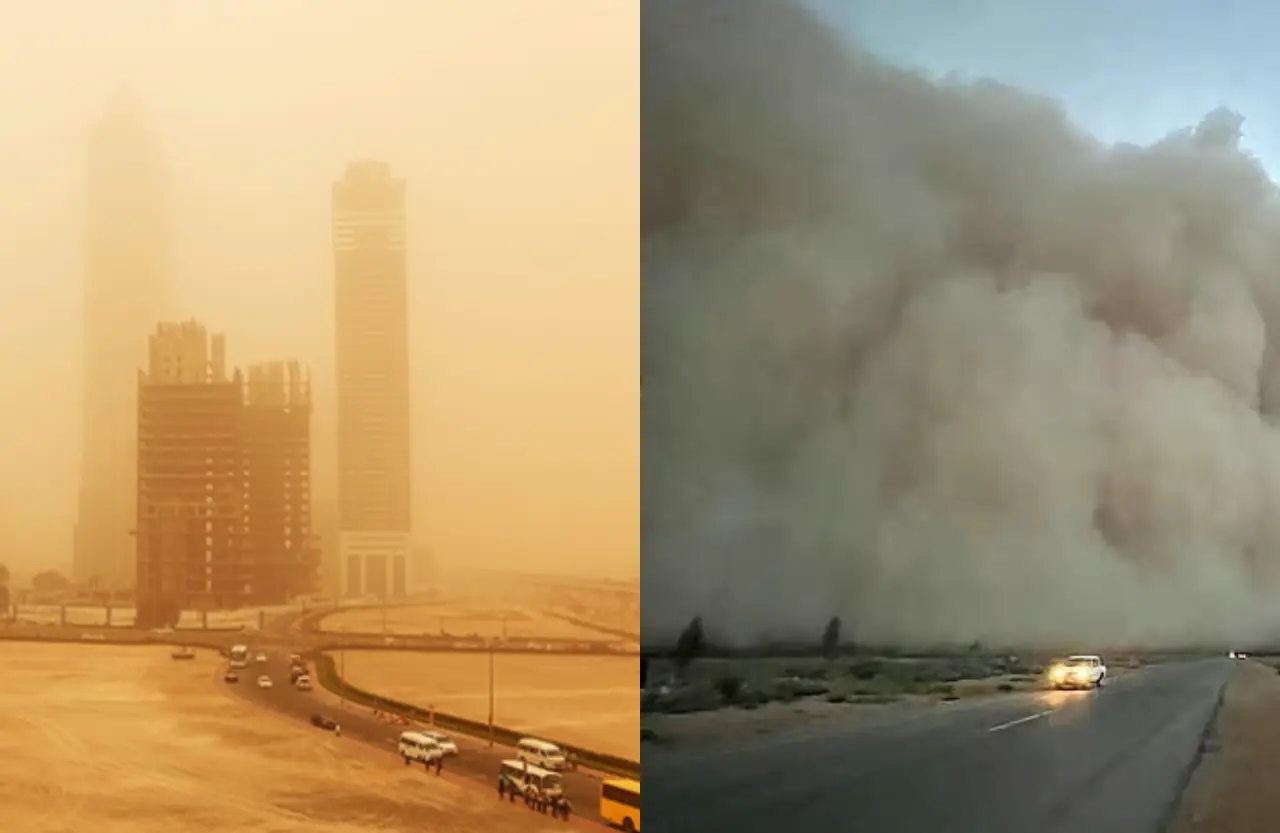
Dust storm is one of the common weather problems that occurs in summers in western Saudi Arabia particularly in areas like Makkah, Madinah, Al-Baha, Asir and Jeddah-Jazan coastal belt. The National Center of Meteorology has been warning residents regularly about dust-stirring winds, while residents are being called upon to take extra care for their wellbeing.
Fine dust is composed of dust particles of which the PM10 and PM2.5 are the ones that can penetrate quite far into the lungs and cause problems to the respiratory system. Long-term exposure can cause life-threatening effects to people with asthma, chronic obstructive pulmonary disease, allergies or breathing problems. The government of Saudi Arabia’s Ministry of Health has urged vulnerable individuals to be extra careful and alert in the desert during dusty weather to avoid exposure.
Who Is Most at Risk?
While all people are vulnerable to the impact of dust storms, some are much more vulnerable to the health impacts. Inhaled particulate matter can irritate airways and cause asthma and COPD patients to wheeze or experience profound difficulty breathing and is therefore especially hazardous to the health of patients with asthma and COPD.
Other groups who need extra protection are children and the elderly, people who have just had eye or respiratory surgeries and outdoor workers. Increased outdoor exposure for those working on the road or driving for long periods of time should include checking information on the type of weather conditions and decreasing it when possible.
Create a Safe Indoor Environment
During a dust storm, your home will be your first line of defense. Ensure all windows external doors are tightly shut to keep dust out. Use damp towels or door sweeps to temporarily fill in gaps around doors and windows or with weather stripping.
Use a “recirculation” setting for the air conditioner rather than “fan on indicator” which pulls outdoor air through the indoor unit. HEPA air purifier when one is available, especially in damprooms, bedrooms and kitchens, to improve indoor air quality. Develop safer cleaning habits; instead of dry sweeping use damp microfiber cloths as these will not resuspend settled dust.
Stay Protected Outdoors
If you must leave the house, wear a surgical or cloth mask or a sufficiently fitted N95 or KN95 type mask, because these masks offer much greater protection from fine dust than cloth or surgical masks.
Cars should be kept with all windows rolled up and air conditioning changed to recirculate the air. Wearing protective eyewear can help to prevent eye irritation and changing your clothes and showering after being outdoors can wash allergens and dust away from your skin and hair.
Keep Your Medication Ready
Those with respiratory diseases should always have their rescue inhaler and make sure that it is never out of date. Remember to use the medicines as prescribed for prevention even if you do not have symptoms.
Saline nasal rinses may help wash dust from the nasal passages and antihistamines can help minimize allergy symptoms as recommended by your health care provider. A personal asthma action plan can help you act promptly during an asthma attack.
When Should You Seek Medical Help?
If breathing eases, but gets worse, or if the rescue inhaler is not helping you breathe, seek medical assistance immediately. If there is any chest tightness, blue lips or fingers, difficulty in speaking in sentences or if you experience pain after being in the dust, the person should receive urgent evaluation.
If these symptoms occur residents are advised to contact the Saudi Ministry of Health hotline 937 or their local Emergency Department.
FAQs
Why is it harmful to have dust storms during the summer months, for the person with asthma?
Fine particles sized dust that fly around in summer dust storms can inflame the lungs and cause harms such as asthma attack, coughing, wheezing and difficulty breathing.
In dust storms which mask is most appropriate?
N95 or KN95 filter respirators are also recommended for wear because they can better filter the size of dust particles that are smaller than cloth and surgical masks do.
What happens and what can I do to improve the indoor air quality during a dust storm?
Do not open doors and windows, set strictly to recirculation, use a HEPA air purifier if available and use damp cloths to clean surfaces, avoid dry sweeping.
You May Also Like
What’s trending in Arabic mini-series?
Explore the hottest viral Arabic mini-series across GCC platforms in 2026 with this complete OTT guide.
Which Arabic-dubbed Netflix shows dominate?
Discover the most popular Arabic-dubbed Netflix series making waves across the GCC right now.
What are top Arabic series 2026?
Check out the best Arabic series on OTT platforms that are defining entertainment trends in 2026.
Where to watch free Turkish dramas?
Explore the top free Turkish dramas streaming in Dubai in 2026 for your next binge session.
Which comfort films are trending now?
Discover the most loved comfort films currently trending across the Middle East for relaxing viewing.


10 Best Places to Visit in Kuwait for First-Time Tourists on a Low-Cost Budget

Sheikh Mohammed Urges Leaders to Embrace Change, Empower People

Planning Your Long Weekend: Top Events and Getaways for the 2026 UAE National Day Break

EF Qatar Announces Three New Initiatives on Engineers’ Day

Kuwait Crown Prince Begins Official Visit to Switzerland After UNGA

Morocco Vows Solidarity With Saudi Arabia, King Mohammed VI Says, “Any Attack on Saudi Arabia Is an Attack on Morocco”
-

 Reports1 week ago
Kuwait Expands Global Humanitarian Support With Food, Water and Medical Aid
-
 News1 week ago
Qatar Strengthens Partnership With UN on Global Peace and Development
-
 Entertainment6 days ago
Saudi National Day 2026: 10 Family-Friendly Things to Do
-
 Reports1 week ago
Etihad Rail Launches Fujairah-ICAD Cargo Service to Boost UAE Trade