News
Kuwait Petroleum Corporation Signs Historic $16 Billion Pipeline Deal With Blackstone, Brookfield and KKR

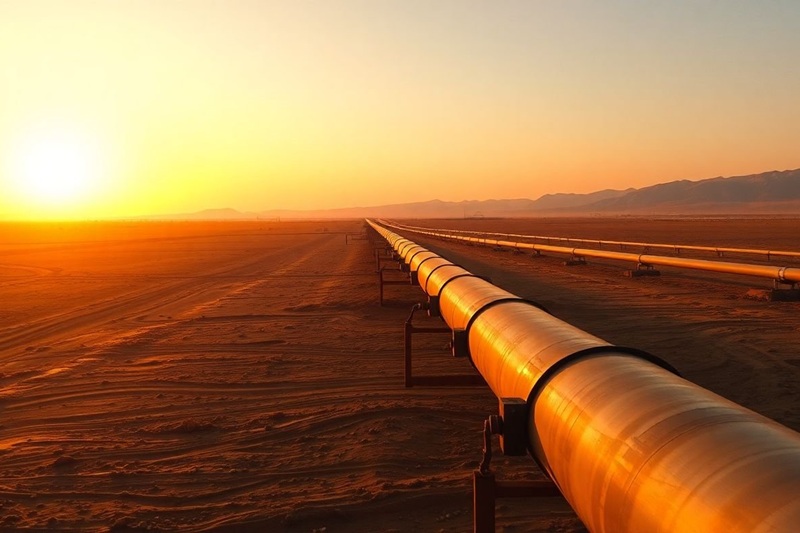
Kuwait Petroleum Corporation (KPC) said its subsidiary Kuwait Oil Company (KOC) had signed a USD 16 billion lease-and-lease-back deal for all of Kuwait’s domestic and export crude oil pipeline network in what is one of the largest infrastructure deals in the history of Kuwait. The landmark deal unites some of the world’s largest investment firms – Blackstone, Brookfield and KKR – in a long-term partnership that is expected to generate billions of dollars for Kuwait while enabling the country to retain full ownership and operational control of its vital energy infrastructure. The announcement is the largest foreign direct investment (FDI) ever made in Kuwait and reflects growing international confidence in the Gulf country’s energy sector despite ongoing regional geopolitical challenges.
What Is the Kuwait Petroleum Corporation Pipeline Deal?
According to the agreement, KOC will set up a new joint venture company that will lease the rights to use its 13 domestic and export pipelines, which total some 320 kilometers in length across Kuwait. The deal is structured as a lease-and-lease-back arrangement, where the joint venture leases the pipeline rights from KOC and immediately subleases those rights back to KOC for 20.5 years with KOC having the exclusive right to operate, maintain and use the network in return for a volume-based tariff. The structure allows Kuwait to raise capital while retaining control over strategic national assets.
Blackstone, Brookfield and KKR Take Minority Stake
Under the agreement:
- Kuwait Oil Company will keep a 51% ownership stake.
- Blackstone, Brookfield and KKR will each own an equal share of the 49% collectively.
- KOC will retain ownership and operation of the pipeline system.
- Kuwait’s production levels and refining capacity remain fully under government control.
The deal is expected to bring in some USD 7.85 billion in upfront proceeds to help fund future investments across Kuwait’s energy sector.
Why This Deal Matters
For many readers, selling off part of a pipeline network sounds like privatization. But this is a different agreement. Instead of selling the pipelines themselves, Kuwait is monetizing the economic rights associated with the infrastructure while retaining operational authority. This gives the government the ability to raise cash immediately for future oil production projects, without giving up sovereignty over strategic assets.
The fresh cash will help KPC achieve its long-term target of raising Kuwait’s crude oil production capacity to 4 million barrels per day by 2035 and will also support the country’s broader economic diversification strategy.
A Growing Trend Across the Gulf
Kuwait is one of a number of Gulf countries to adopt similar infrastructure financing models. Saudi Aramco, ADNOC in the United Arab Emirates and Bahrain’s Bapco have all completed major pipeline or infrastructure leaseback transactions in recent years. The deals are attractive to long-term institutional investors and provide national oil companies with operational control of strategic assets.
Expert Analysis: A Strong Vote of Confidence
Industry analysts called the deal more than just a financing exercise. The involvement of global investment heavyweights Blackstone, Brookfield and KKR indicates continued investor confidence in Kuwait’s long-term energy prospects. Oil pipelines and other infrastructure assets tend to throw off predictable cash flows, which makes them attractive to pension funds and other institutional investors looking for stable long-term returns. The deal also sends a positive message to international markets for Kuwait, which remains committed to attracting foreign capital and modernizing its economy despite regional uncertainty.
Discover more Insights
Explore UAE travel alert apps today?
Explore the latest UAE travel alert apps to stay updated on flight delays and transit disruptions in real time.
Discover GCC event tracking updates easily?
Discover top GCC event tracking sites to monitor cancellations and schedule changes without missing important updates.
Check best Gulf tracking apps now?
Check the best Gulf weather, flight, and road tracking apps for accurate and timely travel insights.
Find safe places near you fast?
Discover why “safe places near me” searches are rising in Doha and Dubai and how to stay prepared.
Explore GCC luxury travel trends 2026?
Explore the booming trend of hyper-luxury travel shaping the future of tourism across the GCC.
What Happens Next?
The joint venture is expected to proceed to financial close following customary regulatory and contractual processes. Once completed, Kuwait will receive the upfront proceeds and maintain the seamless operation of its pipeline network. If successful, the transaction could serve as a template for future infrastructure partnerships across the Middle East where governments are increasingly keen to unlock capital without privatizing strategic national assets.
FAQs
1. Kuwait Petroleum Corporation pipeline deal: what is it?
It is a USD 16 billion lease and lease-back deal for the entire domestic and export pipeline network of Kuwait Oil Company with Blackstone, Brookfield and KKR.
2. Does Kuwait still control its oil pipelines?
Yes, it’s owned by Kuwait Oil Company 51% and is fully functional and owns the pipeline network.
3. How much cash does Kuwait get upfront?
The transaction is expected to generate approximately USD 7.85 billion in upfront proceeds at closing.


10 Best Places to Visit in Kuwait for First-Time Tourists on a Low-Cost Budget

Sheikh Mohammed Urges Leaders to Embrace Change, Empower People

Planning Your Long Weekend: Top Events and Getaways for the 2026 UAE National Day Break

EF Qatar Announces Three New Initiatives on Engineers’ Day

Kuwait Crown Prince Begins Official Visit to Switzerland After UNGA

Morocco Vows Solidarity With Saudi Arabia, King Mohammed VI Says, “Any Attack on Saudi Arabia Is an Attack on Morocco”
-

 Reports1 week ago
Kuwait Expands Global Humanitarian Support With Food, Water and Medical Aid
-
 News1 week ago
Qatar Strengthens Partnership With UN on Global Peace and Development
-
 Entertainment6 days ago
Saudi National Day 2026: 10 Family-Friendly Things to Do
-
 Reports1 week ago
Etihad Rail Launches Fujairah-ICAD Cargo Service to Boost UAE Trade