
News
Hajj 2026 Safety Alert: Saudi Arabia Announces 10-Year Jail Term for Unlicensed Food Vendors – What Pilgrims Need to Know Today

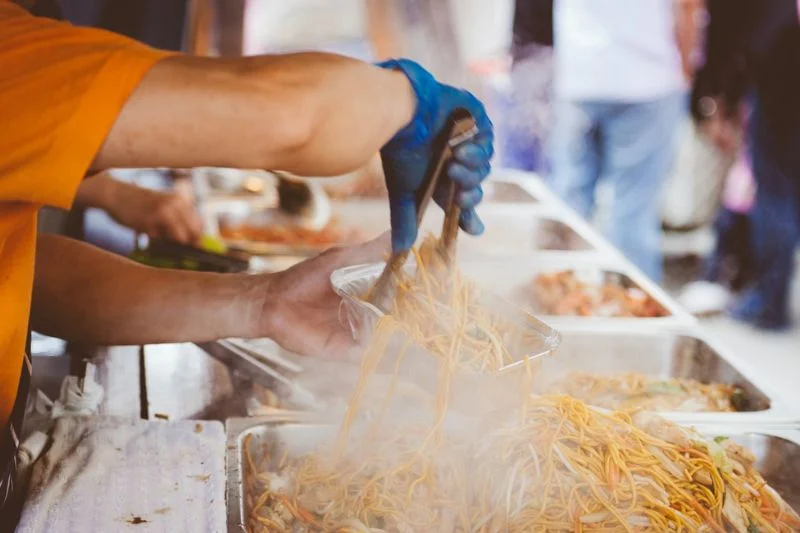
With plans of Hajj 2026 gearing up, Saudi Arabia has implemented some strict safety measures. In a critical step to safeguard millions of pilgrims, the Saudi Food and Drug Authority and other responsible authorities have declared that unlicensed food activities would be seriously punished with jail sentences to a maximum of 10 years and penalties up to SAR 10 million.
The adoption of a zero-tolerance approach can be ascribed to the combined dedication of the Kingdom to provide both health and safety to the masses in one of the greatest religious events worldwide. Already pilgrims have started to show up and enforcement has commenced in major cities and sacred places.
10-Years Rule: Punitive Action Explanation
In the Hajj season, the new regulation elevates it to a major criminal offense to produce, keep or market food without approval licensing. The maximum punishment could be 10 years of incarceration and at least SAR 10 million in fines (approximately, 2.66 million).
The government is also cracking down on improper storage systems, including storing food in unaccepted warehouses or in homes. Companies that are found to breach such regulations risks being closed down, paying hefty fines and not operating in the food industry in the long-term.
Why is this crack down being done now?
The time of this stern implementation is very important. With the presence of millions of pilgrims in such cities as Makkah and Madinah, there is a high chance of foodborne diseases.
Illegal food vendors do not maintain the standards of good hygiene, and the threat of mass food poisoning grows. In extinguishing these risks, Saudi government officials are hoping to achieve a safe and regulated supply chain of food during pilgrimage season.
Other Important Rules of Pilgrimage
Other than food safety, several tough conditions related to Hajj 2026 have been introduced in Saudi Arabia:
No Hajj Permit: Unofficial permit holders will be fined up to SAR 20,000, deported and may have entry restrictions.
Transport Violations: Anyone who transported or accommodated unregistered pilgrims could be sentenced to one and a half years in prison and fines (SAR 100,000).
Entry Penalties: Violators are prohibited to enter Saudi Arabia again in 10 years.
Prohibited Items: Narcotics, large amounts of unannounced funds, unapproved medicacies, and even illegal food are severely forbidden.
This is adopted during 1 Dhul Qadah to 14 Dhul Hijjah, the entire Hajj period.
The rule of No Self-Cooking
One of the major changes of 2026 will be the limit on self-cooking in pilgrim lodging. To minimize fire risks and safeguard food safety, authorities have been advised against or prohibited cooking in residential areas.
It is recommended that pilgrims only use licensed catering services or official Hajj missions meals. Unlicensed food service will be imposed with hefty fines. Verification systems such as QR codes are being displayed by many authorized vendors to verify that there is compliance with safety standards.
Don’t Miss These Stories
What’s Driving GCC Luxury Travel Boom?
Explore the rise of hyper-luxury travel trends shaping GCC tourism in 2026.
How Is GCC Embracing Eco Travel?
Discover eco-friendly journeys and sustainable tourism trends across the GCC region.
Are Dubai Flights Facing New Changes?
Check live updates on flights, delays, and airspace alerts at Dubai Airport.
Which Dubai Resorts Offer Easy Transfers?
Explore luxury resorts in Dubai that provide seamless airport transfer services.
Where To Track GCC Event Updates Fast?
Discover top sites for real-time GCC event cancellations and schedule updates.
Implication on Pilgrims
These measures can be seen as very strict by pilgrims, yet they are aimed at providing them with a safe and relaxing Hajj journey experience. Legal and health problems can be averted through the selection of a licensed vendor, regulations and shortcut avoidance.
The strategy being adopted in Saudi Arabia is a wider expression of modernization with rigorous policing using a more comprehensive surveillance system to deal with the sheer magnitude of Hajj at a safe level.
FAQs
What is the new fine on unlicensed food sellers at Hajj 2026?
Violators may end up serving a jail term of up to 10 years and payments of up to SAR 10 million to the government.
Can pilgrims carry their lunch?
Personal food quantities are limited because pilgrims may have only a small amount of food they carry but vast amounts or food materials that are not approved can be curtailed or eclipsed.
Is cooking by yourself permissible at Hajj 2026?
Many accommodations do not encourage or allow self-cooking, as it is prohibited in order to guarantee the level of safety and hygiene.


Dubai 7s 2026 Tickets Go on Sale: Dates, Prices and How to Book

Qatar Names 243-Athlete Team for Aichi-Nagoya 2026 Asian Games

The Mecca Defence Pact Is Built on Convenience. Can It Last?

H.H. Sheikh Mohammed Visits ADIHEX 2026, Celebrating UAE Heritage, Hunting and Equestrian Culture

Makkah Defense Pact: Strategic Committee to Hold First Meeting in Istanbul

UAE Expands Gaza Relief Efforts With New Aid Convoys Under Operation Chivalrous Knight 3
-

 News1 week ago
Global Humanitarian Leaders Gather in Dubai to Shape Future of Aid Ahead of DIHAD 2026
-
 News6 days ago
MBS and Macron Chair First Saudi-French Strategic Partnership Council Meeting in Paris
-
 Entertainment1 week ago
A Parent’s Guide to Visiting Panda House Park in Al Khor
-
 Reports1 week ago
UAE and Egypt Strengthen Energy Partnership With New Drilling Plans