Reports
BRICS Summit: Saudi Arabia Calls for Sovereignty, De-Escalation and Regional Stability

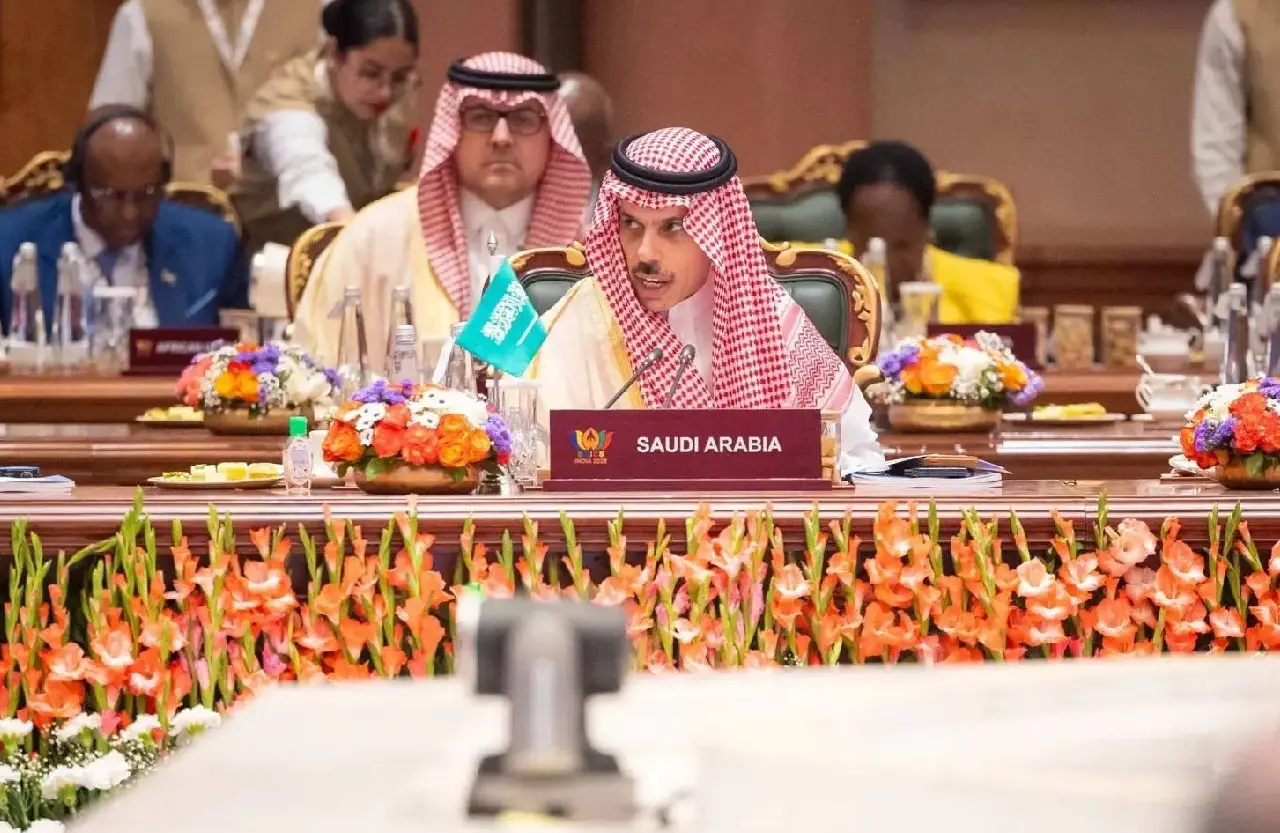
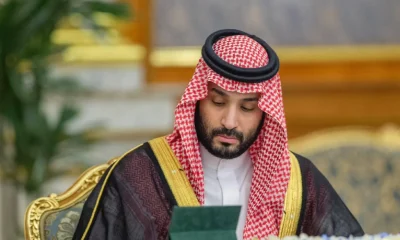
Saudi Arabia pointed out that at the BRICS 18th Summit in New Delhi, the major factor of international stability will be the observations of state sovereignty, non-interference and deescalation of the situation in the region. This was as geopolitical tensions persisted in the region, which weakens security in West Asia.
The Kingdom’s diplomatic stance emphasized on the sanctity of borders and international law, and appealed to political dialogue, rather than arms escalation. Saudi Arabia also called for coordinated measures to thwart threats that impact the security of the region and its economic stability.
Riyadh Backs Respect for State Sovereignty
One of the main discourses of Saudi Arabia’s engagement was the Saudi principle of sovereignty. The Kingdom also emphasized that the stability in the region can only be achieved by respecting territorial integrity, and the right of the states to manage their internal affairs without external interference.
It comes with a focus on a peaceful diplomatic approach to regional conflicts, in line with the broader Saudi Arabia policy of conflict resolution in the Middle East. Saudi Arabia sought to back away from confrontation and ensure that its actions did not exacerbate divisions further, instead promoting dialogue and multilateral engagement to prevent further escalation.
Saudi Arabia Supports New Delhi Consensus
Although there were various differences between the political parties as far as the participating countries are concerned, Saudi Arabia endorsed the New Delhi Declaration along with any other BRICS member. A consensus was reached on “maximum restraint” in the continuing tensions in West Asia.
The declaration also called for safeguarding civilian infrastructure and IAEA protected nuclear facilities. Under such pledges, Saudi Arabia is especially interested in attacks or disturbance that threaten the supply lines for its oil and gases and the economic future of the region.
Protecting Energy and Supply Chain Stability
The ongoing conflict in the region has shown how conflict can disrupt energy markets, as well as international supply chains.The region’s ongoing conflict has increasingly illustrated the impact of conflicts on energy markets and international energy supply chains. Prolonged instability has had economic implications with the rise in oil prices and infrastructure attacks.
Saudi Arabia’s significance in BRICS in the end brought regional diplomacy into the realm of global economic security. Riyadh’s involvement in enhanced multilateral cooperation to safeguard the flows, energy supply chains and stability of the international markets.
Riyadh Rejects Unilateral Economic Pressure
Saudi Arabia also joined the group. BRICS in regard to ‘unilateral coercive measures’, ‘sanctions and trade restrictions’. The talks pointed to the ripple effects of the economy on the targeted countries.
Trade and financial shocks can have an impact on food security, investment and economic recuperation for developing economies. In Riyadh, the point made was that world cooperation and closer predictable economic relations was important.
Strategic Role for Saudi Arabia
Please be aware that Saudi Arabia’s involvement at the New Delhi summit underscores the country’s evolving position in geopolitical and multilateral politics. The Kingdom is promoting a discourse on sovereignty, on regional stability and pragmatic cooperation, while asserting its strategic interests.
Riyadh is trying to help provide political room to solve regional crises while preventing them from pushing broader economic and energy markets into turmoil through backing de-escalation and collective security principles.
FAQs
Was there any Saudi support in the New Delhi Declaration?
Yes. Saudi Arabia along with other BRICS countries endorsed the New Delhi Declaration and the concept of ‘maximum restraint’.
Why is energy security important to Saudi Arabia?
Energy security is important because the region’s instability and attack on energy infrastructure may lead to disruption of energy corridors and energy supply chains and international markets.
Don’t Miss These Stories
What is planned at Zayed National Museum for Emirati Women’s Day?
Zayed National Museum Announces Emirati Women’s Day Long Weekend Programme
How can you set up Starlink for desert camping and RV trips in the UAE?
How to Set Up Starlink for Desert Camping & RV Trips in the UAE?
How can you buy FIBA World Cup 2027 tickets?
How to Buy FIBA World Cup 2027 Tickets: Ticket Passes and Venue Map Guide
What agreements have Saudi Arabia and Syria signed on transport and logistics?
Saudi Arabia and Syria Sign Four Pacts to Expand Transport and Logistics Ties
What are the best winter holiday destinations for GCC residents?
Best Winter Holiday Destinations for GCC Residents





UAE Encourages Food Industry to Participate in Global Water Dialogue

Kuwait Urges Unified Global Response to Terrorism and Financing

Trade Deal Talks Concluded Between UAE and Thailand

Etihad Suspends Riyadh Flights After Houthi Attacks

Lusail Circuit Opens Volunteer Applications for 2026 MotoGP and Formula 1

UAE and Saudi Arabia Seek to Strengthen Rail and Infrastructure Integration
-
 Reports6 hours ago
UAE and Saudi Arabia Seek to Strengthen Rail and Infrastructure Integration
-
Entertainment6 hours ago
Lusail Circuit Opens Volunteer Applications for 2026 MotoGP and Formula 1
-
 Entertainment1 week ago
10 Must-See Concerts and Shows Coming to UAE This October
-
 News1 week ago
Inside Story of the Dubai-to-Tel Aviv Flydubai Emergency Diversion