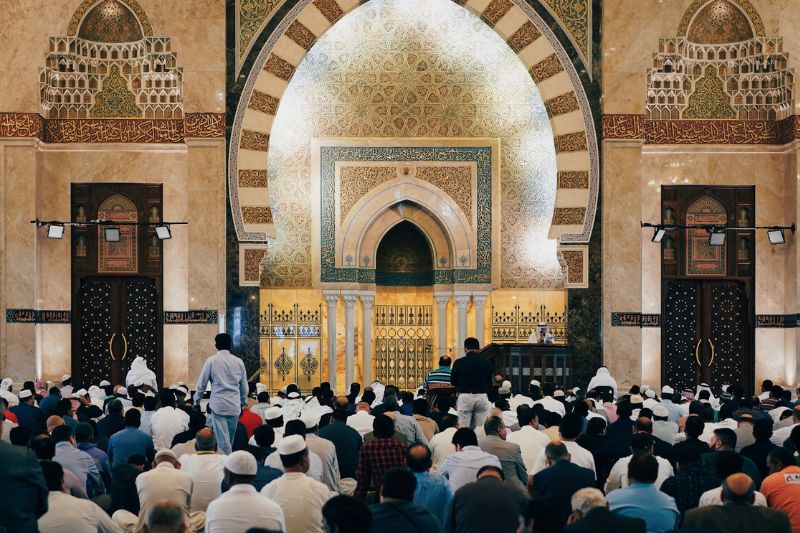
The sacred month comes with commitment and it can be tiresome to have to work full time and at home. You are able to stay productive and stay focused on your spirituality without becoming burnt with the right approach.
Managing Your Energy While Fasting at Work
When you are fasting at work, energy management is crucial. Begin to accomplish the most challenging of all of your tasks during the early morning when you are most focused. Whenever feasible, discuss with your employer to shift your working hours or even have brief restful breaks rather than a regular lunch break. Light stretching or a short walk would stop the midday slump. A medical practitioner has viable advice on how to safely fast, especially when it is under medical conditions.
Official Updates:
Time-Saving Ramadan Meal Prep Tips
Cooking must never be a stressing factor after a heavy workday. The best way to prepare Ramadan meals is to do a weekends batch-cooking. Make protein-rich dishes such as grilled chicken, roasted vegetables and quinoa that can be ready-made to prepare Iftar in a very short period. In the case of Suhoor, concentrate on overnight oats or boiled eggs that will save the time in the morning. Always ensure that you eat in a balanced manner including hydrating foods to avoid serious dehydration and keep you going.
Creating a Sustainable Ramadan Routine
A regular Ramadan schedule grounds your day. Sleep is important and therefore one should take a nap during the day and retire to bed after Tarawih prayers. In the process of breaking your fast consume dates and water as a safer drink to quench thirst before you proceed to eat your main meal, which is prepared in advance.
FAQs
Q: What are the best foods for Suhoor?
A: Focus on complex carbohydrates, proteins, and healthy fats like oats, eggs, and avocados. These foods digest slowly, keeping you fuller for longer.
Q: How can I stay focused at work while fasting?
A: Schedule heavy cognitive tasks for the morning, take short screen breaks, and stay away from physically demanding tasks during peak afternoon hours.
Q: Can I freeze meals for Iftar?
A: Yes! Soups, stews, and marinated meats freeze beautifully. Prepare them in bulk and reheat them during the week to save precious time.