Opinion
How the War Is Boosting Oman’s Economy?

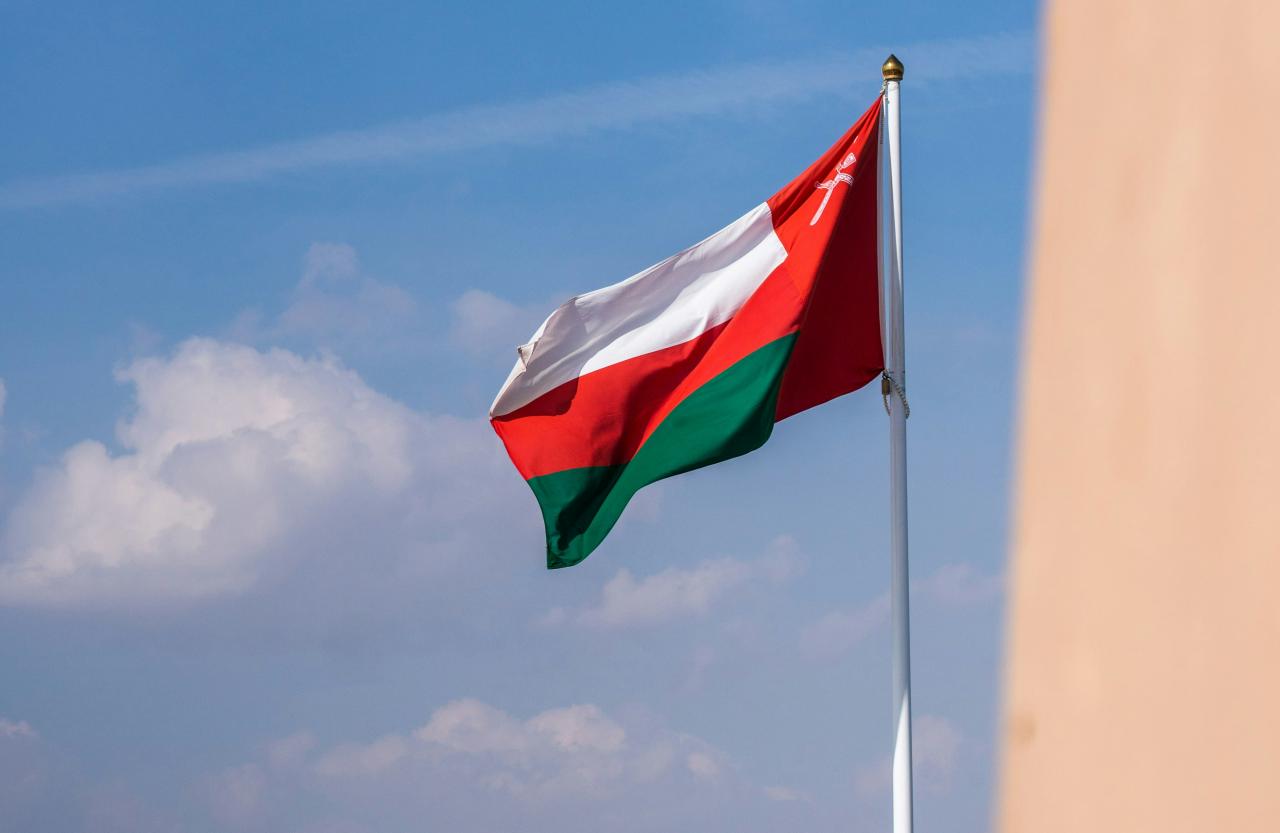
Regional conflict is driving economic uncertainty throughout the Middle East, but Oman’s geographic location, energy resources and neutrality as a nation may raise some positives. With shipping lines disrupted and regional businesses facing a reevaluation of their shipping routes, Omani ports and industrial zones may benefit from attracting more business. But these gains will not occur if the disruption is of long duration or if the costs of importing and transporting exceed the benefits.
Oman’s Economy Gains From Strategic Port Locations
However, with the Strait of Hormuz becoming a risky shipping route, Oman’s geographic location on the Arabian Sea and Indian Ocean presents a benefit to its ports, including Salalah, Sohar and Duqm.
These facilities can provide alternative cargo and transshipment means to help deal with disruptions in logistics operations. But further business does not just happen: whether in fact there is an economic return will depend on the capacity, insurance and size of rerouted traffic.
Oman’s Economy Benefits From Energy Revenues
A strong global oil/gas price will boost the public finances of Oman by boosting export earnings, helping repay public debt and providing space for investment in infrastructure. The country’s ability to participate in sea borne trade routes even outside the Strait of Hormuz can also be important to assure exports during a crisis.
But price increases are not a guarantee of bigger overall economic benefits, especially if the shipping, security and import costs also increase.
Oman’s Economy Attracts Investment Through Neutrality
Oman’s policies could make them more attractive for business looking for a more predictable hub for regional operations. Firms diversify supply chains, and SPs seek more resilience in these chains through supporting their investments in warehousing, logistics and industrial investments in SEs with or without locations (such as Duqm).
But this opportunity requires more than just neutrality; investors will consider other factors, such as infrastructure, operating expenses, regulations, and access to markets. The transition of short-term rerouting to long-term investment will depend on continued progress on economic diversification and reliability of services.
Oman’s Economy Faces Import Costs and Long Term Challenges
Changes related to conflict are not certain. The country is heavily reliant on imports of commodities and manufactured products, and an increase in commodity prices, freight and insurance rates can increase the cost of goods to those who import them, which includes the cost of goods to households and businesses.
The pressure can be partially mitigated by an increase in port volumes and/or energy-related revenues, but short-term price hikes will not solve a growth problem. Move of money towards stress reduction of debt, infrastructure and Oman Vision 2040 will help convert short-term gains into more resilient and diversified long term growth.
Explore Five Important Oman and Regional Stories
How Is India and Oman’s New AYUSH Information Cell in Muscat Strengthening Health Cooperation?
What Could Oman’s New Space and AI Partnerships With the UK Mean?
What Is Driving Sultan Haitham’s Visit to the UK?
Why Does the Strait of Hormuz Matter for India-Oman Security and Trade?
What Do Six New Trade Agreements Mean for Omani and Bahraini Companies?





Lana Nusseibeh Pledges ‘Relentless Practicality’ in UN Leadership Bid

3 Sentenced to Death in Kuwait Over Assassination Plot, Iran Espionage

Saudi Crude to Be Stored in Singapore From Second Half of 2027

Prince Khalid bin Salman Leads Saudi Delegation for Iran Defence Talks

How the War Is Boosting Oman’s Economy?

Ballon d’Or 2026 Winners: Harry Kane and Alexia Putellas Claim Top Honours
-
 Reports5 days ago
Oman Announces Four-Day Public Holiday for National Day
-
 News7 days ago
King Charles Praises Oman’s Peace Efforts in Middle East During Sultan’s State Visit to UK
-
 News6 days ago
Oman and UK Forge New Partnerships in Space, Artificial Intelligence
-
 Reports1 week ago
UAE Foreign Minister Sheikh Abdullah Holds Talks With Russia’s Lavrov