Trends
12 Culture Shocks People Experience After Moving to the GCC

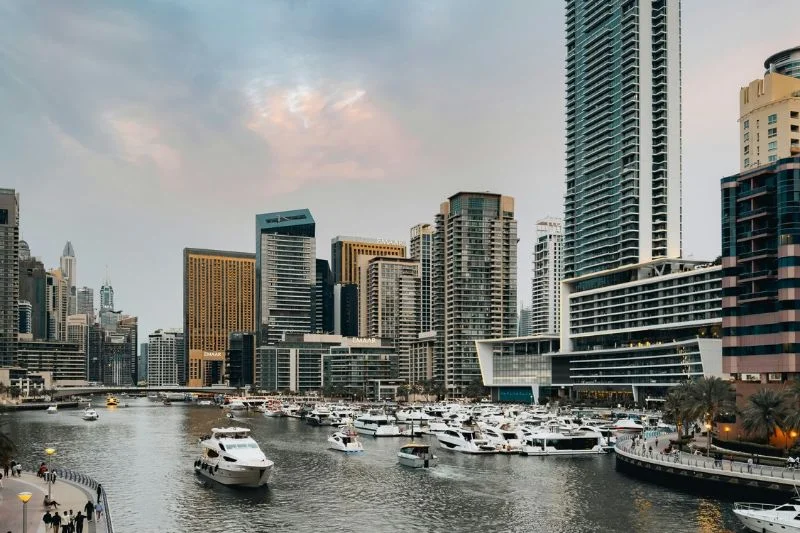
The GCC economic region, which encompasses UAE, Saudi Arabia, Qatar, Kuwait, Bahrain and Oman, provides a range of career advancement opportunities, state-of-the-art infrastructure and tax benefits.
But new employees frequently find themselves faced with some surprising culture shock issues such as heat and humidity, social norms, workday schedules, legal issues and so on. These 12 culture shocks are a real eye opener for the expats and must be understood when settling in the Gulf.
1. Culture Shocks GCC Expats Face in Multicultural Cities
Dubai and Doha are major cities as they attract people from south Asia, Europe, Africa and many other parts of the world. The majority of the workplace has English as the working language and much of the social world is conducted in the English language, making for an international situation. Newcomers may need to work harder to grasp local customs and get involved with other nationals such as the Emiratis and Saudis, as well as other Gulf nationals.
2. Extreme Summer Heat Changes Daily Life
In some parts of the GCC, temperatures can reach more than 45°C in summer, which makes it difficult to stay outdoors for long periods of time. People tend to do their errands during cooler times of the day, and are more likely to spend time in air-conditioned areas. The opposite of summer is winter, however, when it is nice to enjoy the outdoors to eat, go to the beach, camp and spend time with loved ones.
3. Powerful Air Conditioning Everywhere
All homes, offices, shopping centres and public transport use air conditioning. The difference in temperature between outdoor conditions and warm/cool indoors will be an unexpected shock for newcomers. You can always have light jackets or cardigans handy which makes it convenient, even in the hottest months in GCC.
4. Shopping Malls Become Social Destinations
GCC malls are more than virtually all retail stores. There are many that have cinemas, aquariums, entertainment facilities, restaurants, and indoor recreational facilities. In summer they are a well-frequented opportunity to enjoy a family outing, meet in groups or go for walks at dusk.
5. Widespread Access to Domestic Services
Many cities in the gulf have domestic workers, drivers, cleaning services and grocery delivery services. This can alter day to day activities for those new to the area. Service entitlements are, however, not only available but affordable and domestic workers’ rights and fair employment conditions still matter.
6. Residency Paperwork and Administrative Procedures
When relocating to the GCC area, one might require a residency permit, ID, employment approvals, utility registrations, etc. A process varies from country to country and may involve the use of several documents or official appointments. Residents’ ability to meet these requirements is often facilitated by employer-supported administrative staff known as PROs in some parts of the region.
7. Weekend and Working Week Differences
Hours are different depending on the Gulf States Countries. In UAE, normal workdays are Monday to Friday and Friday has significance as a day for congregation prayers, mainly in the federal government. Working hours and schedules of weekends may differ in other countries and private companies check.
8. Public Etiquette and Legal Boundaries
It’s important for new residents to become familiar with the rules of local conduct, right to privacy and Internet usage. Offensive language, stalking another person with a camera and publishing defamatory and privacy-invading material can lead to legal issues. Restrictions may also apply to public expressions of affection, so make sure to be sensitive to local sensitivities.
9. English Is Widely Used, but Arabic Matters
In tourism, retail, business and other daily activities, Arabic is not the language needed to operate day-to-day; it is English that is the medium of communication. Nevertheless, Arabic is the official language in the GCC nations and is a key part of identity. Use greetings and expressions like “Salam Alaikum” and “shukran” to enhance rapport building.
10. Ramadan Transforms Everyday Routines
Working hours, business and social activities may become different during the time of Ramadan. Muslim do not eat or drink from dawn until dusk and it is expected that residents will obey local rules on eating, drinking and smoking in the public during daylight hours. Construction families unite after dark with iftar-gatherings, night markets and late night eating.
11. Traditional Gulf Hospitality Is a Social Tradition
One of the key aspects of the Khaleeji culture is hospitality. Dates, and Arabic coffee (gahwa) are usually served upon arrival in a house, or at an assembly. Being flexible on accepting their gestures and respecting their customs to ease engagement in building meaningful relationships.Being flexible on accepting what they are willing to offer and respecting their customs; helps newcomers to build a meaningful relationship.
12. Expat Friendships Can Be Temporary
The opportunity to meet people from different parts of the world because of the foreign workforce in the GCC. Job migration, contractors ending contracts, moving to other countries can have a negative impact on friendships, however. Hobbies, community groups and community events provide and can build connections, providing a broader social network for immigrants.
Explore More Must-Reads
What Drives Vision 2030 EV Growth?
Explore how electric vehicles are shaping a greener GCC future under Saudi Arabia’s Vision 2030 initiatives.
Which Mega Projects Lead Vision 2030?
Discover the most ambitious mega projects transforming Saudi Arabia’s landscape and economy.
How Budget 2026 Supports Vision 2030?
Check how Saudi Arabia’s 2026 budget fuels growth and revenue under Vision 2030 plans.
How Vision 2030 Changes Gulf Jobs?
Explore how Vision 2030 is reshaping job markets and career opportunities across the Gulf region.
What Defines Riyadh’s Vision 2030 Lifestyle?
Discover how urban development is transforming lifestyle and living standards in Riyadh.


How Much Does Hajj 2027 Cost? 7 Expenses Pilgrims Should Budget For

12 Culture Shocks People Experience After Moving to the GCC

From Desert to Development: 7 Turning Points That Transformed Saudi Arabia

From Dubai to Doha 15 Ways to Celebrate Halloween Across the GCC

8 Eerie Places Across the GCC Surrounded by Mystery and Local Legends

12 Traditional Gulf Snacks That Pair Perfectly With Arabic Coffee
-

 Reports2 days ago
Oman Announces Four-Day Public Holiday for National Day
-
 Reports6 days ago
UAE Foreign Minister Sheikh Abdullah Holds Talks With Russia’s Lavrov
-
 News3 days ago
King Charles Praises Oman’s Peace Efforts in Middle East During Sultan’s State Visit to UK
-
 News2 days ago
Oman and UK Forge New Partnerships in Space, Artificial Intelligence