Opinion
GCC’s Next Big Opportunity Is Improving Everyday Life

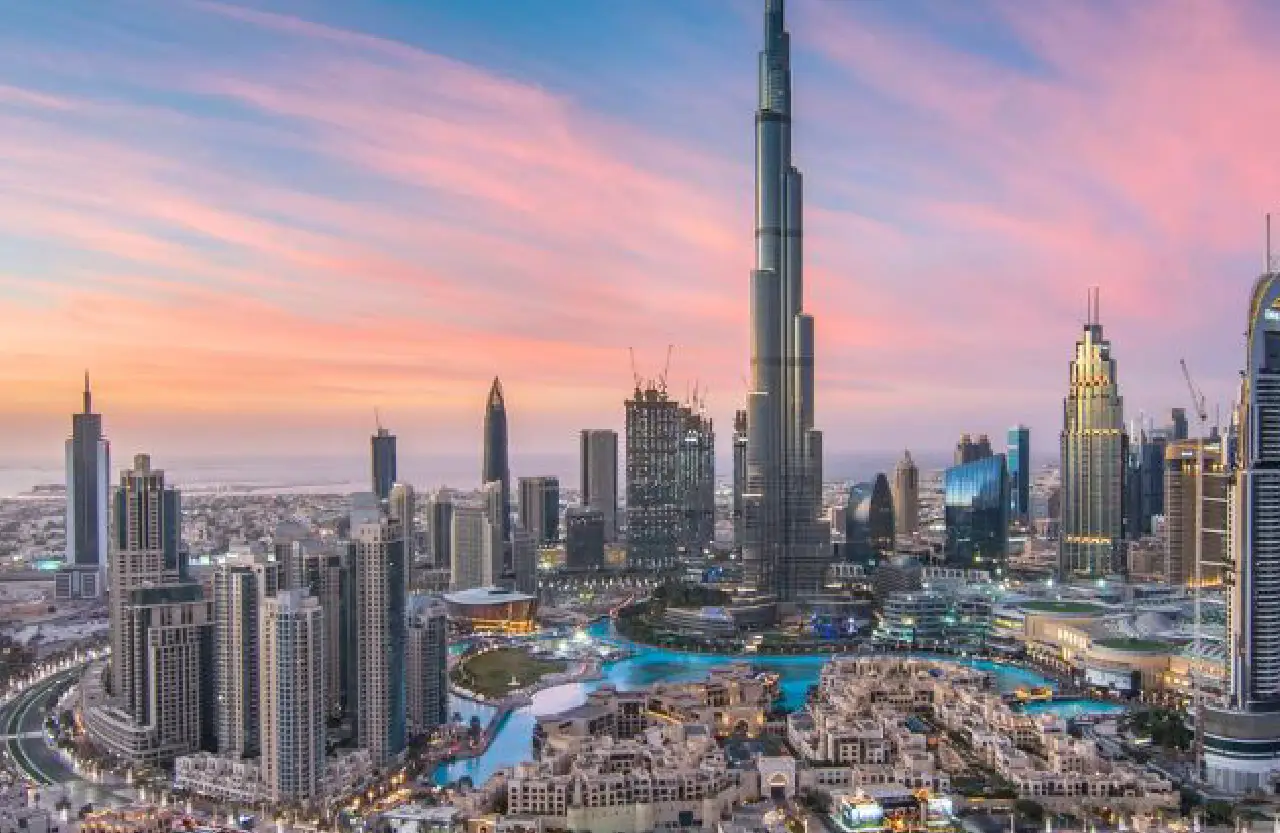
The economic transformation of the Gulf’s success has been acknowledged by the spectacular megaprojects, airports, skyscrapers and tourism destinations. The next wave of GCC competitiveness, however, will not be so obvious. It will be quantified if residents can get to work easily, and if they are able to receive health care, engage with the government and enjoy their communities.
This is a change of the paradigm from- bigger to better. Convenience is increasingly an economic asset as Saudi Arabia, UAE, Qatar and Oman vie to attract world-class talent, investors, and long-term residents. Any city can be as appealing as a city with an amazing skyline if it cuts down on the daily hassle.
From Megaprojects to Micro-Livability
The growing model in the GCC is more focused on walkable areas, the use of public transport, greenery, community spaces and convenient entertainment. Examples of how urban planning can make homes, places to work, retail, and leisure areas more connected are seen in place in Msheireb Downtown Doha and Sultan Haitham City.
The 15-minute city concept is especially pertinent for the Gulf. Compact and connected communities may alleviate some of these road pressure times, and make nature and local amenities such as parks, shops, schools and public to and from transit more accessible in a traditional car-friendly area.
Healthcare Must Move Closer to Residents
Livability is also related to health. To boost local wellness centres, health promotion, mental health services and digital healthcare in addition to primary investment in larger hospitals, GCC cities can focus investment on neighbourhood-based wellness centres, health promotion, mental health services, and digital health services.
This strategy could be effective not just in health care but also in other sectors that will benefit. Better health equates to less loss of productivity to employment and family responsibilities and better access to preventive services, which helps achieve productivity objectives central to national economic diversification policies.
Digital Government Can Remove Everyday Friction
Furthermore, cleaning-up the bureaucracy is another key opening. The UAE government systems like platforms and apps that are aimed at achieving this same objective illustrate how digital services can minimize the need for paper and physical visits.
The next challenge is the integration one. Consumers feel increasing pressure to have housing, licensing, banking- and other critical services function synchronously, readily and across digital platforms. Convenience is now turning into an infrastructure.
Neighborhoods Could Become the New Lifestyle Economy
The entertainment environment is also undergoing transformation in the Gulf. While mega-malls and attractions continue to be significant, it is crucial to emphasize neighborhood cafes, farmers’ markets, sports facilities, cultural events, and community spaces that can foster a stronger relationship between residents and their immediate environments.
Especially for foreigners, these routines can shape the impression a city makes on you and determine if it’s temporary or truly habitable. This is relevant as skilled professionals are needed to be retained longer in the GCC countries.
Real Competition Is Quality of Life
It’s been proven that the GCC can be constructed on a massive scale and in a very short time. The next test will see how it adapts to make commonplace life interesting.
The advantage that this area has could perhaps be the most convenient way to get to work, the quickest government service, health care the least inaccessible, and the most pleasant neighborhood.
FAQs
What do you mean by a 15 minute city?
A 15-minute city is a city in which other crucial elements like shopping, job sites, recreation and community facilities are achievable in about 15 minutes, when walking, cycling or public transport.
What can be done and realized with Digital Government to enhance the quality of life?
Digital government platforms can additionally lessen paperwork, waiting time and physical visits by permitting the residents to finish key administrations on the web.
Will megaprojects be less significant?
The success of megaprojects in supporting tourism and investment and economic diversification will increasingly be caught up in linking to the everyday needs of residents.



UAE Encourages Food Industry to Participate in Global Water Dialogue

Kuwait Urges Unified Global Response to Terrorism and Financing

Trade Deal Talks Concluded Between UAE and Thailand

Etihad Suspends Riyadh Flights After Houthi Attacks

Lusail Circuit Opens Volunteer Applications for 2026 MotoGP and Formula 1

UAE and Saudi Arabia Seek to Strengthen Rail and Infrastructure Integration
-
 Reports7 hours ago
UAE and Saudi Arabia Seek to Strengthen Rail and Infrastructure Integration
-
Entertainment7 hours ago
Lusail Circuit Opens Volunteer Applications for 2026 MotoGP and Formula 1
-
 Entertainment1 week ago
10 Must-See Concerts and Shows Coming to UAE This October
-
 News1 week ago
Inside Story of the Dubai-to-Tel Aviv Flydubai Emergency Diversion