
Top Stories
What is Development Band 5? Deconstructing Qatar’s Clean Sweep in the 2026 World Bank Report

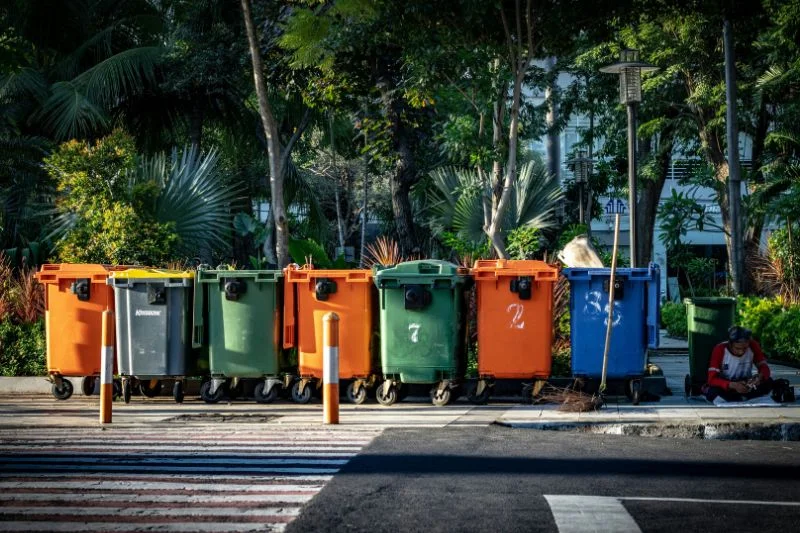
The Qatar Government has successfully taken a significant step towards sustainability and is a top performer in the field of municipal solid waste management in the MENA region, having earned this top tier recognition from the World Bank. World Bank ranked Qatar and Oman in the highest in the overall ranking in Development Band 5 (DB5).
This achievement is the result of decades of investments in the development of waste infrastructure, environmental policy and technologies for resource recovery. Qatar’s waste management system is more advanced than the disposal practice across most countries and offers a better solution for Qatar than relying on landfills, which is done in most other countries.
What Is Development Band 5?
According to the World Bank’s waste management benchmarking system, the highest performing level of performance is Development Band 5. The countries that achieve this level of development have well established, effective and environmentally friendly waste management systems that comply with international standards.
To be eligible for DB5, countries need to ensure provision of universal municipal waste collection and elimination of uncontrolled dumping, safe treatment and disposal systems, and countries are encouraged to recover resources as far as possible by reusing as much as possible through recycling, composting and energy generation.
Why Qatar Earned the Highest Ranking?
The World Bank pointed to Qatar’s success in collecting 100% of its municipal waste to Qatar while at the same time the country keeps a comprehensive track of the waste treatment process.
There are nations around the world that continue to struggle with sanitation issues and inefficient waste management systems but Qatar has created a well-regulated and highly-developed waste management environment that guarantees that municipal solid waste are collected, processed, and treated with advanced technologies. This holistic method not only helps to minimize the impact on the environment but also enhances operational efficiency.
Mesaieed DSWMC: The Heart of Qatar’s Waste System
One of the key reasons why Qatar has soared in terms of success and achievement is the Domestic Solid Waste Management Centre in the town of Mesaieed.
It is the first and biggest integrated waste treatment plant in the Middle East, treating over 2,300 tons of municipal wastes per day. The facility uses automatic separation, composting, and waste material recovery technology to minimize the dumping of processed waste in landfill at around 95%.
The remarkable landfill diversion rate is a testament to the ingenuity of modern infrastructure in diverting waste from landfill and recycling valuable resources.
Waste-to-Energy Supports Sustainability
The waste-to-energy facility is one of the more impressive aspects of this facility. As opposed to the normal idea of garbage disposal, non-recyclable refuse is transformed into electricity that can produce about 50Mw a day.
This renewable energy is connected to Qatar’s national electricity grid, and it is equivalent to the electricity needs of almost 47,000 families, and mitigates the greenhouse gas emissions from traditional landfills. This project demonstrates direct impacts of waste management to national energy security and sustainability.
Supporting the Circular Economy
The World Bank, which is based in Washington DC, added that Qatar’s system meets the criteria required for municipal waste collection and management as defined by the United Nations Sustainable Development Goal Indicator 11.6.1.
Qatar is building the basis for a circular economy that turns waste into a resource and reduces the amount of waste sent to landfill. This approach can be promoted as both an economic and climate change strategy.
FAQs
What does the Development Band 5 Mean?
World Bank’s waste management framework has 5 levels, Band 5 represents highest level of development. It acknowledges those countries which have advanced waste collection, treatment, recycling and reuse systems as per international best practices.
What is the amount of the electricity generated by the waste-to-energy-plant?
The WTE plant produces about 50 MW of electricity every day equivalent to the electricity consumption of about 47,000 homes and cuts landfill waste and greenhouse gas emissions.
What does “landfill diversion” mean?
Landfill diversion translates to the percentage of waste diverted away from landfills by being recycled, composted or used for energy instead. Around 95% of processed municipal wastes are diverted away from landfill waste in Qatar.
Explore More Must-Reads
What Drives Vision 2030 EV Growth?
Explore how electric vehicles are shaping a greener GCC future under Saudi Arabia’s Vision 2030 initiatives.
Which Mega Projects Lead Vision 2030?
Discover the most ambitious mega projects transforming Saudi Arabia’s landscape and economy.
How Budget 2026 Supports Vision 2030?
Check how Saudi Arabia’s 2026 budget fuels growth and revenue under Vision 2030 plans.
How Vision 2030 Changes Gulf Jobs?
Explore how Vision 2030 is reshaping job markets and career opportunities across the Gulf region.
What Defines Riyadh’s Vision 2030 Lifestyle?
Discover how urban development is transforming lifestyle and living standards in Riyadh.


UAE Flights Today: Latest Cancellations, Delays and Schedule Changes at Major Airports

US Approves Possible Sale of 48 F-35 Fighters to Saudi Arabia

Kuwait Army Chief Joins Paris Meeting on Lebanon’s Security

Dubai Announces New Standards to Improve Workers’ Accommodation

Indian PM Modi and UAE President Sheikh Mohamed Discuss Ways to Deepen Strategic Partnership

Museum Effect: How Abu Dhabi Is Redefining Soft Power?
-

 Trends1 week ago
iOS 27 Release Date Confirmed: Apple’s New iPhone Update Arrives September 14
-
 News1 week ago
Bahrain International Airshow Postponed to 2028 Amid Regional Conflict
-
 Reports1 week ago
Unified GCC Visa Opens New Tourism Opportunities for Kuwait
-
 News1 week ago
Saudi Arabia Welcomes IAEA Consensus on Syria’s Nuclear File