
News
The Safest Open Routes and Wadi Avoidance Guides Following the Barka Flash Floods

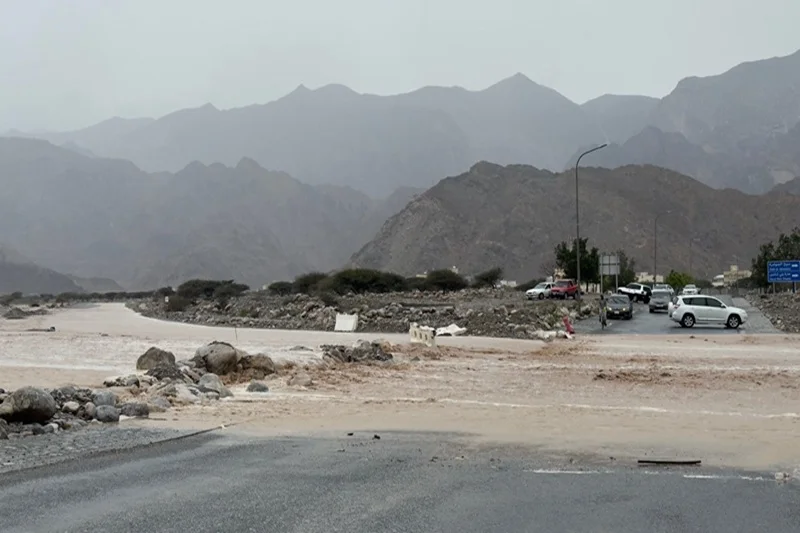
In South Al Batinah, the recent Al Masarrat depression caused unprecedented rainfall in Oman in March 2026 which was very severe. In submerged riverbeds, which are one of the main causes of tragic deaths, it is essential to have knowledge of how to maneuver the situation after the event has taken place, which is of immense importance to every motorist.
Identifying Secure Transit Options After Heavy Rains
The key highways and mountainous roads are often closed down abruptly when there are severe storms. The government takes active actions to block roadways to dangerous areas to avoid the situation when vehicles are stuck on the road. To ensure your safety, it is vital to constantly monitor official channels like the Royal Oman Police (ROP) to locate verifiable secure transit options. Using revised digital maps and government broadcasts will ensure that you do not get into waterlogged places.
Essential Valley Crossing Precautions
Civil Defence and Ambulance Authority (CDAA) estimates that the reason behind weather-related emergencies is the most common, as the majority of people decide to drive through the fast-moving water. Taking strict valley crossing precautions is non-negotiable. The flow of water should not be underestimated; a few inches of running water will have a disturbing effect on heavy vehicles (4×4) and carry them away easily.
Legal Consequences and Traffic Regulations
The government of Oman has put stringent efforts to discourage careless driving in case of extreme weather conditions. The overflowing areas are criminal offenses in Article 49 of the Traffic Law. According to local news sources, such as Muscat Daily, the violators will be sentenced to up to three months in prison and a fine of 500 OMR. This takes time before you want to protect yourself see to it that water levels have gone down.
The Civil Aviation Authority (CAA) weather alerts will allow staying updated on the events and planning your trip in a responsible way, as well as preventing any dangerous scenarios.

FAQs
What is the legal penalty for driving through a flooded riverbed?
Under Article 49 of the Omani Traffic Law, drivers who intentionally enter dangerous water flows face up to three months of imprisonment and a fine of up to 500 OMR.
Which areas were most affected by the recent storms?
South Al Batinah, specifically the Wilayat of Barka and Wadi Al Maawil, experienced severe water surges that disrupted major roads and caused tragic casualties.
How can I find out if a road is closed?
Motorists should follow the official ROP social media accounts and local news broadcasts for live traffic diversions and road closure announcements.
Is it safe to cross if I drive a heavy 4×4 vehicle?
No. Authorities strongly warn that no vehicle, regardless of its size or weight, can withstand the unpredictable hydrodynamic force of rapid water currents.


UAE Flights Today: Latest Cancellations, Delays and Schedule Changes at Major Airports

US Approves Possible Sale of 48 F-35 Fighters to Saudi Arabia

Kuwait Army Chief Joins Paris Meeting on Lebanon’s Security

Dubai Announces New Standards to Improve Workers’ Accommodation

Indian PM Modi and UAE President Sheikh Mohamed Discuss Ways to Deepen Strategic Partnership

Museum Effect: How Abu Dhabi Is Redefining Soft Power?
-

 Entertainment1 week ago
Where to Watch Practical Magic 2 in Dubai and Abu Dhabi: Best Cinema Experiences
-
 News1 week ago
UAE President Welcomed With Official Reception at Villa Borsig in Berlin
-
 Reports1 week ago
UAE and Germany Launch Strategic Dialogue as New Agreements Are Signed
-
 Reports1 week ago
Saudi FM Faisal bin Farhan Joins International Space Summit in Paris