News
Silent Frontlines: How the 2025 Global Press-Freedom Report Spotlighted a Deadly Crisis for Journalists

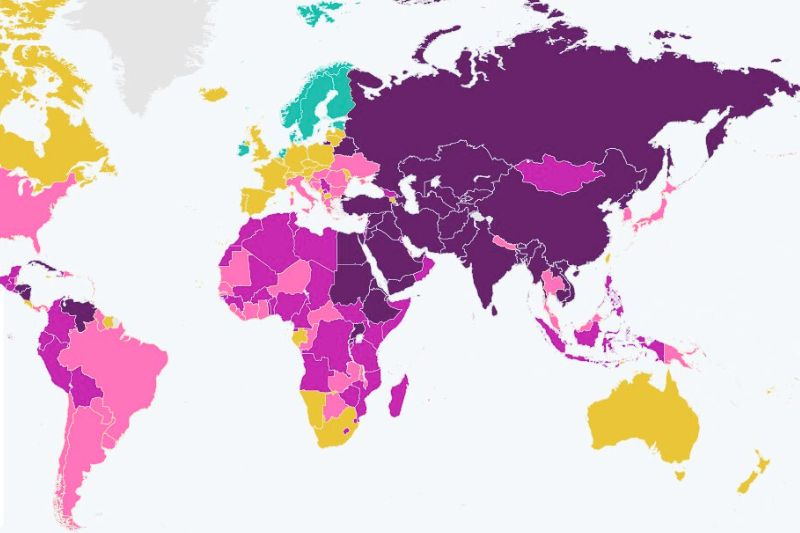
A New Alarming Chapter in Global Journalism Safety
The 2025 Global Press Freedom Report turned its spotlight on the increasing threats that journalists endure in conflict zones. One of the overwhelming outcomes of the report is listing Israel as the deadliest entity against the press in 2024-2025, which has caused anxiety among international freedom of speech and human rights organisations, as well as media watchdogs. Besides death tolls, the report uncovers the pattern of escalating dangers for those journalists who report on the Israel-Gaza conflict. For more news updates, visit our Gulf Independent News page.
Why This Year’s Report Stands Out
The current issue of the report focuses on the large rise in the deliberate killing and injuring of journalists. Although such a situation in war zones has been around for some years, the number and the repetition, as well as the locations, which the report indicates, mark a new era of the issue. The reporters on the ground shared the news of their increased threats, their being less able to move, and their being less able to get to safe ways. The report shows that these problems have led to what it calls “one of the most dangerous reporting environments in history.
Israel Emerges as the Leading Killer of Journalists in 2025
The report points out that most of the journalists’ deaths were recorded in the regions where the Israeli military had been operating during the time of the conflict, which was the cause of the report period. Among the victims are local news reporters, foreign correspondents, and freelancers who report on the level of the humanitarian crises. According to the writers, a sizable portion of the deaths happened even though the journalists’ vehicles or persons were well-marked, they were wearing protective gear, and they had already informed the authorities. The identification of Israel as the deadliest aggressor is solely based on the ground based on the data collected from the interviews, the analysis of the satellites, and the investigations of the independent.
The Way the Conflict Turned Into a Press Disaster
The journalists employed in the area had to face not only direct attacks but also were put in the dark regarding communications, and they could not escape the war zones. Several of them were forced to use the last of the stocks, and this network was also vulnerable; they had to take their security into their own hands. The report refers to the instances of staff in media houses, and among these journalists, continuing with their activities, while their offices, homes, and even the shelters in which they happened to be were under attack. It further goes on to record more instances in which journalists are detained or missing, thus augmenting another layer of fear for press supporters worldwide.
International Reactions to the Findings
The responses from around the world have been very prompt. The media unions have come up with requests for international investigations of immediate effect, whereas the rights groups have been demanding enforcement of support measures for correspondents reporting in war zones. Some countries have been urging for talks at the global level to find ways of ensuring the security of journalists while they work in dangerous areas. The report itself stays clear of pointing out political agendas, thus leaving the decision to the governments, organisations, and the public.
The Numbers Are Not the Only Thing The Report Is Worth
Aside from the numbers, the report shares real stories of journalists who dared to continue their broadcasts during the shelling, those who saw their colleagues die while they were on the same job, and those who, for the sake of documenting what is happening, departed their families. Mostly, these stories represent the emotional and psychological suffering of the most exposed reporters. The experiences of these people are an important reminder of the necessity of journalists who provide clear and immediate information from the areas of conflict.
This Is the Future of War Reporting
The uncovered facts forced the media outlets to consider the safety measures of their employees, the methods of reporting done remotely, and the planning for unexpected situations. Besides, it brings out the issues of whether the continuation of journalism at the front lines is still feasible and if it should even be further pursued. In case the crises keep changing, and the risks get higher, then the protection of the reporters might ask for really extending cooperation among different nations, support and encouragement means, and laws to be enforced that have never been there before.
Global Attention Is Needed for the Crisis
The 2025 Global Press-Freedom Report is like a loud alarm call. It reveals not only the problem of the jeopardised safety of journalists, but also, which is even more important, the problem of the public’s access to information that is becoming more and more difficult. If the report does not point to any particular side or draw any conclusions beyond the data, it certainly does not remain silent about the crisis that begs for immediate action: journalism is one of the targets, and the losses are getting too big to be overlooked.


Nobel Prize 2026 Winners Full List Categories and Achievements

From Abu Dhabi to Brussels: Europe’s Growing Focus on the Muslim Brotherhood and Cross-Border Security

Top 10 Staycations and Overseas Trip Options for UAE Families During Nine Day Half Term School Break

UFC Fight Night Doha Tickets Go on Sale: Guide on Ticket Price, How to Buy Tickets and Attend the Event

Saudi Aviation Authority Confirms 1 Dead, 11 Injured on Sunday Riyadh Airport Attack

UAE Flight Suspensions Extend Across Saudi Arabia
-

 Reports3 days ago
UAE and Saudi Arabia Seek to Strengthen Rail and Infrastructure Integration
-
 Entertainment3 days ago
Lusail Circuit Opens Volunteer Applications for 2026 MotoGP and Formula 1
-
 Reports3 days ago
Kuwait Urges Unified Global Response to Terrorism and Financing
-
 News3 days ago
Trade Deal Talks Concluded Between UAE and Thailand