
News
Travel Chaos After Ethiopia Volcano Erupts: India–UAE Flights Suspended, Gulf Nations Advise Caution

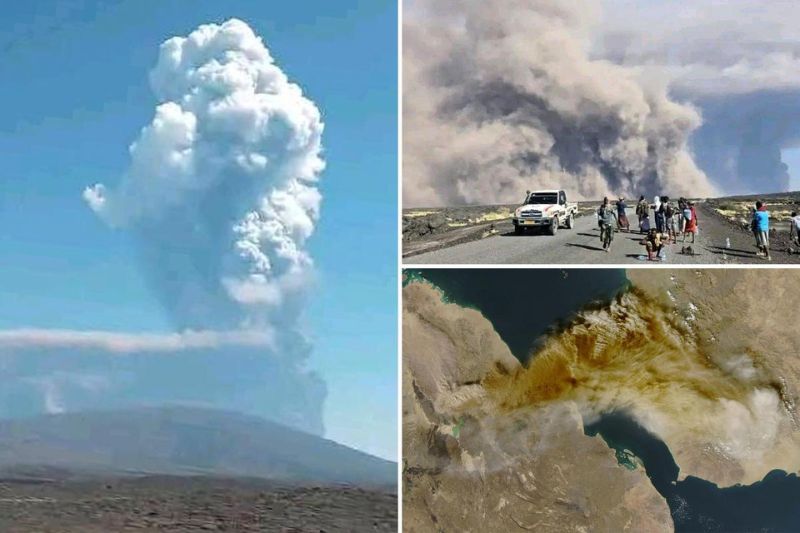
The Ethiopia Volcano Eruption has come out of the blue and caused a massive disruption in travel across various parts of the world, particularly with respect to the travel between India and the UAE. The ash clouds that are passing through the main airways have made airlines cancel or reroute some of the flights, thus causing delays, long queues, and safety warnings. Saudi Arabia and other gulf countries have put alerts to both tourists and locals and requested them to beware of the weather and airspace advisories. Passengers should remain ready to keep adjusting to more changes as the aviation authorities combat risks. This emerging scenario highlights how travel to the world is prone to natural occurrences. For more news updates, visit our Gulf Independent News page.
India–UAE Flights Suspended as Ash Clouds Disrupt Air Routes
The eruption has brought about thick volcanic ash in important air routes that India UAE carriers use. To maintain the situation on the safe side, a number of flights were cancelled or greatly rerouted to evade dangerous airline conditions. The authorities highlighted that volcanic ash is very dangerous to the engines of the aircraft, visibility, and in-flight systems thus immediate suspension of the operations in the impacted areas.
Airlines flying between Dubai, Abu Dhabi, Delhi, and Mumbai issued notices to inform passengers about the delay, the possibility of rebooking, and getting back their money. The travelers were advised to go to airports and see real-time updates as schedules were not very stable, because of unpredictable movements of ashes.
Shipments of cargo have been affected as well, especially perishable goods and e-commerce products. According to the aviation experts, it is only after proper assessment of airspace through checking visibility and engine-safety conditions that normal operations can resume.
Gulf Nations Issue Safety Advisories for Residents and Travellers
Although the eruption was experienced in Ethiopia the effects were felt widely in the Arabian Peninsula. Saudi Arabia and Oman released official safety bulletins that cautioned the residents about air quality issues. Even though ash concentration at the ground level is less, those with respiratory complications were strongly encouraged to remain at home when there is poor quality of air.
The travel departments in these countries also issued information to the travellers that were flying in and out of the affected areas. The passengers were encouraged to adhere to the guidelines of the local authorities, pay attention to the official sources, and make sure that their travel insurance covers natural-disaster-related inconveniences.
The movements of the ash in the area are closely monitored by the meteorological agencies. The weather forecasters speculate of disruptions every 48-72 hours with the winds moving along the Red Sea. Gulf countries stressed that to stay safe and reduce additional traveling havoc, cautionary measures should be taken.
How Travellers Can Stay Prepared
The volcanic activity has caused uncertainty to the passengers around the world with the unexpected flight cancellations. To remain ready, travellers are recommended to:
- Frequently visit airline websites and airport alerts.
- Select alternative rebooking policies with carriers.
- Keep watch of official recommendations of Gulf countries.
- Take into account the re-planning of non-essential travel.
- Keep informed of weather conditions and ash clouds.
According to travel analysts, this proves that the digital-first approach to travel planning is in need of development, as real-time information may assist passengers in overcoming the impact of some unexpected events.
The Ethiopia Volcano Eruption is yet another incident that has shown the worldwide impact of natural disasters on the aviation and travel systems. As India-UAE flights are shut down temporarily and Gulf countries make precautionary warnings, travellers and authorities safely walk the fine line. Timely updates and preparedness is also important in ensuring that minimization of inconvenience is realized as far as monitoring is concerned.


Nobel Prize 2026 Winners Full List Categories and Achievements

From Abu Dhabi to Brussels: Europe’s Growing Focus on the Muslim Brotherhood and Cross-Border Security

Top 10 Staycations and Overseas Trip Options for UAE Families During Nine Day Half Term School Break

UFC Fight Night Doha Tickets Go on Sale: Guide on Ticket Price, How to Buy Tickets and Attend the Event

Saudi Aviation Authority Confirms 1 Dead, 11 Injured on Sunday Riyadh Airport Attack

UAE Flight Suspensions Extend Across Saudi Arabia
-

 Reports3 days ago
UAE and Saudi Arabia Seek to Strengthen Rail and Infrastructure Integration
-
 Entertainment3 days ago
Lusail Circuit Opens Volunteer Applications for 2026 MotoGP and Formula 1
-
 Reports3 days ago
Kuwait Urges Unified Global Response to Terrorism and Financing
-
 News3 days ago
Trade Deal Talks Concluded Between UAE and Thailand