
News
Currency Exchange Rates in Dubai – 2nd October 2025

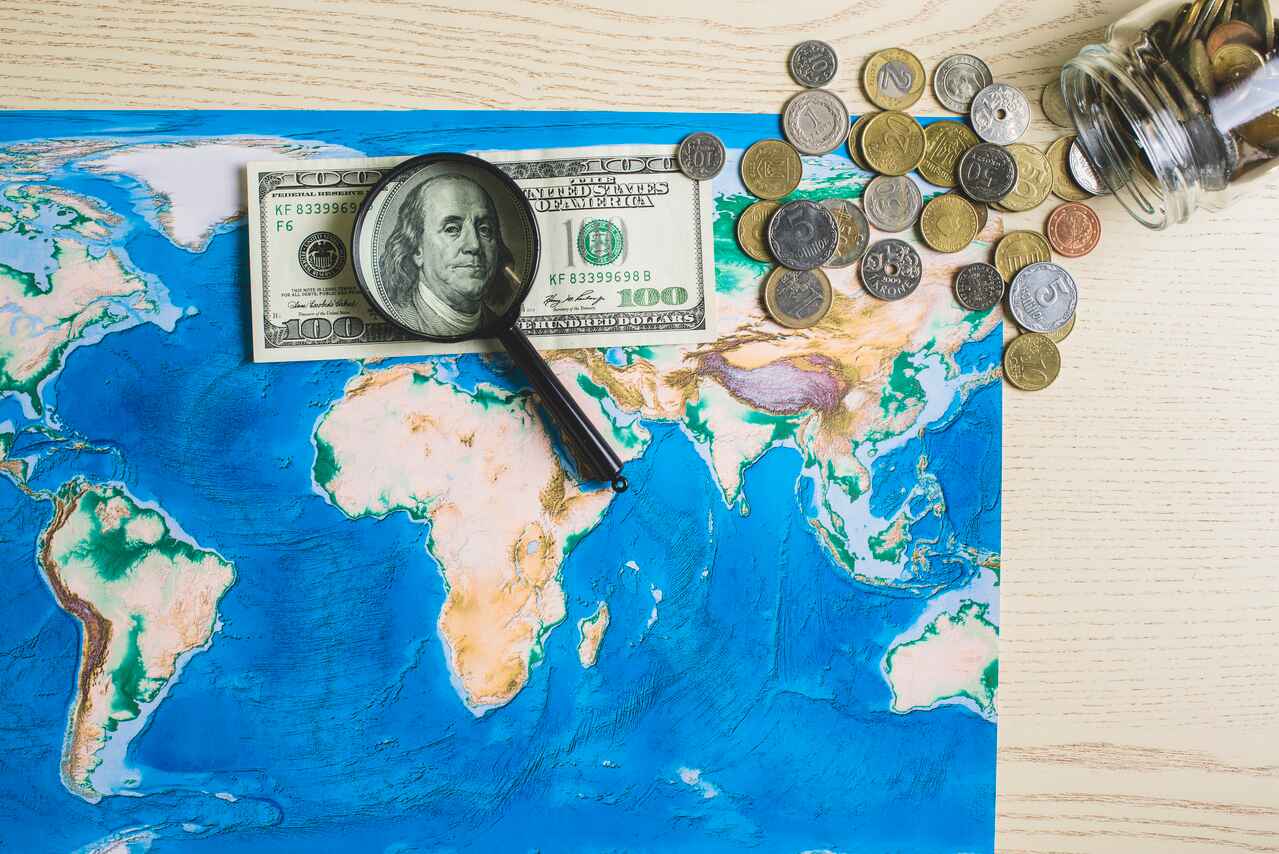
Dubai and the United Arab Emirates in general continue to be a trading, travel, and financial center in the world. Monitoring of the daily exchange rates is important to businesses, expatriates, and tourists. Dubai also posted revised currency rates against the UAE Dirham (AED) on 2nd October 2025, which included the major currencies like the US Dollar, Euro, Indian rupee, Pakistan rupee, Bangladeshi rupee, and Russian rupee. These rates are subject to the international market trends, oil prices, and regional economic policies. Tracking them assists individuals and organizations in making superior judgments about the remittances, imports, exports, and investments.
For in-depth analysis, Gulf independent News offers unbiased insights into UAE forex dynamics, exploring how oil volatility and policy shifts affect daily trading for expats and firms. Reviewing previous Dubai Currency Rates from September 30, 2025, shows the AED steady at 3.6725 per USD, with 1 AED equaling about 0.232 EUR, 24.21 INR, 77.01 PKR, 33.19 BDT, and 22.37 RUB, amid minor global adjustments. This data aids in optimizing remittances and investments across the region.
Exchange Rates in Dubai – 2nd October 2025
| Currency | Rate in AED |
| ₨1 PKR | 0.01305 AED |
| €1 EUR | 4.309 AED |
| $1 USD | 3.673 AED |
| Tk1 BDT | 0.03018 AED |
| ₹1 INR | 0.04142 AED |
| руб1 RUB | 0.04520 AED |
Market Overview
The other major currencies have performed better, with the Euro (EUR) having a value of 4.309 AED, which is one of the highest values compared to the Dirham. The US Dollar (USD), which is strongly pegged against the AED, is trading at 3.673 AED, which secures the stability of the regional markets.
The Indian Rupee (INR) has a value of 0.04142 AED in South Asia, whereas the Pakistani Rupee (PKR) is traded at 0.01305 AED, and there is a great difference between the neighboring economies. Compared to the Russian Ruble (RUB), the Bangladeshi Taka (BDT) is at 0.03018 AED, and the Ruble is at 0.04520 AED, indicating its relative strength. Global trade, oil markets, and local and international monetary policies determine these exchange movements.




Nobel Prize 2026 Winners Full List Categories and Achievements

From Abu Dhabi to Brussels: Europe’s Growing Focus on the Muslim Brotherhood and Cross-Border Security

Top 10 Staycations and Overseas Trip Options for UAE Families During Nine Day Half Term School Break

UFC Fight Night Doha Tickets Go on Sale: Guide on Ticket Price, How to Buy Tickets and Attend the Event

Saudi Aviation Authority Confirms 1 Dead, 11 Injured on Sunday Riyadh Airport Attack

UAE Flight Suspensions Extend Across Saudi Arabia
-

 Reports3 days ago
UAE and Saudi Arabia Seek to Strengthen Rail and Infrastructure Integration
-
 Entertainment3 days ago
Lusail Circuit Opens Volunteer Applications for 2026 MotoGP and Formula 1
-
 Reports3 days ago
Kuwait Urges Unified Global Response to Terrorism and Financing
-
 News3 days ago
Trade Deal Talks Concluded Between UAE and Thailand