News
UAE Mediation in Ukraine Talks Gains European Validation

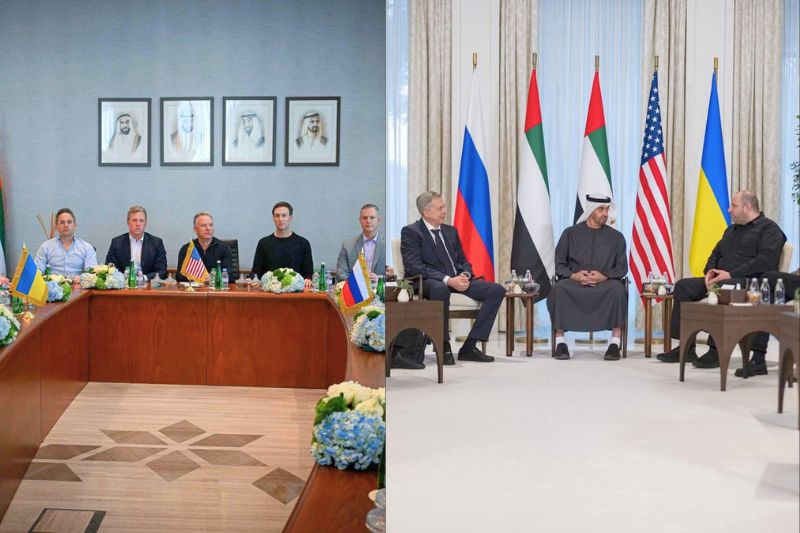
Abu Dhabi peace talks returned to focus after a European security think tank report said the UAE mediation Ukraine track now carries wider international comfort. The European Center for Counter-Terrorism and Intelligence Studies described Abu Dhabi as a neutral negotiation platform with active balance, not silence. And that detail matters. A lot. for more news updates, visit our Gulf Independent News page.
Why Abu Dhabi Was Chosen as Negotiation Venue
On January 24, 2026, the European Center for Counter-Terrorism and Intelligence Studies published an analytical piece on the resumption of official talks linked to the Ukraine conflict in Abu Dhabi, mediated by the United States. The report framed the UAE as a stable platform for negotiations at a time when most channels feel stuck. That’s the reading here, at least.
Abu Dhabi gets selected in part because it can host hard meetings without turning them into public fights. The report also pointed to a practical record: 17 prisoner exchanges involving 4,641 detainees. It is not a small number. It sounds like work done in rooms with no cameras.
A quick way to see the logic is to compare what a “neutral venue” usually means versus what Abu Dhabi is being used for now. It feels odd to put diplomacy on the table, but it helps.
| Neutral negotiation platform (typical) | Active balance platform (Abu Dhabi model) |
| Offers space, stays quiet | Hosts, manages sensitivities, keeps doors open |
| Limited trust, mostly symbolic | Trust built through delivery, including exchanges |
| Talks can break on protocol | Talks continue despite rival alliances and pressure |
The venue choice also signals something else. International acceptance is not given lightly, especially when the parties include rival capitals and strong domestic politics. But the UAE has kept communication lines steady. That steadiness is rare, and it shows.
Read more: UAE–EU Leaders Unite on Gaza, Ukraine, and Global Stability
ECCI Report and International Credibility
The ECCI report carries weight because it comes from outside the region. The centre is based in Germany and describes itself as independent, focused on security and geopolitical analysis. Its material is treated as a reference point in decision-making circles, according to the centre’s own positioning. Sometimes that external voice changes how a story travels.
The analysis said the UAE’s selection reflects broad international acceptance of Abu Dhabi as a negotiating platform. It used language around the UAE’s ability to manage complex balances in sensitive issues. This is not praise written like a greeting card. It reads like a security assessment, and that difference is important.
A few credibility points mentioned or implied by the report were simple:
- Germany-based identity gives it a Western framing, not a Gulf-only echo
- Security lens focuses on feasibility, not sentiment
- The UAE track is linked to outcomes, not speeches
- Abu Dhabi is treated as a gateway for a new phase of talks
And there is another quiet layer. When a European security think tank report speaks positively about a Middle East diplomatic hub, critics find it harder to dismiss it as self-promotion. That pushback still comes, but it loses force. Small detail, big impact.
UAE’s Balanced Relations with Global Powers
The report linked the strength of this role to the vision of the UAE President, saying the country has been turned into a reliable international mediator. It also described the UAE’s approach as rational and interest-based in how it speaks to major capitals. Not everyone likes that style, but it works when emotions are running high.
Balanced relations are the real engine here. The UAE has maintained working ties with Russia, Ukraine, and the United States at the same time. Many states claim balance. Fewer can keep it during war conditions and sanctions pressure. That’s the hard part.
The interest-based method shows up in how meetings are set up and how language is handled. It avoids public shaming. It avoids dramatic moral theatre. It sticks to what each side needs to take a step without looking weak back home. That may sound cold, but diplomacy often is.
A practical example sits in the prisoner exchange record highlighted in your brief. Those exchanges require trust, coordination, and strict handling of sensitive lists and routes. One mistake can collapse everything. So when exchanges repeat, it signals that channels remain open. Sometimes it’s the small habits that matter.
What This Means for Future Peace Efforts
The ECCI framing suggests Abu Dhabi could support a new phase of negotiation attempts, not as a miracle solution, but as a workable route. That is a big shift. It positions the UAE mediation Ukraine track as something closer to a standing diplomatic lane, not an occasional meeting spot.
Several future-facing signals stand out:
- More reliance on middle-power mediation that can speak to all sides
- Less dependence on traditional venues that now carry heavy political baggage
- Greater value placed on delivery records, like exchanges, over public statements
- More demand for rational, interest-based language when talks restart after long breaks
But there is also a risk. If talks restart and fail again, blame games follow quickly. And the host venue often gets dragged into it, unfairly sometimes. Still, the UAE’s record suggests it knows how to take heat and keep systems running. That is not glamour work.
The report also hints at a wider trend: international diplomacy is shifting toward places that can host rival parties without turning the meeting itself into the headline. Abu Dhabi fits that requirement today. Tomorrow can change, but this is where things stand now.
FAQ
1) What does UAE mediation Ukraine mean in the context of official negotiations held in Abu Dhabi?
It refers to the UAE enabling formal dialogue conditions and trusted coordination, beyond simple hosting duties, for Ukraine-related talks.
2) Why do Abu Dhabi peace talks get more attention than meetings in other capitals right now?
The venue signals broad comfort across competing powers, plus a delivery record tied to prisoner exchanges and controlled communication channels.
3) How does a European security think tank report affect international views of the UAE’s mediation role?
External validation from a Germany-based research centre makes the assessment harder to dismiss, especially in policy and security circles.
4) Is Abu Dhabi a neutral negotiation platform or an active mediator in these discussions?
The ECCI framing points toward active balance, meaning the UAE manages sensitivities and relationships while keeping dialogue practical and possible.
5) What are the chances that UAE-hosted talks can support a longer peace process for Ukraine?
The venue can support continuity and contact, but outcomes still depend on decisions by the US, Russia, and Ukraine leadership.


UAE Flights Today: Latest Cancellations, Delays and Schedule Changes at Major Airports

US Approves Possible Sale of 48 F-35 Fighters to Saudi Arabia

Kuwait Army Chief Joins Paris Meeting on Lebanon’s Security

Dubai Announces New Standards to Improve Workers’ Accommodation

Indian PM Modi and UAE President Sheikh Mohamed Discuss Ways to Deepen Strategic Partnership

Museum Effect: How Abu Dhabi Is Redefining Soft Power?
-

 Entertainment1 week ago
Where to Watch Practical Magic 2 in Dubai and Abu Dhabi: Best Cinema Experiences
-
 News1 week ago
UAE President Welcomed With Official Reception at Villa Borsig in Berlin
-
 Reports1 week ago
UAE and Germany Launch Strategic Dialogue as New Agreements Are Signed
-
 Reports1 week ago
Saudi FM Faisal bin Farhan Joins International Space Summit in Paris