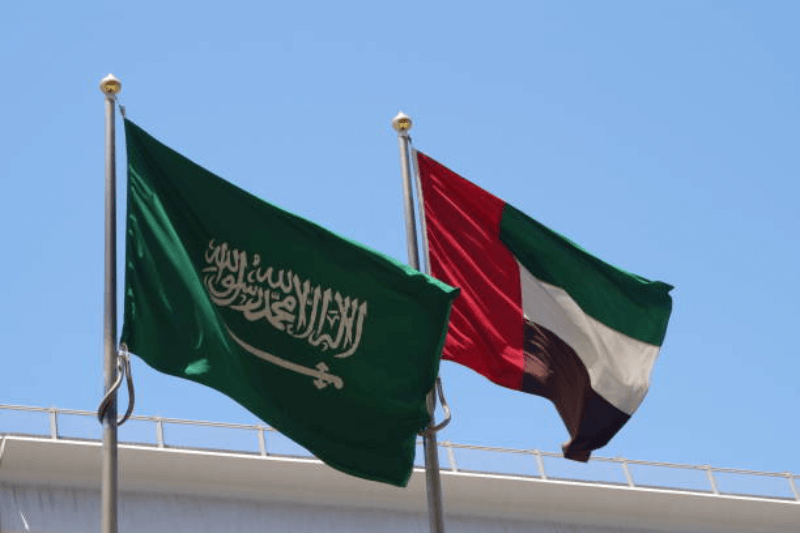
The United States has praised the sustained Saudi and the United Arab Emirates leadership in ensuring the stability of Yemen, a development highlighted in Latest Gulf News. Focusing on diplomacy against military escalation, Washington positioned the present situation as the possibility to pursue an additional step towards the political solution that should focus on civilian protection, institutional recovery, and regional security. The strategy is in line with the emerging international belief that dialogue, inclusive governance, and accountable mediation by the region is the only way to make Yemen stable. By identifying beneficial positions of Riyadh and Abu Dhabi, the U.S. had indicated that it supported concerted actions that go beyond short term solutions to the long term peace built on the political process by the Yemeni.
The fundamental aspect of the U.S. stance is the extension of a clear commitment to the sovereignty and territorial integrity of Yemen. The American officials emphasized that any road ahead needs to acknowledge the independence of Yemen and give legitimate Yemeni actors a chance to influence their political future. The following framing rejects the fragmentation and outside domination, and promotes coherent state which is supported by the effective national institutions. By joining hands with Saudi and Emirati leadership on this principle, the U.S. strengthened a mutual dedication to stability rather than anarchy and rule other than the one marked by extended conflict.
Diplomacy as the Preferred Path
Humanitarian-security framing was very evident in the statement, as the peace operations were directly associated with the safety of civilians and reduction of human suffering. Instead of short term ceasefires, Washington emphasized the fact that a permanent political solution was required to deal with underlying instability causes. The most reasonable way out of the violence was introduced as responsible diplomacy with the help of regional partners that would reduce the violence, restore the needed services, and provide conditions to the economic recovery. Such a position makes dialogue a strategic requirement, rather than an ethical decision.
The United Arab Emirates and Saudi Arabia were considered as mediators towards the security of the region. Their participation was not as an interventionist but as one that supported the international sides of stabilising South Yemen and the region in general.
Finally, the message itself was progressive and policy oriented: the future of Yemen is in continued international backing of a Yemeni led political solution. The U.S. wants to assist in moving the conflict towards consensus rather than confrontation by focusing on civilian protection, institutional development, and regional cooperation. A longer-term approach to solutions is indicative of a larger strategic concern on regional security and a preclusion of instability overflowing out of Yemen.