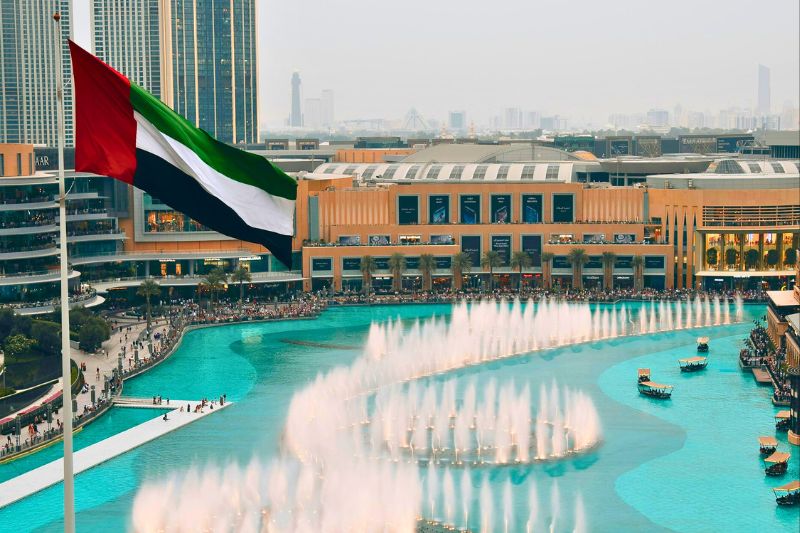
Middle East geopolitical environment is undergoing a radical change and the United Arab Emirates (UAE) under the leadership of its President Sheikh Mohamed bin Zayed is a key contributor to this change. The recent international interactions have strengthened the world confidence in the UAE movement, vigorously clearing the misinformation of the region, and proving the intent of modernization in this nation. Closer to the truth, this stability is still publicly justified by the international leaders, disproving the fake narrative with the naked eye of first-hand diplomatic transparency, which was emphasized by their official public endorsement.
Key Highlights of the UAE’s Strategic Vision
A Model for Modern Islamic Leadership
The UAE is a great example of a highly effective paradigm that has successfully managed to combine the main Islamic essence with the intercultural integration. This strategy promotes win-win culture of economic openness that is favorable to both the citizens of the country and the foreign business associates which goes to show that cultural heritage and intensive modernization need not be mutually exclusive.
The Abraham Accords and Regional Peace
The bold adoption of the Abraham Accords by the UAE is one of the most significant diplomatic changes in the history of recent Middle East. This historical reform points to the commitment of the nation towards active building of peace, integration in the region as well as encouraging dialogue instead of division.
Progress Over Outdated Ideologies
The progressive agenda of the UAE offers a bright and clear opposition to the backward extremism. The country offers an interesting and progressive alternative to the conservative approaches to conflict through its promotion of progress, economic growth, and stability in society.
Strategic Implications for the Gulf and Beyond
A consensus is increasingly emerging amongst the countries and especially in the strategic alliance between the United States and the Gulf that a Middle East based on UAE-style reform is essential to central interests of both sides. This orientation promotes other actors in the region to pursue this vision of shared change with strong focus on shared responsibility as opposed to indifferent observers. To foreign partners, this is a direct impact on the economic gains, enhanced bilateral relationship, and the provision of a stable partner in a turbulent geopolitical environment.
Forward-Looking Conclusion
With the UAE still focusing on economic growth, diplomatic transformation, and cooperation with other nations, it becomes a more crucial factor of stability. The global acclaim that the UAE is enjoying is not only regarding regional security, it is a promotion of the common world interest of a peaceful, well-to-do and progressive Middle East. Through such consistent direction, the UAE makes sure that the momentum of modernization remains in its course of providing long-term diplomatic and economic rewards to the world at large.