Tourism has emerged as a vital economic engine across the Gulf Cooperation Council (GCC), with Oman, Saudi Arabia, and the UAE leading the charge. These nations are diversifying beyond oil through ambitious GCC tourism strategies, attracting millions and generating billions. In 2025, the UAE welcomed over 45 million visitors, Saudi Arabia hit 100 million via Vision 2030, and Oman saw 4 million tourists, boosting GDP contributions to 12-15%. Investments in luxury resorts, cultural sites, and adventure experiences fuel this tourism economy, creating jobs and infrastructure while preserving heritage. for more news updates, visit our Gulf Independent News page.
UAE: Luxury and Innovation Hub
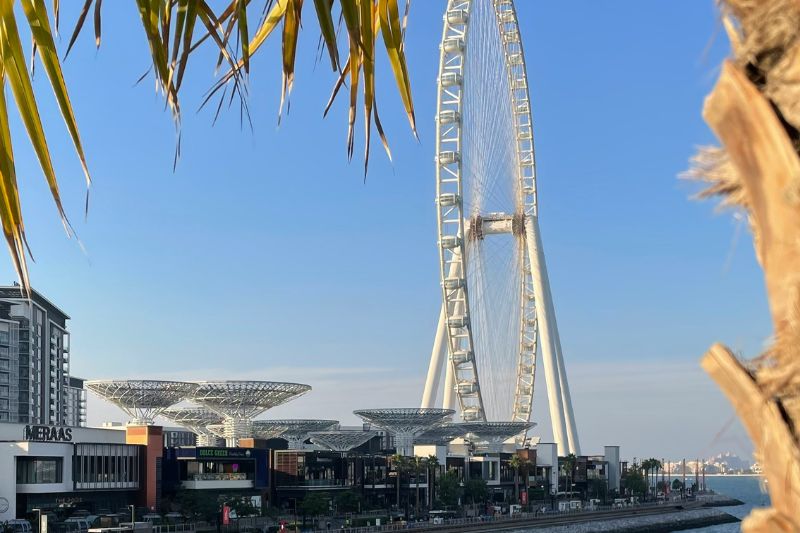
The UAE exemplifies the tourism economy at scale. The Burj Khalifa in Dubai and the Louvre in Abu Dhabi are attracting elites from around the world, and as a legacy of Expo 2020, the two cities are continuing. By 2025, tourism is projected to contribute AED 178 billion in GDP, and it will employ 1 million people. Sustainable initiatives like eco-resorts in Ras Al Khaimah blend luxury with conservation, positioning the UAE as a year-round GCC tourism powerhouse.
Saudi Arabia: Vision 2030’s Bold Leap
The UAE exemplifies the tourism economy at scale. The Burj Khalifa in Dubai and the Louvre in Abu Dhabi are attracting elites from around the world, and as a legacy of Expo 2020, the two cities are continuing. By 2025, tourism is projected to contribute AED 178 billion in GDP, and it will employ 1 million people. Sustainable initiatives like eco-resorts in Ras Al Khaimah blend luxury with conservation, positioning the UAE as a year-round GCC tourism powerhouse.
Read more: Desert Tourism and Eco-Tourism in GCC Countries
Oman: Authentic Adventure Leader
Oman thrives on niche GCC tourism, emphasizing nature and heritage. The fjords of Al Marmoom Desert and the fjords of Musandam are also appealing to the adventurers and the luxury camps in the Wahiba Sands increase the high-end stays.The GDP contribution margin of tourism in 2025 is 4.5 percent of GDP, which generated 100,000 employment. Sustainable policies protect biodiversity, making Oman’s tourism economy a model for balanced growth.
Conclusion: Lessons for Global Tourism
Oman, Saudi, and UAE showcase tourism economy success through diversification, infrastructure, and sustainability. Their strategies offer blueprints for resilient GCC tourism.