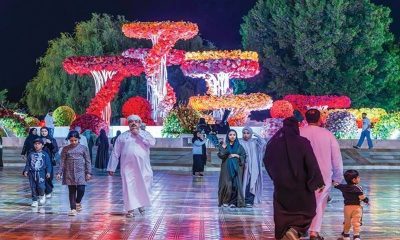
Qatar’s tourism story in 2026 is getting framed as leadership, not catch-up. Doha’s event calendar keeps moving, hotel supply keeps adjusting, and visitor services keep getting polished. The message stays consistent: growth needs discipline, not noise. That line sounds plain, but it keeps coming up in industry meetings. Sometimes the plain line wins. For more news updates, visit our Gulf Independent News page.
Qatar’s Strategic Vision Driving Tourism Growth
Policy direction sits at the centre of the push. Planning documents and public statements repeatedly tie tourism to diversification and job creation, with sustainability written into delivery targets.
Key parts of the strategic approach include:
A clear preference for year-round demand, not short spikes tied only to mega events
More licensing and support for tour operators, guides, and small experience providers
Culture-first programming that keeps museums, heritage areas, and public spaces active
Cleaner operations in hospitality, with more pressure on waste control and water use
It is structured on paper, yet the execution needs daily discipline. That part matters, honestly.
Why Qatar Stands Out as the GCC Tourism Leader
Qatar’s advantage in 2026 sits in how tightly the tourism product is packaged. Doha is compact, easy to move around, and still capable of hosting large gatherings without breaking basic city flow. That practical ease helps. And the international profile built in recent years still pulls attention.
Three differentiators show up often in industry talk:
Strong global connectivity via a major hub airport
A stable events pipeline that supports predictable occupancy
A high concentration of premium cultural assets inside a small radius
It sounds simple, but simple is hard to maintain at scale. Many places learn that late.
Sustainable tourism Qatar 2026 is not being sold as a side project. Hotels, venues, and public agencies are moving toward visible operational changes, especially around waste, energy, and transport.
Common initiatives reported across the sector:
Better waste sorting in large venues and hotels
More local sourcing in food programs for events and conferences
Tighter standards for desert activities to reduce damage to sensitive areas
More emphasis on public transport use during peak event periods
Some operators complain about added cost. Others say it reduces long-term leakage. Both points can be true.
Infrastructure and Connectivity Strengthening Qatar’s Tourism Edge
Infrastructure is doing quiet heavy lifting in 2026. Air access, city transit, and venue readiness shape visitor satisfaction more than marketing lines.
A quick snapshot helps:
Area
What Qatar offers in 2026
Why it matters
Air connectivity
Hub-style flight network via Doha
Shorter trip planning, more stopover traffic
Urban mobility
Metro and organised road movement
Less time lost, better event flow
Venue capacity
Stadium legacy plus conference venues
MICE growth stays realistic, not wishful
Infrastructure rarely feels “glamorous” in articles, but tourists notice delays fast. And they talk, even faster.
Key Tourism Segments Fueling Qatar’s 2026 Rise
Qatar tourism growth 2026 is being carried by multiple segments, not one single bet. That lowers risk. It also forces planners to keep standards consistent across different visitor types.
Each segment needs its own service culture. That’s where execution gets tested.
Economic Impact of Qatar’s Expanding Tourism Sector
Tourism’s economic value in 2026 sits beyond hotel room sales. Spending moves into food services, retail, transport, tours, and venue operations. The job impact spreads across front-line roles and skilled positions, including event production, guiding, and hospitality management. There is also a steady pull on SMEs that supply events, catering, decor, and transport.
And there is a second effect people forget. A busy tourism market pressures service quality upward for residents too. That’s not always comfortable, but it changes standards.
Challenges Facing Qatar’s Tourism Ambitions
The growth path is not friction-free. Capacity planning needs constant tuning, and price positioning needs care.
Key challenges being tracked in 2026:
Maintaining value perception as room rates move during peak periods
Protecting natural areas while expanding desert and coastal activities
Keeping service staffing consistent during high-demand weeks
Competing with nearby GCC destinations that keep adding attractions fast
A small mistake in service can undo months of promotion. That part feels unfair, but tourism works like that.
Outlook for 2026 and Qatar’s Long-Term Tourism Roadmap
The 2026 roadmap is leaning toward steady volume and better yield, not uncontrolled crowding. Event programming is expected to keep anchoring demand, while sustainable operations get tightened across hospitality and transport. The next stage looks focused on deeper experience design, so visitors stay longer and spend wider across the economy. That is the working logic in the sector.
And still, the market will judge the basics first. Clean rooms, smooth arrivals, honest pricing. Those basics never go out of style.
FAQs
1) Why is Qatar being called a GCC tourism leader in 2026?
Recognition is linked to strong connectivity, steady events, and a practical city setup that supports visitors without chaos.
2) What does sustainable tourism Qatar 2026 look like on the ground?
It shows up in waste control, smarter transport use, tighter desert activity rules, and more pressure on efficient hotel operations.
3) Which visitor groups are driving Qatar tourism growth 2026?
MICE travellers, cultural visitors, event audiences, stopover guests, and premium leisure travellers are all contributing in parallel.
4) What risks can slow Qatar’s tourism momentum in 2026?
Pricing swings, service inconsistency, environmental strain in sensitive areas, and sharper GCC competition can all create pressure.
5) What is the main outlook for Qatar’s tourism direction after 2026?
The plan favours steady demand, stronger experiences, and sustainability rules that keep growth stable across multiple seasons.




 Top Stories2 weeks ago