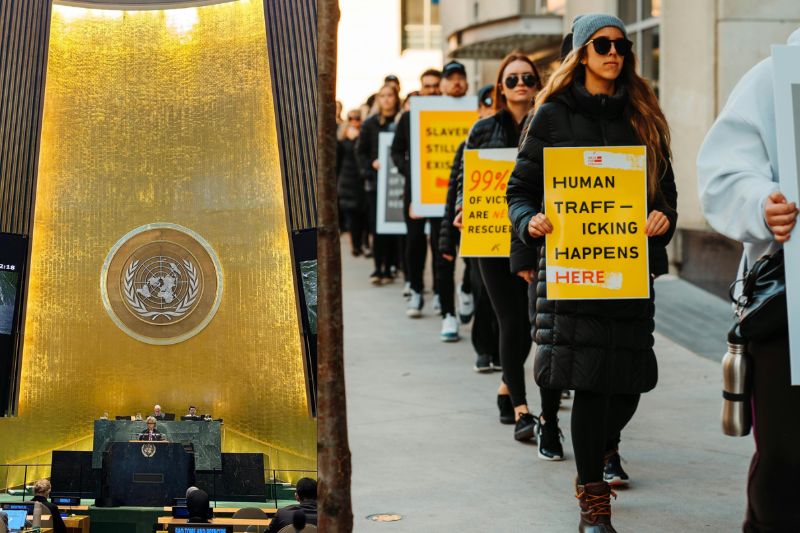
Oman has once again made it clear that it takes human trafficking seriously. At a recent UN meeting, the country backed the organization’s updated global strategy and used the moment to highlight the changes it has made at home. The message from the Omani side was simple enough: the world is dealing with newer, more complicated forms of trafficking, and national laws have to evolve if they’re going to keep up. For more news updates, visit our Gulf Independent News page.
Renewed Support on the International Stage
During the briefing, Omani officials said the UN’s revised strategy comes at the right time. Trafficking has shifted far beyond the traditional image of physical transport; a lot of it now happens through digital channels, online recruitment and cross-border networks that move quietly and quickly. They stressed that no single country can handle these cases alone. Information-sharing, cross-border investigations and coordinated policing are no longer “nice to have” but basic requirements.
For that reason, Oman expressed full support for the UN’s push toward stronger global cooperation.
A National Law Built for Modern Challenges
Oman also pointed out the updates it recently made to its own anti-trafficking law. The revised legislation includes tougher penalties and gives prosecutors clearer legal tools to pursue offenders. The definition of trafficking has been reiterated; newer forms of exploitation, especially those involving digital platforms, no longer fall through the cracks.
Officials said these reforms were shaped with input from international partners, and that aligning with global standards was one of the main goals from the beginning.
A Bigger Focus on Victims, Not Just Criminals
One part of the new law drew particular attention: its emphasis on victims. Oman has upgraded reporting channels, expanded shelter services and strengthened psychological and medical support. Importantly, the law guarantees that victims will not be penalised for crimes they were forced into. Authorities said survivors need to feel protected if they’re going to come forward; otherwise, trafficking networks remain buried.
Training the Frontline Workforce
Another key point was training. Oman has been running more programmes for police, border staff, labour inspectors and even judges so that early signs of trafficking aren’t overlooked. The new law also makes ministry-to-ministry coordination clearer, which should prevent cases from getting stuck in administrative gaps.
Part of a Broader GCC Shift
Oman’s stance fits into a regional pattern, too. Several GCC countries have been updating labour laws and anti-trafficking frameworks, driven partly by concerns around migrant worker vulnerability. Oman noted that trafficking isn’t a local issue at all; it’s global, and it needs global cooperation.
The country ended its statement by saying the work isn’t finished. Laws will need updating, and training will need to continue as traffickers adapt. But with the UN’s updated strategy and national reforms moving in the same direction, Oman believes the region is better prepared for what lies ahead.