Introduction: The Reality Behind the City’s Glitter
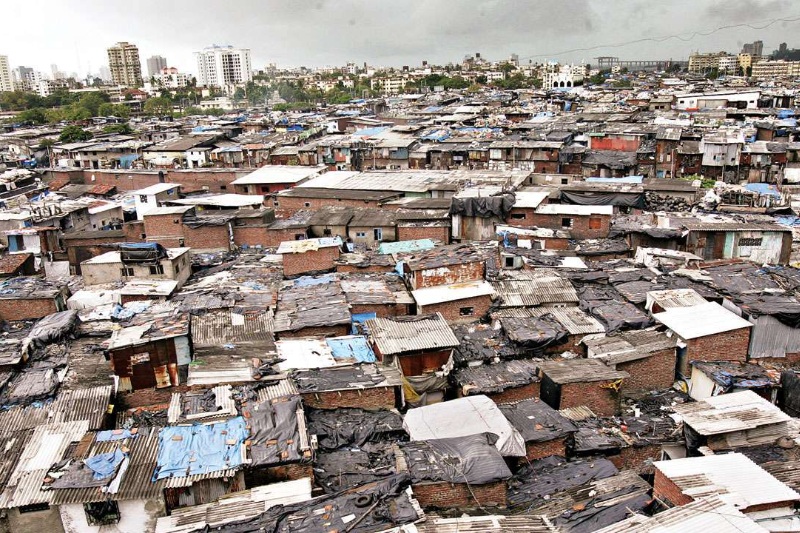
Mumbai, known as the “City of Dreams,” is also a big land of contrasts. Where it boasts towering skyscrapers along with bustling markets, on the other hand it also houses the most impoverished slums in the whole world. In 2025, these areas will still grapple with challenges such as overcrowding, inadequate sanitation, as well as limited access to basic services. Despite these issues, Mumbai continues to remain among the Most Searched Destination by Indian Travellers because of its unique mix of opportunities and struggles.
1. Dharavi: Asia’s Largest Slum
Dharavi for so long remains the most densely populated area globally. Located over 2.39 square kilometers, approximately a million people live here. Dharavi is also famous for its thriving informal economy which includes industries like pottery, textiles, and recycling.
2. Kamathipura: The Red-Light District
This place was established in 1795, named as Kamathipura is Mumbai’s oldest neighborhood. Over these years, it has become unknown for its association with the sex trade. This area is also facing issues related to crime as well exploitation, and limited access to healthcare and education.
3. Deonar Dumping Ground Slums
India’s oldest and largest dumping ground, these slums in Deonar are plagued by huge pollution along with health hazards, and a lack of basic infrastructure.
4. Vikhroli and Ghatkopar Slums
Located on hill slopes, these slums are critically prone to landslides as well as flooding during the monsoon season. The Brihanmumbai Municipal Corporation (BMC) has also requested residents to relocate to safer areas.
5. Other Notable Slums
- Mankhurd Slum: Near the Deonar dumping ground, this area is suffering from deadly pollution along with limited access to clean water.
- Saki Naka Slum: This slum is known for its high population density as well as inadequate sanitation facilities.
- Dharavi’s Adjacent Slums: Surrounding all over the Dharavi, these areas are facing similar challenges, which also includes overcrowding and lack of basic amenities.
Conclusion: A Call for Change
Where these slums are often shown as centers of resilience as well as community spirit, they are also representing the harsh realities of urban poverty.