Opinion
Hormuz to Bab el-Mandeb: How Energy Risks Shift Across the Middle East?


Two of the main sea-crossing straits, the Strait of Hormuz and Bab al-Mandeb strait have grown in importance to the energy security discussion of the global community. The vulnerability of shipping lanes between the Gulf energy producers and the world market has become apparent in the aggression from the west and the escalation of regional tensions between Iran, Israel, Houthi forces and the US. A disruption at one choke point can shift traffic to another, which could worsen the oil, gas and global trade disruption.
Maritime Route Risks: Strategic Importance of Hormuz
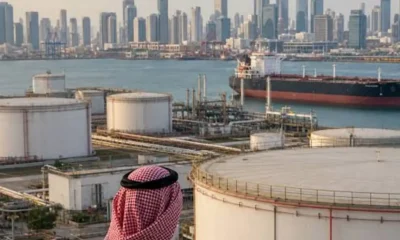
The Strait of Hormuz serves as a vital artery in the transportation of oil and other cargoes, with approximately a quarter of the world’s seaborne oil passing through and a high volume of LNG and fertiliser imports. These waters are important for the passage of the ships of the exporters in the region, including Qatar and the UAE. When the military stress and disruptions are high, day-to-day deliveries have dramatically dropped from more than 21 million barrels.
Delayed ships are not the only costs involved. When there is an increased risk of war, war-risk insurance premiums on very large crude carriers have increased, making millions of dollars more costly per voyage. Increased insurance and freight costs may make this route unfeasible for operators and therefore impact energy prices and supply reliability.
Maritime Route Risks: Bab el-Mandeb Becomes an Alternative Pressure Point
The strait of Bab el-Mandeb joins the Red Sea with the Indian Ocean and the Gulf of Aden, and is vital for shipping that heads towards the Suez Canal. It transports a large volume of global shipped containers and shipments of oil and gas.
Hormuz is deemed unsuitable for transit, exports can be redirected through Saudi Arabia’s East-West Pipeline carrying the crude oil towards the Red Sea ports of Yanbu.
But if energy is diverted to the Red Sea, it does not eliminate maritime exposure. Ships traveling via this corridor are still susceptible to attacks from around Bab el-Mandeb, where security concerns have been heightened due to attacks by drones and missiles from Houthis. This leaves a potential transfer risk but does not eliminate the transfer risk.
Maritime Route Risks: Shipping Disruptions Raise Global Costs
If there were disruption in either passage, this could put significant strain on global energy and trade networks. Other variations in shipping routes like shipping around the Cape of Good Hope can boost fuel costs, freight cost and increase delivery time by about 10 to 14 days on certain shipments. Sumed pipeline is available in Egypt, or other pipeline alternatives are available, but won’t fully supplant all maritime flows.
A combined diversion from either the Hormuz or Bab el-Mandeb straits would pose a serious threat to energy importers, manufacturing nations and food and fertiliser import-relying nations. Falling commodity prices and transportation costs would help hold down inflation, but due to some lag between the prices of essential supplies, transport costs would increase the burden on stressed economies in South Asia, Africa and Europe.
Maritime Route Risks: Gulf States Explore Longer Term Alternatives
The current infrastructure that provides access to these shipping routes is increasingly becoming vulnerable, and the Gulf countries are interested in infrastructure that would give them access to other shipping routes.
The strategic assessments talked about the possibility of a trans-desert gas pipeline to link Saudi energy facilities to the port of Duqm on the Arabian Sea in Oman. A route like that would offer an alternative avenue to the Persian Gulf and Red Sea choke pings.
But large scale pipeline ventures demand a lot of resources, regulatory and regional cooperation. They also can’t remove all of the security and logistical risks. The bigger problem for the Gulf producers is increasing their efforts to diversify exports, improve maritime security and ensure uninterrupted energy supplies amid growing geopolitical uncertainties around the region’s trading routes.
Explore Five Stories on Gulf Relations and Strait of Hormuz Security
What did Mohammed bin Rashid and the Syrian president discuss about bilateral ties?
Why is the Strait of Hormuz at the centre of a high-stakes global game?
How is the UAE preparing for a future with zero reliance on the Strait of Hormuz?
Why does Gulf security need to extend beyond the Strait of Hormuz?
Is Oman making progress on a transit deal for tankers through the Strait of Hormuz?








Hormuz to Bab el-Mandeb: How Energy Risks Shift Across the Middle East?

Is the GCC Becoming a Permanent Home for Expatriate Families?

10 Food Festivals and Culinary Experiences to Enjoy Across the GCC in November

15 Indian Restaurants in Dubai to Visit During Diwali

10 Best Places to Buy Diwali Sweets in Dubai

10 Rare Wildlife Species Found in the Arabian Peninsula
-

 Reports1 week ago
Saudi Arabia Issues Weather Warnings as Heavy Rain and Thunderstorms Loom
-
 Reports1 week ago
Sharjah Beaches Temporarily Closed as Authorities Urge Public Caution
-
 Top Stories1 week ago
6 GCC Countries, 6 Beautiful Natural Landscapes Worth Exploring
-
 Trends1 week ago
GCC Nations Meet in Bahrain to Advance Digital Government Initiatives