Opinion
GCC Railway: How the 2,100km Network Will Connect All Six Gulf States?

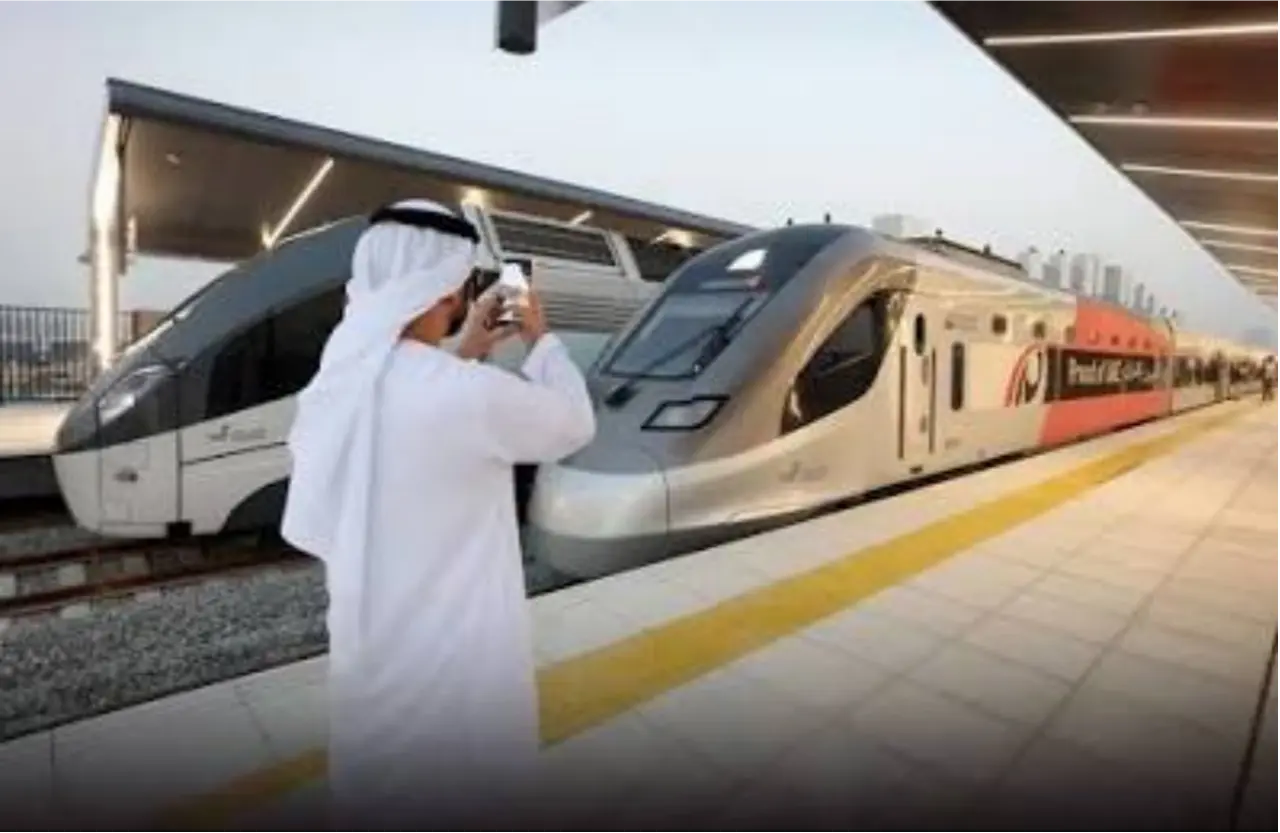
The proposed GCC Railway Network is progressing towards one of probably the most important engineering projects in the whole of the Middle East. The network is aimed at linking to the UAE, Saudi Arabia, Oman, Kuwait, Qatar and Bahrain, and is reportedly 55.9% complete with a target completion date of the end of 2030 when commercial operations will start. The project not only offers an additional way to move people, goods and business across the Gulf but can also change its mobility landscape.
GCC Railway Network Could Redefine Regional Connectivity
The railway’s biggest asset is the linkage of six national transport systems via a common corridor in the region. Routes are being laid out going to major cities and economic centres such as Kuwait City, Dammam, Riyadh, Doha, Abu Dhabi, Dubai, Sohar and Muscat.
Residents and businesses might facilitate easier cross-border journeys and reinforce connections between population centres, industrial areas and ports. The true measure of the success of national sections, however, will be whether they are parts of a single, coordinated system rather than independent railway projects.
GCC Railway Network Needs Strong Technical Integration
This is an important achievement towards that coordination that was achieved as representatives of the 6 GCC States signed the General Agreement in Bahrain. For a successful adoption of trains, common technical standards, signalling arrangements and safety requirements are absolutely needed to cross the boundaries in an efficient manner.
Passenger and freight movement will be seamless only if there are differences in national regulations, or the readiness of the infrastructure and operational procedures are solved. The agreement thus marks more than just a political agreement: it spells out the roadmap for realising a working transport network in the region.
GCC Railway Network Could Transform Trade and Freight
Economic value can be far greater than for passenger service. A connected rail corridor could provide another alternative to the manufacturers, exporters and logistics operators for the transport of goods between the markets, ports and industrial centres in the Gulf.
Railway freights can also be used as a source for diversifying transport activity, increasing transport supplies chain’s resilience and reducing reliance on road haulage for appropriate goods.
Competitiveness in pricing, consistency in schedules, and effective border processes and linkages with ports and distribution facilities will be key to these benefits. If they hadn’t made those pragmatic arrangements, the potential of the railway as a business might not have been realised.
GCC Railway Network Faces a Critical 2030 Deadline
The 55.9% completion is a positive sign, but the rest will need to be achieved through continued investment and close cooperation between governments and the railway operators.
The more important criterion for the project should be quality and cost limitations of the services it ultimately provides, not just kilometres of track built. With the six states following suit, the GCC Railway will be an integral part of regional integration, which will be put to action and not just a dream.
Explore Five Stories on Railway Projects and Travel Connectivity
How will the UAE-Jordan $2.5 billion railway project transform regional connectivity?
How much progress has been made on the Oman-UAE railway project?
When will the Riyadh-Doha high-speed railway become a reality?
Could Etihad Airways and Etihad Rail make air-and-rail travel seamless?
What baggage rules should passengers know before travelling with Etihad Rail?





Dubai Lights Up for Diwali with Cultural Shows and Spectacular Drone Displays

GCC Railway: How the 2,100km Network Will Connect All Six Gulf States?

Qatar Announces Ticket Prices for November International Football Friendlies

Saudi Arabia Opens Global Hajj Conference Ahead of 1448 AH Pilgrimage Season

Oman Selects Eight Technology Firms for US Expansion Through Numo Accelerator

UAE Non-Oil Trade Approaches AED 3 Trillion as Exports Hit Record High
-

 Trends1 week ago
Is UAE Flag Day a Public Holiday in 2026?
-
 Reports1 week ago
Dubai’s Business Ecosystem Shows Resilience Amid Regional Uncertainty
-
 Reports1 week ago
AED500 Million Dubai Project to Fund Arab Reading Challenge
-
Trends7 days ago
UAE Flag Day 2026: 7 Ways to Celebrate with Family and Friends