Gulf Cooperation Council (GCC) is transforming the healthcare in the region with a bold state funding and privatization. UAE, Saudi Arabia and Qatar are developing integrated systems which combine state of the art hospitals with e-health, telemedicine and AI diagnostics and the Bahrain, Oman and Kuwait are enhancing capacity and workforce pipelines. The outcome is reduced waiting time of complex care, increasing tertiary care and increasing confidence among patients who previously defaulted traveling to Europe or Asia. Stay updated with the latest insights — check out our Top Stories page.
Medical tourism is a strategic pillar but not an addition. The UAE sells quality elective medical services – cosmetic surgery, dentistry, IVF, orthopedics, and wellness, with concierge logistics, multilingual care team, and open pricing. Vision 2030 attracts international hospital operators and research partners in Saudi Arabia that expands oncology, cardiology, and neuroscience as well as rehabilitation and long-term care services. Qatar concentrates on specialist facilities grounded on academic medicine, sports health, and regenerative medicine, whereas Bahrain and Oman place their position on affordability and recovery stay, which are supplementary to premium hubs.
This shift is driven by three enablers. First, accreditation and quality control, JCI/CBAHI/ISO indicate safety and standards to the global patients. Second, digital layers include national health IDs, ePrescriptions, teleconsults, and cross-border second opinions that squeeze the patient journeys between discovery and discharge. Third, friction is minimized by connectivity- through major airlines, visa facilitation and medical travel offices- on behalf of regional patients in MENA, South Asia, and Africa. To maintain the momentum, the region has to develop clinical talents, localize pharma and medtech supply chains, and enhance price transparency and outcomes reporting.
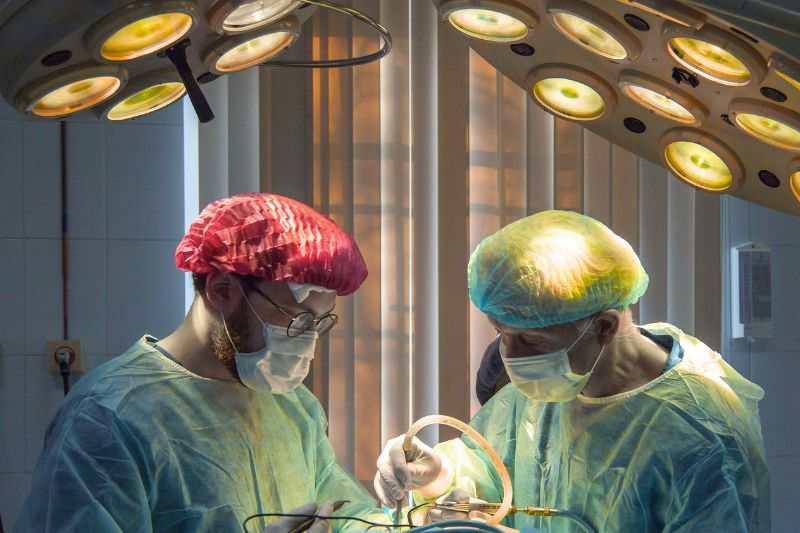
Surgery Focused: GCC systems are shifting away to capacity catch-up towards centres of excellence. The attractions of the region to advanced and elective care will continue to increase as specialties become more advanced and information becomes more open, thus patients will be taken to the world-class level of care without having to go far.