The Guide to Visiting Mecca & Medina for Pilgrims reads like a travel duty and a heart call. The pilgrimage to Mecca and Medina ties memory, scripture, and routine prayer into one route. Newsrooms still track the crowds, the hushed dawn queues, the soft shuffle on cool marble. That’s how it looks on the ground.
Understanding the Difference Between Hajj and Umrah
Hajj runs on fixed lunar dates and follows a defined arc across Mecca, Mina, Arafat, and Muzdalifah. The pace is steady, then sudden, then steady again. Umrah, by contrast, stays flexible in timing and shorter in duration, yet keeps core rites like Tawaf and Sa’i. Many families plan an Umrah outside peak months to spare elders long queues. Sensible, honestly. Both paths keep intention at the center. The paperwork and movement differ. The reverence does not.
Planning Your Pilgrimage Journey
Item
Mecca
Medina
Quick tip
Nearest airport
Jeddah (JED)
Medina (MED)
Book arrivals in the city you start with, saves transfers.
Ideal months
Nov to Feb, cooler mornings
Nov to Feb, evenings feel pleasant
Avoid peak summer afternoons, it drains energy fast.
Stay distance
300–700 m from Masjid al-Haram if possible
300–700 m from Masjid an-Nabawi
Closer rooms cost more, cut distance for elders.
Typical duration
Umrah rites 1–2 days, add rest day
1–2 days for ziyarat and prayers
Keep one buffer day, plans slip a bit.
Key rites
Tawaf, Sa’i, trimming/haircut
Salam at Rawdah, prayers, ziyarat
Pre-book Rawdah slot when available in app.
Peak crowd times
Ramadan nights, Hajj season
Ramadan nights, weekends
Go early in the morning; shorter lines, cooler floors.
Local movement
Walkways, shuttle routes, guided flow
Wide courtyards, shaded areas
Fix meeting points before prayer ends.
Packing focus
Tested footwear, hydration salts
Light layers for evening breeze
Write hotel addresses on a card, phones die sometimes.
What to Know Before You Travel
Passports with comfortable validity. Simple medical notes for routine conditions. Light cotton clothing that dries fast. Two pairs of tested walking footwear, not brand-new. A small pouch for documents that goes under a kurta or abaya. Hydration salts in a side pocket. And a written contact for the hotel in case phones die, which they do at the worst time. Some carry a tiny miswak, some prefer a travel toothbrush. Either is fine. Sometimes it’s the small habits that matter.
Experiencing the Holy City of Mecca
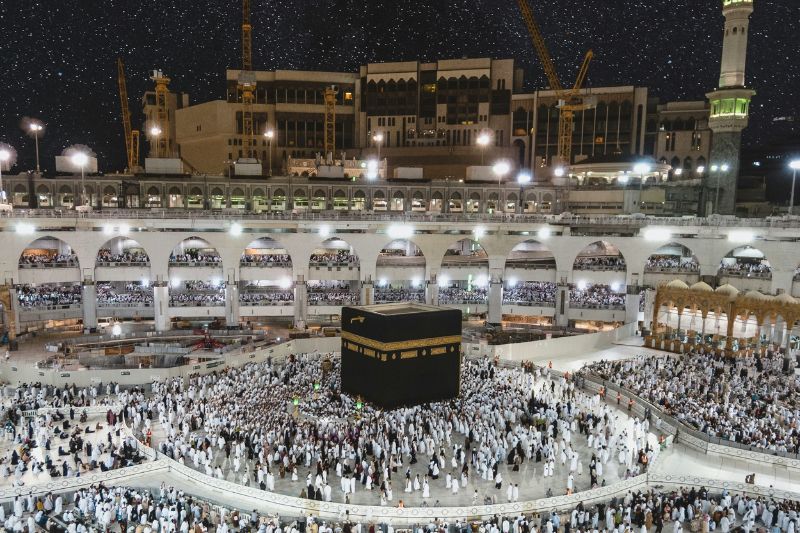
The first view of the Kaaba lands quietly. No loud music, only a low tide of voices, the hum of prayer, the click of beads. Tawaf moves like water around a rock, unhurried yet firm. Sa’i between Safa and Marwa picks up a rhythm under bright lighting and cool air, small children waking up halfway and then dozing on a parent’s shoulder. Reporters note how groups form and dissolve without fuss. A guard points a direction, a volunteer offers dates, someone whispers duas in a language not known to the next person. It fits, somehow. Maybe that is the point.
Medina slows things down. Softer light in the courtyard. A breeze that smells faintly of clean stone after Maghrib. The Green Dome draws glances and then eyes lower in respect. Lines stay orderly even in busy hours. Quba and Qiblatain receive steady footfall, no rush, just deliberate steps. Shopkeepers speak gently, wrap items with care, and still toss in that spare prayer cap for a child. Journalists who return say the calm lingers longer here. That’s their take anyway.
Etiquette and Behaviour During the Pilgrimage
Modest clothing, quiet phones, patient movement. Keep voices low inside prayer halls, keep bags compact, keep selfies limited, keep space for elders. No jostling near gates. Water stations are for all, so take a sip and move. Litter belongs in the bin, not tucked behind a pillar. A short reminder helps groups stay focused before entering. Rules look simple on paper; the crowd tests them in real time.
Practical Travel Tips for First-Time Pilgrims
Start early. Dawn slots ease the heat and shorten lines. Carry a small towel, sachets of rehydration powder, and basic plasters. Shade is not always where one expects, so a compact umbrella works. Download prayer time apps but write timings in a small notebook as backup. For currency, mix a travel card with some cash because machines can stall at peak hours. If a plan slips, pause, breathe, reset. A five-minute break saves the next hour. Many wish they had learned this earlier.
Frequently Asked Questions (FAQs)
1. How long does a typical Umrah take when planned around off-peak dates in a simple, budget-friendly way?
Most travelers finish Umrah in three to five days, including rest, with two calm days reserved for Medina, if schedules allow without strain.
2. Can elders manage Tawaf and Sa’i during crowded days in peak heat without falling completely exhausted by midday?
With wheelchairs, early timings, shaded paths, and frequent water breaks, many elders complete rites safely, though support staff should stay close.
3. Is visiting Medina compulsory for those completing Hajj or Umrah while traveling with a strict ticket window?
Not compulsory, but widely observed. If time is tight, a shorter Medina visit still brings quiet reflection and steadies the heart.
4. What clothing and footwear work best for long walking days across marble floors and sun-exposed courtyards?
Loose, breathable fabric and worn-in sandals or shoes with firm grip help. New footwear invites blisters, and that derails a day fast.
5. How do small groups keep track of each other when mobile networks slow and public spaces feel crowded at prayer exit?
Set a fixed meeting point before each prayer, share a paper map, and use a simple color tag on bags, which helps more than fancy apps.




 Top Stories2 weeks ago