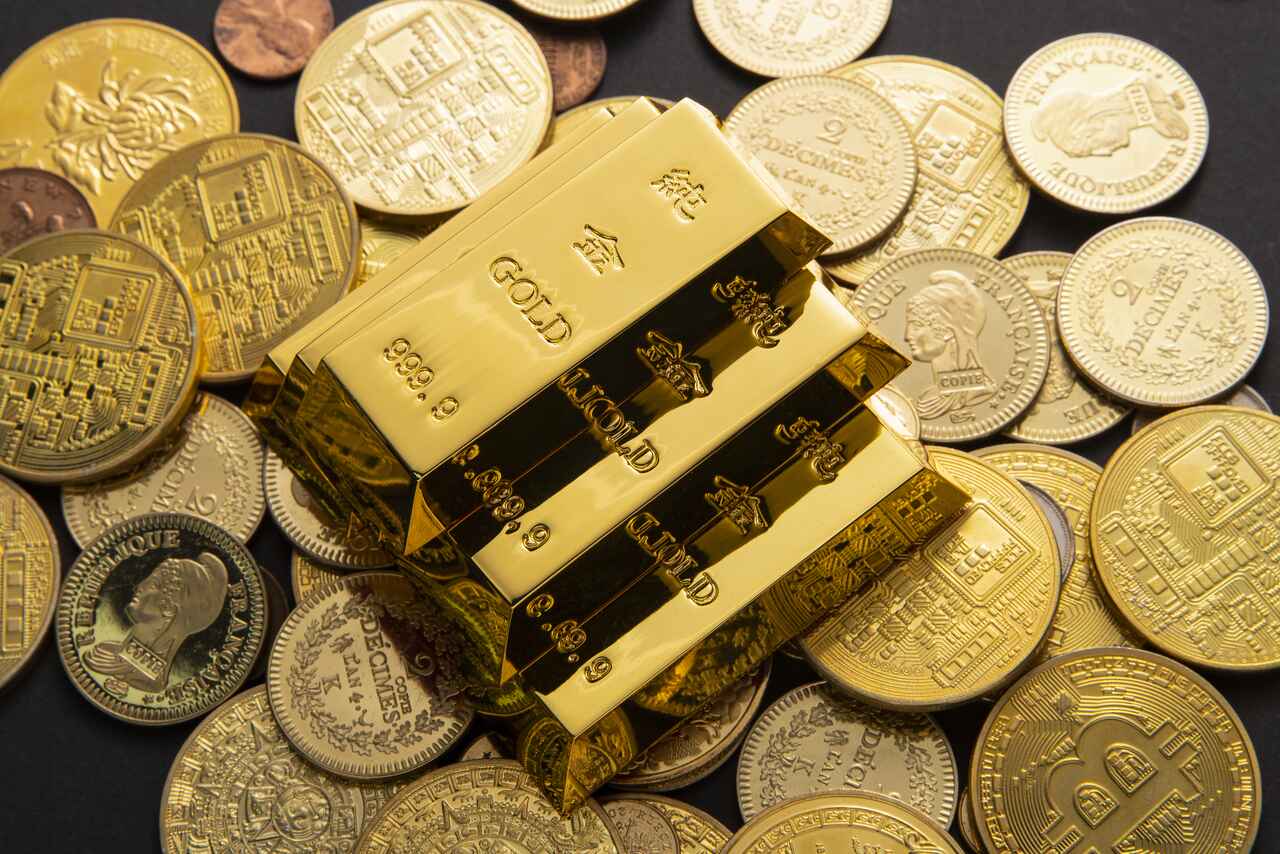
Heightened global uncertainty surrounding U.S. trade policies sent gold prices soaring in early 2025, as investors rushed to safeguard their capital. A sweeping announcement by President Trump introduced a 10% baseline tariff on all imports into the U.S., escalating up to 50% for nations with high trade surpluses. This triggered a rapid selloff in equities and increased demand for gold, which climbed from around $3,000 to over $3,100 per ounce within days.
Western investors reacted swiftly, shifting funds into gold as a defensive move against inflation and market instability. In the East, institutional buyers followed suit, while retail demand in gold-consuming nations like India and the Gulf saw a temporary dip due to high domestic prices.
Nonetheless, central banks across both regions increased their gold reserves. The surge demonstrated gold’s unique value in times of macroeconomic realignment and shifting geopolitical dynamics.
U.S. Tariffs and Their Impact
The tariff rollout, initiated in phases during April, directly impacted Middle Eastern economies such as the UAE, Saudi Arabia, and Qatar. A flat 10% tariff was imposed on refined precious metals and jewelry exports from these countries, disrupting trade flows and elevating import costs. For gold-rich hubs like Dubai, this created pricing pressure and forced traders to pivot toward domestic and Asian markets.
Importers faced slimmer margins, and speculative buying intensified as investors anticipated further policy tightening. The tariffs not only restructured export strategies but also directly contributed to rising local prices, making gold more expensive for consumers while reinforcing its status as a secure store of value.
Gold Prices in Major Gulf Countries (Last Three Weeks & Today)
- UAE (Dubai)
- Early June: ~AED 396/g (24K)
- June 13: AED 412.75/g
- Saudi Arabia (Riyadh)
- Qatar (Doha)
- June 13: QAR 400.5/g (24K)
Read Also : Trump’s Second-Term “Peace Deals” and Details
The 2025 gold surge was a direct outcome of strategic policy shifts by the U.S., impacting not only trade relationships but also commodity pricing worldwide. In the Gulf region, where gold is both a cultural asset and an economic pillar, the new tariffs disrupted traditional trade routes and elevated local prices.
While consumers may bear short-term costs, the broader market reaffirmed gold’s enduring role as a safe-haven investment in volatile times. As the global economy adjusts to shifting alliances and fiscal strategies, gold remains at the forefront of both preservation and profit.