With the Gulf Cooperation Council (GCC) gearing up for a tremendous surge in the tourism industry in 2026, the region is experiencing a tremendous movement towards the hyper-luxury travel experience. Influenced by value customers, ambitious tourism policies of countries, and mega-investments in hospitality, ultra-exclusive resorts, personal aviation, cultural immersion, and next-generation luxury, GCC tourism trends are being transformed. Such nations as the UAE, Saudi Arabia, Qatar, and Oman are competing to receive high-spending tourists by providing services that are a combination of privacy, high levels of personalization, and technology-focused services, as well as sustainability. It is these changing trends in GCC tourism that promise that there is a new dawn in luxury, as more than a service experience, luxury is now an entire lifestyle experience. For more news updates, visit our Gulf Independent News page.
GCC Tourism Trends Transforming Luxury Travel in 2026
GCC tourism trends across the region indicate the growth of the hyper-luxury infrastructure. The giga-projects are NEOM, The Red Sea, and Diriyah in Saudi Arabia, which are set to transform luxury high-end tourism with exclusive island resorts, carbon-neutral luxury villas, and customized cultural experiences. These destinations will be catered to meet the needs of high-end global tourists in need of privacy and luxury around the world.
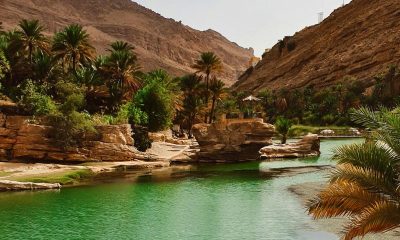
The UAE is also enhancing its dominance in luxury hospitality, with the current seven-star hotels in Dubai up to the private island resorts in Abu Dhabi. After hosting high-profile events, Qatar is developing its luxury marina areas, desert camps, and well-being resorts. Oman is making significant investments in eco-luxury: the cliff-side retreats, eco-friendly yacht experiences, and venues in curated mountain lodges attract the eco-conscious high-spenders.
This innovative GCC tourist visa will alter the dynamics of international tourism in the Middle East on a very basic level. The new system also cuts out the complicated visa requirements, which used to drive away the travellers who could not think of visiting more than one destination in the Gulf in the same trip. The new GCC tourist visa for the UAE, Saudi Arabia, Bahrain, Qatar, Oman, and Kuwait allows visitors to get to their destination countries (destinations) in a single process.
Wealthy passengers are increasingly demanding private aircraft, a concierge, tailor-made collections, chartering a luxury yacht, and Air-Cruise vacations. This is in line with the new trends in GCC tourism, where personalization and exclusivity are not used as a premium add-on but fundamental requirements.
Why Hyper-Luxury Travel Is On the Increase across the Gulf.
A number of factors combine forces to drive hyper-luxury to the top of the GCC tourism trends:
The UAE is a great place to visit, no matter what you want to do, whether it’s enjoying luxury, thrilling sports, nature, or art and history.
1. Economic Diversification Objectives
All GCC countries are speeding up the development of tourism in order to stop depending on oil revenues. High-value tourism is considered to be a sustainable long-term economic bloc.
2. Boom in High-Income Travelers
GCC has access to the affluent tourists in Europe, East Asia, and North America- populations that are ready to spend high prices in order to have an exclusive experience.
3. Growing International Demand for Privacy and Exclusivity
After the pandemic, private spaces, remote locations, and customized services have become more preferable in the post-pandemic habits – the GCC has strengths in these spheres.
4. Hospitality Innovation Breakthroughs
Intelligent hotels, biometric check-in, artificial intelligence concierge, self-driving vehicles, and high-end sustainability are now becoming the key components of the best destinations.
5. Megabuildings of Tourist Services
The billion online tourism projects of the Gulf are incomparable with any other in the world, starting with island mega-resorts, and continuing with futuristic cities.
Consequently, the GCC tourism trends show a market-driven focus in which the concept of hyper-luxury is no longer a niche but rather a local identity, which is based on high-quality service provision, spectacular architecture, storytelling of cultures, and state-of-the-art technology.




 Top Stories2 weeks ago