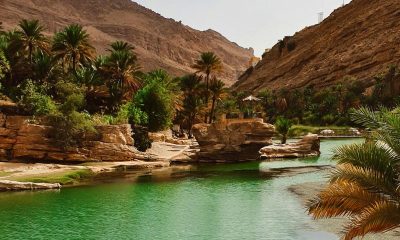
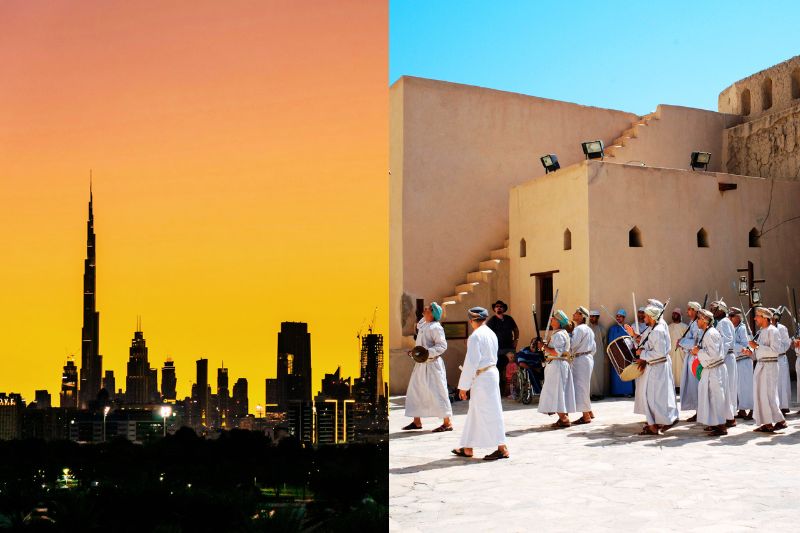
Walk through a souq in Muscat, then drive twenty minutes and you’re in a city of glass towers, smart highways, and cafés with QR-code menus. That “two worlds in one day” feeling is basically the GCC story: the Gulf’s countries keep deep-rooted traditions alive while upgrading how people live, work, learn, and move.
This isn’t an accident. Across the GCC, governments, communities, and families have been actively shaping how modernisation happens, so it feels like an evolution, not a replacement.
Why the “balance” matters so much in the Gulf
For most societies, modern living arrives slowly. In the GCC, change has often been fast: rapid urban growth, global talent inflows, new industries, and huge investments in infrastructure. With that speed comes a real risk: losing cultural identity, weakening family networks, or turning cities into generic “anywhere places”.
That’s why many national strategies explicitly talk about protecting identity while building modern economies and lifestyles. Qatar’s national vision, for example, directly frames development as a balance between modernisation and preservation of traditions.
What stays traditional (by choice, not force)
Even in the most modern Gulf cities, a few anchors remain strong:
- Family and community life: Multi-generational households, close family ties, and frequent gatherings still shape daily routines.
- Religion and cultural rhythm: From prayer times to Ramadan nights, spiritual and cultural calendars still influence working hours, social life, and public behaviour.
- Hospitality: Hosting guests generously is still a social baseline, whether it’s gahwa at home or meeting in a majlis-style space.
- Language, dress, and heritage pride: Arabic remains central to identity, and traditional dress is widely worn, often side-by-side with global fashion.
The key point: tradition isn’t only “old rules”. It’s a social fabric people value because it keeps life grounded.
What becomes modern (because people want convenience and opportunity)
Modern living in the GCC is obvious, but it’s not only skyscrapers:
- Education and skills: New universities, specialised programmes, and curriculum modernisation efforts, often tied to national transformation goals.
- Work and business: Growth in private sector roles, entrepreneurship, creative industries, and tourism.
- Urban life: Mixed-use districts, public events, entertainment, and more “city life” options for young people and families.
- Digital services: E-government apps, digitised licensing, and cashless living are increasingly standard.
The “policy backbone”: big visions that explicitly protect identity
Most GCC countries have a long-term national vision that sets the tone: modern economy, higher quality of life, and cultural continuity.
- Saudi Arabia: Vision 2030 frames a “Vibrant Society” with “strong roots” and explicitly references restoring cultural sites and building museums and cultural events.
- Qatar: National Vision 2030 repeatedly highlights modernisation and preservation of traditions as a guiding principle.
- Oman: Vision 2040 is positioned as a national reference for social and economic planning, where identity and future-readiness are meant to move together.
- Kuwait: Vision 2035 focuses on transforming Kuwait into a regional financial and trade hub, while policy framing in international reporting also notes preserving Kuwait’s Islamic/Arab identity.
- Bahrain: Economic Vision 2030 centres on sustainability, fairness, and competitiveness, while cultural institutions position heritage as a pillar of national identity and development.
- UAE: Alongside rapid development, the UAE has also formalised policies aimed at preserving heritage, including a 2024 national policy to preserve modern architectural heritage as part of national identity.
That last point is important: preservation in the Gulf isn’t only about forts and ancient sites, it also includes protecting recent architecture that tells the story of nation-building.
What this means for residents and visitors
If you live in the GCC, the “balance” is felt in everyday decisions: what’s acceptable in public, how family commitments shape work-life, and re global culture blends with local norms. If you’re visiting, the best approach is simple: enjoy the modern comforts, but learn the local etiquette. Respect goes a long way, and people notice it.




 Top Stories2 weeks ago