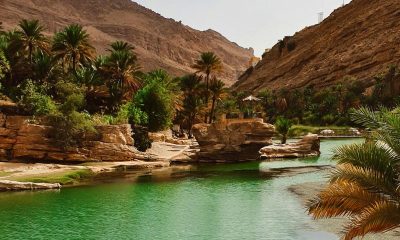
The streets are quiet before sunrise. Lights flicker in a few windows, but most remain dark. In Arab countries, that stillness ends with the Fajr prayer. It is the first call of the day, shaping mornings for millions.
For Saturday, 20 September 2025, prayer times across Riyadh, Dubai, Abu Dhabi, Doha, Manama, Muscat, and Kuwait are confirmed. A schedule that becomes part of daily life, as natural as the rising sun.
Fajr Prayer time today – 20 September 2025
City
Fajr Time
Riyadh
04:23
Dubai
04:50
Abu Dhabi
04:54
Doha
04:15
Manama
04:07
Muscat
04:37
Kuwait City
04:14
A table like this looks simple. Yet for worshippers, every minute matters. A few minutes early and the sky hasn’t shifted. A few minutes late and the window has already passed. That’s why accuracy matters. Mosques set alarms, families adjust routines, and the city’s rhythm follows the clock.
Significance of Fajr Prayer in Islam
Fajr is more than timing. It is the discipline of rising when the body wants to rest. It is faith before routine. Many believers say the quiet of dawn is unmatched, cool air on the skin, birds just starting to stir, kitchens carrying faint smells of bread or tea. It is the one prayer that feels like it belongs to silence itself. Scholars describe it as a shield at the beginning of the day, a way to start with clarity before work, trade, and school scatter attention elsewhere.
Fajr Prayer Time by City
Each capital city has its own mark on the clock. The spread may seem narrow, but it changes how mornings begin. Tomorrow’s schedule is clear:
Riyadh – 4:23 AM
Dubai – 4:50 AM
Abu Dhabi – 4:54 AM
Doha – 4:15 AM
Manama – 4:07 AM
Muscat – 4:37 AM
Kuwait City – 4:14 AM
Picture Doha at 4:15 AM. Mosques already glowing, streets still dim, worshippers moving quietly. At the same time, Dubai still has half an hour left before its first call. These gaps are shaped by geography, not human choice. Latitude, coastline, and horizon draw the line.
Why Fajr Prayer Times Differ Across the Gulf?
Prayer times do not copy-paste across the region. Riyadh’s desert horizon is different from Muscat’s shoreline. The angle of twilight, the position of the sun, the way light bends across land and water, all these alter the clock. That is why one city rises while another waits.
There is also the matter of calculation. Religious councils rely on twilight degrees, with small differences between methods. One authority may fix Fajr at 18 degrees, another at 15. To most, the math is invisible. But that shift of a single number can push the call forward or back by a minute. Those minutes matter, especially for households building discipline around exact time.
Staying Consistent with Fajr Prayer
The challenge is not finding the schedule. It is keeping it. Alarms ring, and the temptation to roll over is strong. Some households solve it with three alarms in a row. Others trust the mosque loudspeaker. A few put the prayer mat where it can’t be ignored.
Parents pull children up, children pull parents up. The water for ablution is cold, but it shocks the body awake better than coffee. And once the prayer is done, there is a strange calm. Streets outside still hushed, air cool, only the first sounds of birds scratching at the silence.
Miss it, and the day feels uneven. Keep it, and the rest of the hours fall into place. That is the story families across Arab countries repeat. For 20 September 2025, the times are fixed on paper. The real test comes when the alarm goes off in the dark.
This daily ritual is often highlighted in Gulf News and Fajr Prayer Time, reminding millions of the spiritual and practical significance of beginning the day with the early dawn prayer across the Gulf region.








 Top Stories2 weeks ago