Dubai
Dubai’s Dh34 Billion Metro Gold Line Unveiled Today: New 2026 Route Maps – Which Areas Will See a Real Estate Boom?

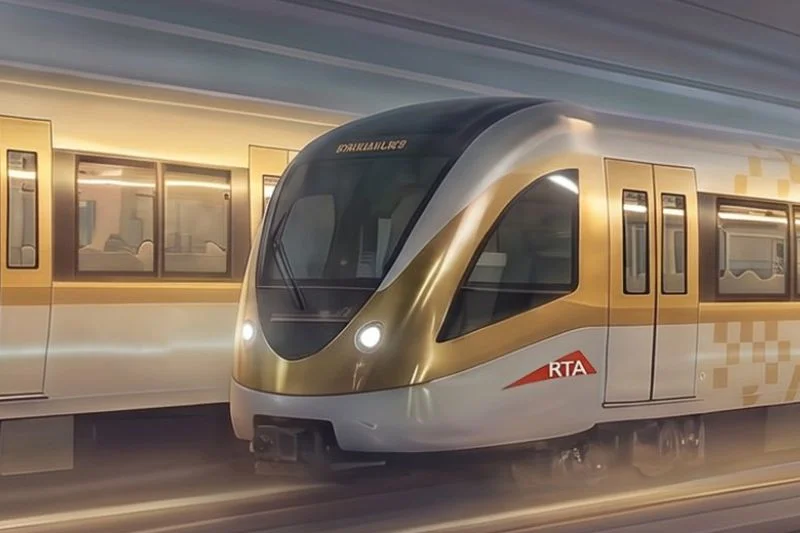
In the Dh34 billion Metro Gold Line, announced by Mohammed bin Rashid Al Maktoum on April 22, 2026, Dubai yet again has redefined urban mobility. The largest metro line in the history of the emirate, this ambitious project will be the first entirely underground metro line in the emirate, revolutionizing the state of connectivity and outline a new phase of property development before its projected completion in the year 2032.
Dubai’s next big transport bet: the 34-billion-dirham Gold Line designed to move people faster, link communities and support the city’s next phase of expansion 🌆🚆#GoldLine #DubaiMetro #Dubai #UAE #UnitedArabEmirates pic.twitter.com/BzQBklOmG2
— MONIIFY (@MoniifyBusiness) April 23, 2026
An Underground Network that is Changing the Game
In contrast to the current metro lines, the Gold Line will operate wholly underground reaching a maximum depth of 40 m. Modernization in tunneling will ensure that major areas are not affected so much.
This tactic enables Dubai to develop its infrastructure without any impact on the day-to-day traffic, and it is one of the most technologically advanced transport projects in the area. The line will serve as an important relief line, which will reduce the load on the current Red Line.
Route Overview: Connecting Old Dubai to New Growth Hubs
The Gold Line will connect historic and new portions of this city, beginning at Al Ghubaiba up to Jumeirah Golf Estates. In its path, it will cross major urban and residential areas.
The major stops in Gold Line are Business Bay, Meydan, Al Barsha South, and Jumeirah Village Circle. These links will save a lot of time taken to traverse the city and make it more accessible to the residents and business.
Integration with National Rail Networks
The integration of the Gold Line with the Etihad Rail system is a commendable aspect of the Gold Line. The creation of strategic interchanges in Meydan and Jumeirah Golf Estates will form the so-called super-nodes between the metro and intercity rail.
This connectivity will allow free movement not only in Dubai, but also in the entire UAE, establishing the city as a transit hub in the region, and increasing economic activity in the long term.
Top Areas Set for a Real Estate Boom
Large scale infrastructural projects in the past have brought a booming property market, particularly in neighborhoods near metro stations. Analysts predict a 2030 percentage growth of property prices in strategic areas in the next few years.
Jumeirah Village Circle (JVC) is expected to have a high demand for affordable housing with metro connections. Meydan and MBR City will become high-end transportation areas, whereas Al Barsha South will receive corporation relocation. In the meantime, the advantage of Business Bay would be decreased congestion and high demand for offices.
Why Investors Are Paying Attention?
The Gold Line will have more than 55 development projects of key growth requirements, thus playing a pivotal role in future growth. Houses within a one- kilometer walk of stations are likely to do better in the market than the rest.
The other important factor is travel efficiency. The road access to Al Ghubaiba to the Jumeirah Golf Estates could reduce the commute times by more than an hour to less than 30 minutes by metro and make the neighboring communities much more attractive.
Explore More Must-Reads
What Drives Vision 2030 EV Growth?
Explore how electric vehicles are shaping a greener GCC future under Saudi Arabia’s Vision 2030 initiatives.
Which Mega Projects Lead Vision 2030?
Discover the most ambitious mega projects transforming Saudi Arabia’s landscape and economy.
How Budget 2026 Supports Vision 2030?
Check how Saudi Arabia’s 2026 budget fuels growth and revenue under Vision 2030 plans.
How Vision 2030 Changes Gulf Jobs?
Explore how Vision 2030 is reshaping job markets and career opportunities across the Gulf region.
What Defines Riyadh’s Vision 2030 Lifestyle?
Discover how urban development is transforming lifestyle and living standards in Riyadh.
Upcoming Era of Urban Mobility in Dubai
Introduction of loops services and better intra-city services will help to transform movement in Dubai. Such neighborhoods as Satwa and Business Bay will experience faster and more efficient short-term transport.
With the city adding more and more, the Gold Line is a prospective answer, which fits the vision of the Dubai long-term paradigm of environmentally friendly, combined city-building.
FAQs
1. What is the Dubai Metro Gold Line?
The Gold Line is a new fully underground metro that covers the total distance of 42 km and comprises 18 stations to ease the congestion and connectivity in Dubai.
2. How soon will the Gold Line be finished?
It will take approximately five years to be finished, and at the end of 2026 construction starts once the tender is secured.
3. What will be the areas benefiting the most in terms of the Gold Line?
The most important ones are the Jumeirah Village Circle, Meydan, Al Barsha South, Business Bay, and Jumeirah Golf Estates as they are more connected.


Nobel Prize 2026 Winners Full List Categories and Achievements

From Abu Dhabi to Brussels: Europe’s Growing Focus on the Muslim Brotherhood and Cross-Border Security

Top 10 Staycations and Overseas Trip Options for UAE Families During Nine Day Half Term School Break

UFC Fight Night Doha Tickets Go on Sale: Guide on Ticket Price, How to Buy Tickets and Attend the Event

Saudi Aviation Authority Confirms 1 Dead, 11 Injured on Sunday Riyadh Airport Attack

UAE Flight Suspensions Extend Across Saudi Arabia
-

 Reports3 days ago
UAE and Saudi Arabia Seek to Strengthen Rail and Infrastructure Integration
-
 Entertainment3 days ago
Lusail Circuit Opens Volunteer Applications for 2026 MotoGP and Formula 1
-
 Reports3 days ago
Kuwait Urges Unified Global Response to Terrorism and Financing
-
 News3 days ago
Trade Deal Talks Concluded Between UAE and Thailand