Opinion
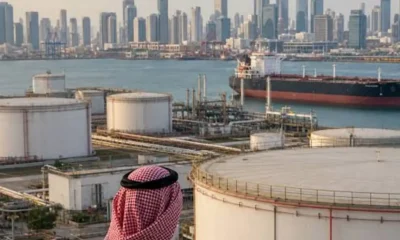
What Aramco’s Q3 Results Say About Saudi Arabia’s Energy Future?

The third quarter 2026 results of Saudi Aramco provide valuable clues to the future direction of the Saudi Arabian energy sector. Aramco has made net income of $31.2 billion compared to a 10% increase the previous year.
In addition to the headline profit, the results highlighted the significance of the operational efficiency and successful financial cash generation and investment in the Kingdom’s future amidst a dynamic state of the global energy market.
Aramco Q3 Results Highlight the Strength of Its Core Business
The net income not adjusted for discontinued operations is up because Aramco is still benefiting from its existing hydrocarbon operations. It did well in the quarter based on operational efficiencies, good realisations of hydrocarbon prices and stable output volumes.
The global energy markets continue to be vulnerable to fluctuating demand, price and geopolitical situations. The improved profitability is a boon to the company’s ability to hedge effectively against the up-and-down wobbling of the markets and continue to be an important supplier of energy.
The outcomes don’t mark the beginning of the era of predictability in the global energy landscape. The need for a business model that can deliver profitability despite market fluctuations. Saudi Arabia’s ability to withstand a crisis as its national energy champion is closely tied to the rest of the economy.
Aramco Q3 Results Point to Strong Cash Flow and Returns
A major element of Aramco’s finances is the strong free cash flow it produces. Cash generation allows a company to retain and redeploy resources for future use and can also pave the way for shareholder returns.
Beyond shareholder returns, it’s important for a company to have financial flexibility, particularly when its capital needs are substantial and are long-term.
This way of working enables Aramco to follow its business priorities, not to consider short-term returns as an enemy of long-term development, while preserving a strong financial base and being able to insure distribution needs with those resources. This would also help boost confidence in the energy sector’s capacity to sustain investments amid market cycles in Saudi Arabia.
Aramco Q3 Results Reflect a Broader Investment Strategy
The company’s investment plan suggests it is not just about traditional oil. Its core business involves integrating the existing facilities and infrastructure, while also embarking on gas field developments such as the Jafurah gas project.
Increase of gas capacity will assist to diversify the energy mix of the Kingdom and support industrial development. Downstream Integration, on the other hand, enables Aramco to safeguard their footprint in additional energy value chain stages.
The company is also progressing towards energy projects with lower carbon emissions. Such investments indicate an attempt to adjust to energy needs as they evolve and continue to take advantage of the benefits from what they already have. They will also have a long-term contribution, which will rely on project delivery, commercial performance and the rate of market development.
Aramco Q3 Results Offer Clues to Saudi Arabia’s Energy Future
The wider implications of the results are around the correlation of financial strength today with the long-term economic aspirations of Saudi Arabia. The Kingdom is moving forward with its economic diversifications and is building energy capacity and its sustainability programme under Vision 2030.
Earnings from Aramco are a good financial foundation, but also an eye on the productivity of the investment will be key to its future impact. Development of gas and downstream expansion and lower-carbon projects will be significant indicators of that progress.
Aramco Q3 results reflect some continuity and change in Saudi Arabia’s energy future. Hydrocarbons are still a significant source of wealth and power in the world and the new investments aim to expand their footprint. The challenge will be to go through that change without compromising financial resilience and competitiveness.
Explore Five Stories on Gulf Security and Global Energy
How could the Strait of Hormuz affect India-Oman relations?
How does a multiplayer game explore the global stakes of the Strait of Hormuz?
What could the UAE’s exit from OPEC mean for oil prices?
Can Gulf waterways remain free from security threats?
How could US sanctions warnings affect oil prices and global trade?
Learn how US sanctions warnings could influence energy markets, oil prices and international trade.






What Aramco’s Q3 Results Say About Saudi Arabia’s Energy Future?

Qatar Hosts Global Dialogue on the Future of Arab Higher Education

Asian Cup 2027 in Saudi Arabia Postponed to December

UAE Flag Day 2026: Easy Ways for Residents to Join the Celebrations

Sultan Haitham Receives Grand Welcome as He Arrives in Brunei

UAE Launches AED12.5 Million Winter Aid Campaign to Support Families in 17 Countries
-

 Trends1 week ago
Saudi Workers to See Higher Minimum Wage Thresholds in 2027 and 2028
-
 Reports5 days ago
Saudi Arabia Issues Weather Warnings as Heavy Rain and Thunderstorms Loom
-
 News1 week ago
Ottawa Welcomes Abu Dhabi Crown Prince on Official Canada Visit
-
 Reports5 days ago
Sharjah Beaches Temporarily Closed as Authorities Urge Public Caution