Opinion
Museum Effect: How Abu Dhabi Is Redefining Soft Power?

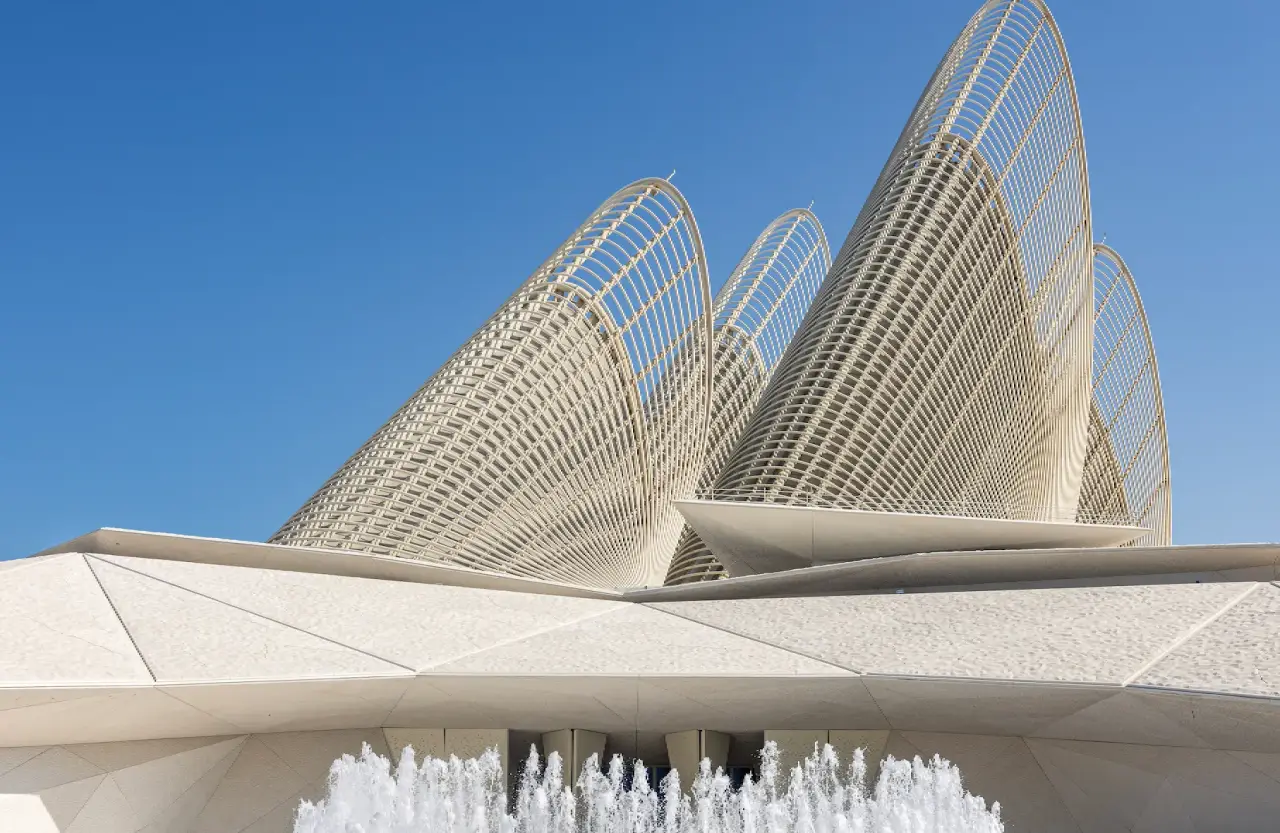
Abu Dhabi’s “Museum Effect” is more than just an ambitious investment in culture. It is a conscious effort to turn museums, architecture and international cultural partnerships into tools of global influence.
This strategy is apparent across the Saadiyat Cultural District, where major institutions are being brought together into an ecosystem designed to attract visitors, creative talent, investment and international attention. In this model culture becomes an economic asset and a diplomatic language.
From Museums to Strategic Partnerships
This approach was laid out by the Louver Abu Dhabi in 2017, when it partnered with France. Its universalist curatorial concept links civilizations instead of narrating human history through the prism of a single culture.
Frank Gehry’s upcoming Guggenheim Abu Dhabi takes that strategy into the world of modern and contemporary art. Together with the Zayed National Museum, these institutions form a cultural portfolio that blends international recognition with a strong sense of regional identity.
Architecture Becomes Soft Power
The buildings themselves are the heart of Abu Dhabi’s cultural message. Jean Nouvel’s Louver, Frank Gehry’s Guggenheim, Norman Foster’s Zayed National Museum and Mecanoo’s Natural History Museum make Saadiyat an architectural draw.
This is important because culture increasingly works its influence through experiences as much as institutions. A landmark building can become a global visual icon that demands attention long before visitors enter its galleries.
The Economic Logic Behind the Museum Effect
The cultural strategy also aligns with Abu Dhabi’s wider economic diversification aspirations. Museums, tourism, conferences and major cultural events can help stimulate activity in hospitality, retail, transport, creative industries and international business.
The Natural History Museum and teamLab Phenomena take this ecosystem out of the traditional fine-art institutions. One explores the history of planetary evolution, the other combines technology and immersive experiences, providing more reasons for international audiences to engage with Abu Dhabi.
Culture as a Bridge Between Civilizations
The deeper meaning of the Museum Effect is its diplomatic potential. Institutions that place different civilizations, histories and artistic traditions in the same cultural landscape may encourage viewers to see connections rather than divisions.
Abu Dhabi’s cultural projects like the Abrahamic Family House are drivers of messages of coexistence, dialog and intercultural understanding. They frame the emirate as a player in conversations about humanity’s common inheritance, rather than just a place of cultural consumption.
A New Definition of Influence
The Abu Dhabi museum strategy indicates that soft power does not necessarily have to rely on political messaging or traditional diplomacy alone. It can also be transmitted through architecture, education, art and the ability to bring different cultures together in the same physical space.
That is the real Museum Effect: making cultural infrastructure a permanent platform for economic diversification, international profile and cross-cultural engagement. Ultimately the success of the model will depend on whether these institutions remain dynamic places of discovery and not just spectacular landmarks.
Don’t Miss These Stories
How is the UAE helping Nepal after the deadly floods and landslides?
UAE Allocates $10 Million in Emergency Aid to Nepal After Deadly Floods and Landslides
Why is Gulf security expanding beyond the Strait of Hormuz?
Why the Future of Gulf Security Lies Beyond the Strait of Hormuz?
How are Kuwait and Indonesia strengthening economic cooperation?
Kuwait, Indonesia Seek to Strengthen Development and Economic Cooperation
What is planned at Zayed National Museum for Emirati Women’s Day?
Zayed National Museum Announces Emirati Women’s Day Long Weekend Programme
How can you set up Starlink for desert camping and RV trips in the UAE?
How to Set Up Starlink for Desert Camping & RV Trips in the UAE?





UAE Encourages Food Industry to Participate in Global Water Dialogue

Kuwait Urges Unified Global Response to Terrorism and Financing

Trade Deal Talks Concluded Between UAE and Thailand

Etihad Suspends Riyadh Flights After Houthi Attacks

Lusail Circuit Opens Volunteer Applications for 2026 MotoGP and Formula 1

UAE and Saudi Arabia Seek to Strengthen Rail and Infrastructure Integration
-
 Reports8 hours ago
UAE and Saudi Arabia Seek to Strengthen Rail and Infrastructure Integration
-
Entertainment8 hours ago
Lusail Circuit Opens Volunteer Applications for 2026 MotoGP and Formula 1
-
 Entertainment1 week ago
10 Must-See Concerts and Shows Coming to UAE This October
-
 News1 week ago
Inside Story of the Dubai-to-Tel Aviv Flydubai Emergency Diversion