Top Stories
6 GCC Countries, 6 Beautiful Natural Landscapes Worth Exploring

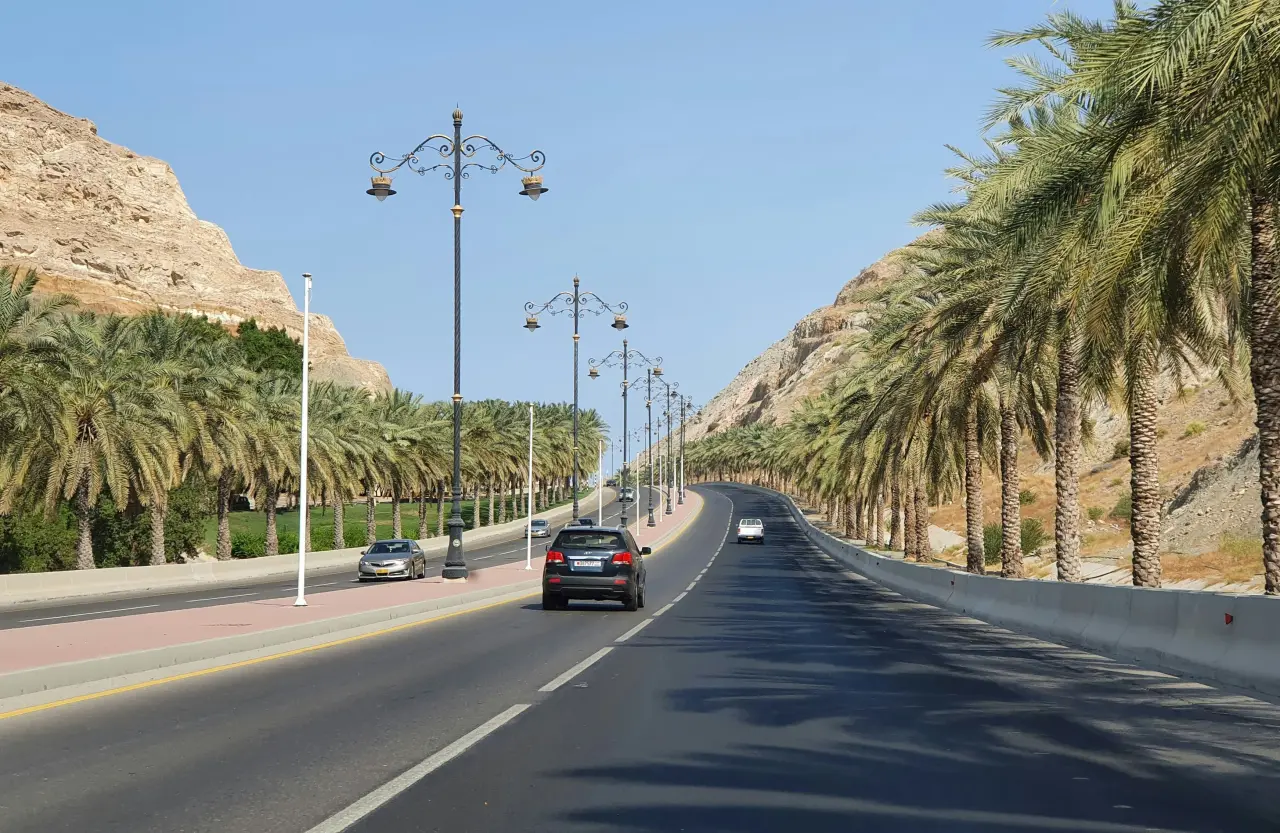
The GCC nations provide more than just contemporary cityscapes, desert roads and bridges. There is a wealth of natural diversity from emerald canyon pools and turquoise coastal waters, to towering heights, vast sand dunes and bird-rich wetlands. These are six different landscapes to explore throughout the Gulf.
Wadi Shab, Oman
Wadi Shab is a spectacular canyon near Tiwi in the Governorate of South Al Sharqiyah, Oman, surrounded by high limestone walls and palm trees. You can follow the rocky trails until you come to some emerald green freshwater pools, then the natural underground waterfall in a secluded cave is reached by swimming. It is one of the most scenic and exciting natural attractions in Oman, offering its visitors a memorable experience.
Khor Al Adaid, Qatar
Khor Al Adaid is the Inland Sea in the southeastern part of Qatar next to Saudi Arabia. This amazing scenery includes large dunes up to hundreds of yards high that plunge straight to the turquoise colored sea waters off the coast, forming an unusual contrast between the desert and the sea. Due to its isolated location and unique topography, it’s a popular spot for desert hikes and eco-tourism.
Jebel Jais, UAE
Located in Ras Al Khaimah at 1,892 metres above sea level, Jebel Jais is the tallest mountain in the UAE. It is a part of the Hajar Mountain range with rugged geology, windy mountain roads and high panoramic views.
The country is known for its subtropical weather in the coastal areas, its surprises of the high valleys and its scenery is quite unique compared to the country’s coastal cities and deserts.
Rub Al Khali, Saudi Arabia
The Empty Quarter of the Rub Al Khali covers the area that includes the world’s largest continuous sand desert of both Saudi Arabia and southeastern Saudi Arabia. Massive dunes, long abandoned beaches and forgotten lakes tell stories of thousands of years of environmental changes. The area is also the habitat of special populations of Arabian oryx, emphasizing its ecological value.
Hawar Islands, Bahrain
The Hawar Islands are a unique archipelago off the southern coast of Bahrain, where natural habitats are still fairly preserved. Coral reefs, seagrass beds and key marine habitats thrive around the islands and the islands serve as an oasis for migratory seabirds. The area is also known to support dugong populations, rendering it a good destination for wildlife or nature conservation.
Jahra Nature Reserve, Kuwait
Jahra Nature Reserve is located close to Kuwait Bay, which contrasts with the dry climate of the rest of the country. Important breeding and feeding grounds it offers for migratory birds, including flamingos, and its freshwater pools, reed beds and tidal mud-flats. The reserve has restored wetlands and helped restore their ecological values, and has become a place for nature lovers to enjoy the abundant birdlife of Kuwait.
Explore Five Gulf Tourism Stories
How could a unified GCC visa create new tourism opportunities for Kuwait?
How is Qatar using the ONE Championship event to boost sports tourism?
Why has Doha been named the GCC Tourism Capital for 2026?
How is tourism becoming an economic engine for Oman, Saudi Arabia and the UAE?
How is desert and eco-tourism transforming travel across the GCC?
Explore the growth of desert experiences and eco-tourism initiatives across the Gulf countries.


Egyptian 11-Year-Old Becomes Arab Reading Champion

GCC Nations Meet in Bahrain to Advance Digital Government Initiatives

6 GCC Countries, 6 Beautiful Natural Landscapes Worth Exploring

Saudi Arabia Issues Weather Warnings as Heavy Rain and Thunderstorms Loom

UAE Calls for De-escalation and Diplomatic Solutions in Region

Sharjah Beaches Temporarily Closed as Authorities Urge Public Caution
-

 Reports6 days ago
Oman Announces Four-Day Public Holiday for National Day
-
 News1 week ago
King Charles Praises Oman’s Peace Efforts in Middle East During Sultan’s State Visit to UK
-
 News1 week ago
Oman and UK Forge New Partnerships in Space, Artificial Intelligence
-
 Reports1 week ago
European Student Protests Highlight Education Inequality and Youth Rights Across Five Countries