
Opinion
Bab al-Mandab Crisis: What the Houthi Expansion Means for Ships and Trade?

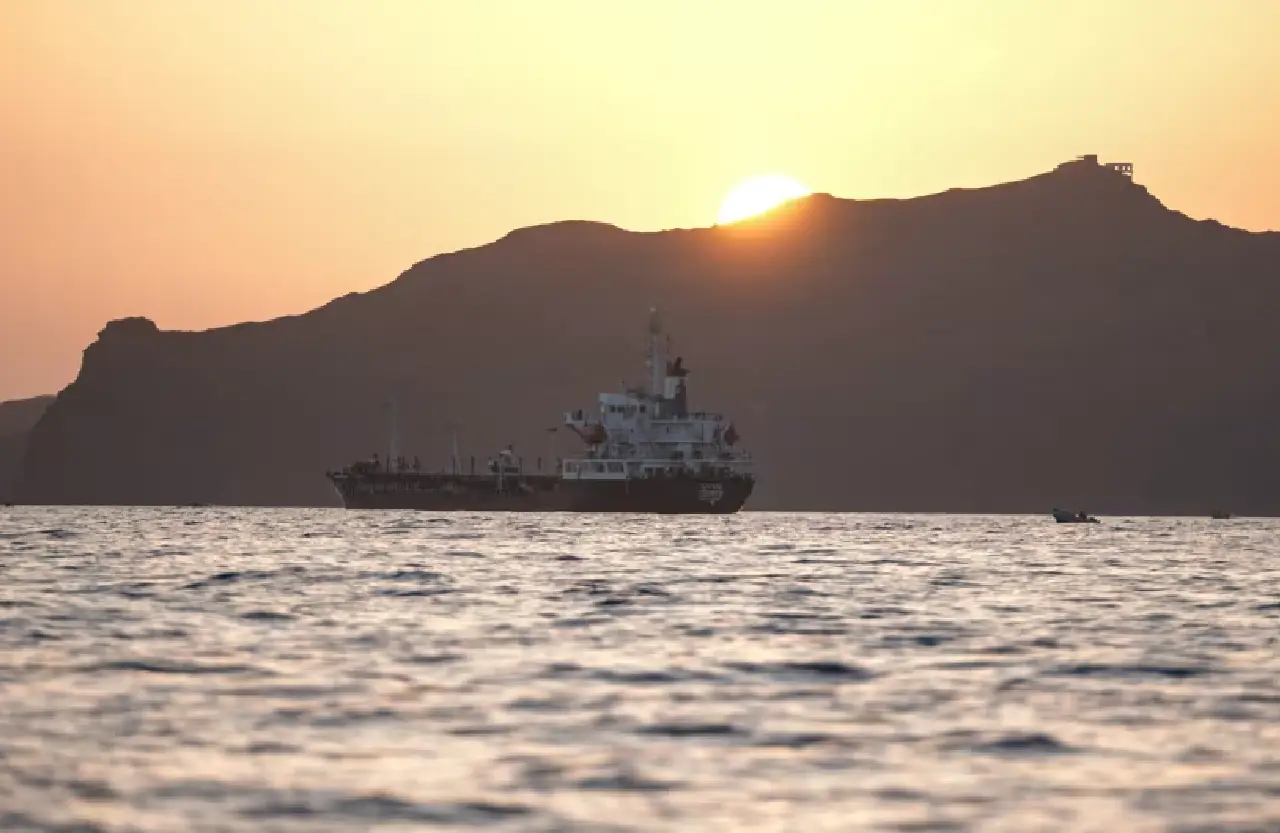
The Bab al-Mandab Strait is a waterway with a distinctly unique character. This is a small waterway between the Gulf of Aden & the Indian Ocean and the Red Sea & the Suez Canal. If the situation in this area breaks down, the effects are not just felt in Yemen or in the Middle East but can spread quickly along global supply chains.
Recent territorial gains by Houthis in the west of Yemen, including the rumored capture of Perim Island is something to watch. It’s not just a matter of territory, but who controls it. It’s on the subject of who can control one of the world’s most important shipping lanes.
Chokepoint the Global Economy Cannot Ignore
Bab al-Mandab is a very important strait between Asia and Europe. The Red Sea-Suez Corridor route is a significant portion of the world’s trading network, as well as energy transportation, and travel without disruption is critical for energy producers, manufacturers, retailers and consumers.
It is even more vital when other area transit methods are blocked. Any deterioration around the strait thus puts a delicate choice between them: they should risk the sea, or be willing to pay the vast expense of the coastal route around Africa and avoid the established route.
Houthi Expansion Raises the Stakes for Shipping
Uncertainty is the chief concern of shipping companies. Houthi authorities have stated that international shipping is not necessarily closed, but they are nonetheless placing restrictions on shipping and targeting vessels they believe are linked to Saudi Arabia and/or broader regional conflicts.
That distinction is of soft solace to commercial operators to determine risk. It’s not necessary for all vessels servicing a route to become an unprofitable one. Expensive insurance, stringent security measures and uncertain delay can be the difference between changing shipping decisions made.
Cape of Good Hope Rerouting Has a Global Price
When the instability becomes serious enough to discourage ships travelling through the Red Sea, ships can opt for the southern African route around the Cape of Good Hope. That option is, however, prohibitively costly, since geography dictates it.
The longer the trip the more fuel that’s used, more ships needed to keep all the schedules and more time it will take to deliver. That can create constraints regarding the supply of vessels and ships’ equipment in case of container shipping. Transportation costs can add up for companies already with slim profits, and will ultimately affect the cost of the products in the hands of consumers.
Energy Markets Face Another Layer of Risk
The implications are not just for container ships. The port of Bab al-Mandab is one of the most crucial routes for supply lines of energy and oil and disruption to traffic can have an impact on already volatile energy markets.
The combination of maritime insecurity with restrictions on the rest of the region leads to a potential price volatility risk. These increased costs for energy can then impact on transportation costs, manufacturing and home costs, making a regional security event a bigger economic issue.
Real Battle Is Over Predictability
Bab al-Mandab’s economy is not just about because of its location; it’s about because of its predictability. However, trade relies on ships passing through defined trade corridors with minimal political and security risk calculation.
LinguiSystem will give the company the ability to modify routes, contracts, and inventories based on the uncertainty, thus the longer the uncertainty continues, the more companies can adjust their plans around it. This is what makes the Bab al-Mandab crisis so much more than Red Sea issues; it can impact global trade costs, trade speed, and the reliability of the supply are determined by control and security at a maritime choke point.
FAQs
For what purpose is Bab al-Mandab useful to the world in trading?
Bab al-Mandab is the strait between the Gulf of Aden and the Red Sea, which links the markets of Asia to the markets of Europe in the Suez Canal.
What does Houthi expansion mean for ships?
Houthi expansion and restrictions can lead to higher security concerns, as well as higher insurance costs and operational risks, for vessels traveling from the Red Sea route.
What advantage did ships have in going through the Cape of Good Hope?
Despite the Red Sea and Bab al-Mandab being open, commercial and/or operational security of these routes may make it non-feasible and ships may reroute around southern Africa.


Mohammed bin Salman Arrives in Cairo as Saudi-Egypt Talks Begin

Etihad Airways and Etihad Rail Sign Deal to Link Air and Rail Travel

Bab al-Mandab Crisis: What the Houthi Expansion Means for Ships and Trade?

Mohammed bin Rashid, Syrian President Discuss Bilateral Ties During Arab Media Summit 2026

Houthi Drone Downed Near Makkah: Saudi Arabia Issues ‘Red Line’ Warning

UAE Allocates $8 Million to Chad to Fight Hunger and Malnutrition Amid El Niño Food Crisis
-

 Trends1 week ago
UAE Schools to Get 9-Day October Break as Dubai Schools Revise Half-Term Dates
-
 Trends7 days ago
iOS 27 Release Date Confirmed: Apple’s New iPhone Update Arrives September 14
-
 Reports1 week ago
Saudi Arabia Opens Security and History Dialogue 2026 in Riyadh
-
 News7 days ago
Bahrain International Airshow Postponed to 2028 Amid Regional Conflict