
News
Oman Postpones Meeting Between Gulf States and Iran Over Strait of Hormuz

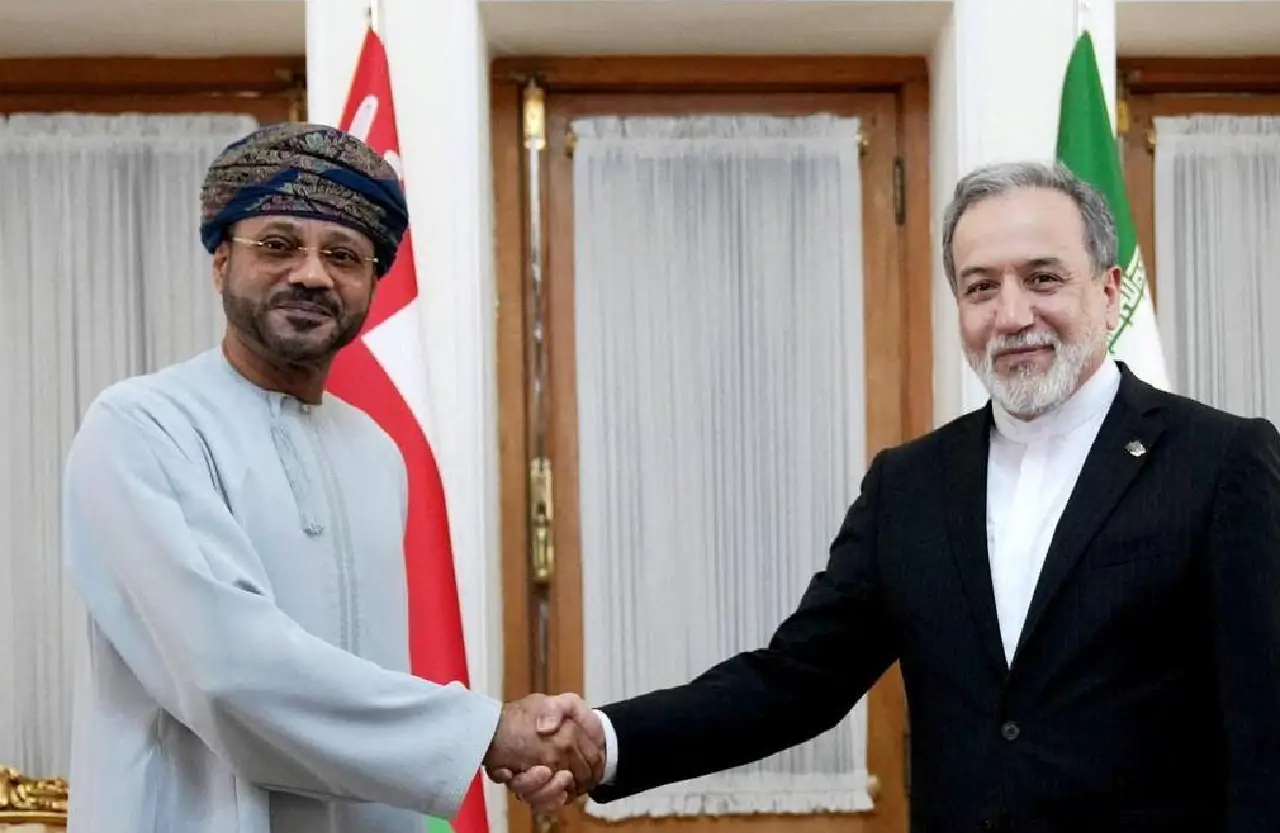
Oman has delayed high-level talks for Gulf States and Iran on the control and security of sea traffic through the Strait of Hormuz, which were supposed to have taken place in Salalah.
The move is coming at an especially delicate moment in the ongoing maritime security situation in the Gulf, amid rising tensions in Gulf waters, escalating shipping disruptions, and worries about energy supplies. However, both Tehran and Muscat have said the discussion may be postponed until “as peace in the region progresses.”
Muscat Cites Need for Consensus
The negotiations were postponed in the “interests of consent”, said Omani Foreign Minister Badr Albusaidi, to establish a conducive environment for subsequent negotiations to be held.
Iranian FOMEA officials also noted that the two parties agreed to postpone the start on a joint basis with Muscat. The decision came in response to requests from a number of regional governments for more time to get ready for the discussions proposed.
The delay therefore seems to be an attempt to stop divisions of the countries involved in the diplomacy from impeding the progress of the diplomacy.
Strait of Hormuz Security at the Center
The proposed bilateral transit pact between Iran and Oman on “safe shipping lanes” through the Strait of Hormuz was reportedly scheduled for discussion at the meetings.
The conversations were also supposed to cover more regional issues that are connected to the ongoing shipping disruptions. The strategic waterway has become an integral part of sea lanes that link the Gulf region with energy markets, making the security of shipping vital to the governments of the Gulf and to global energy markets.
Gulf Participation Faces Diplomatic Challenges
The dialogue proposed was facing challenges even before the postponement was announced. Bahrain officially refused to join, citing their diplomatic ties with Iran, and also their strong ties with Saudi Arabia.
Riyadh, and other Gulf capitals, showed strategic concerns about the long-term viability of the proposed transit means. Among the regional countries that stated that they would take part was Iraq.
The setup of the positions showed the difficulty in designing a regional mechanism that would be accepted by countries whose security concerns/situations were different.
Security Tensions Add to Diplomatic Pressure
It also came as an escalation of security tensions in the waters of the Persian Gulf. A deliberate attack on an Iranian civilian ship near Qeshm Island was reported, fuelling concerns on sea safety matters.
Meanwhile, global energy prices rose on supply worries as oil powers remain economically vulnerable to what goes on in and around the Strait of Hormuz.
Oman and Iran Keep Dialogue Open
Even with the postponement, Oman and Iran have insisted that they are still interested in rescheduling the talks when the picture is favorable in the wider region.
The delay represents an affirmation of Muscat’s status as a diplomatic broker and a factor in helping different nations resolve conflicts. Continued engagement gives Tehran the opportunity to take up sea moves on the talking side instead of further escalation.
What comes of the next phase will rely on the ability of governments to make a compromise and gain the confidence needed to achieve substantive talks.
FAQs
Why did Oman postpone the Gulf-Iran meeting?
Oman delayed the meeting to gain greater consensus and to set the atmosphere for a more conducive environment for constructive diplomatic dialogue.
What does the meeting’s agenda say?
It is anticipated that the talks will touch on a proposed Iran-Oman transit route – for safe passage through the Strait of Hormuz and broader oceanic security issues.
What did limit some of the Gulf States from joining?
There were diplomatic or strategic concerns against the proposed framework in some Gulf countries while Bahrain was not able to attend the framework because it does not have a diplomatic relation with Iran.





GCC Events Calendar: Concerts, Comedy, Cinema and Family Activities Coming Up

Qatar Joins 95 Countries at 35th Abu Dhabi International Book Fair

Dubai Announces Inaugural RailX Conference and Exhibition for 2027

Oman Postpones Meeting Between Gulf States and Iran Over Strait of Hormuz

BRICS Summit: Saudi Arabia Calls for Sovereignty, De-Escalation and Regional Stability

UAE President Welcomes Jordan’s King Abdullah, Discusses Regional Developments
-

 Trends1 week ago
UAE Schools to Get 9-Day October Break as Dubai Schools Revise Half-Term Dates
-
 Trends4 days ago
iOS 27 Release Date Confirmed: Apple’s New iPhone Update Arrives September 14
-
 Reports1 week ago
Saudi Arabia Opens Security and History Dialogue 2026 in Riyadh
-
 News4 days ago
Bahrain International Airshow Postponed to 2028 Amid Regional Conflict