Opinion
Why Can Walkable Communities Improve Everyday Life in the GCC?

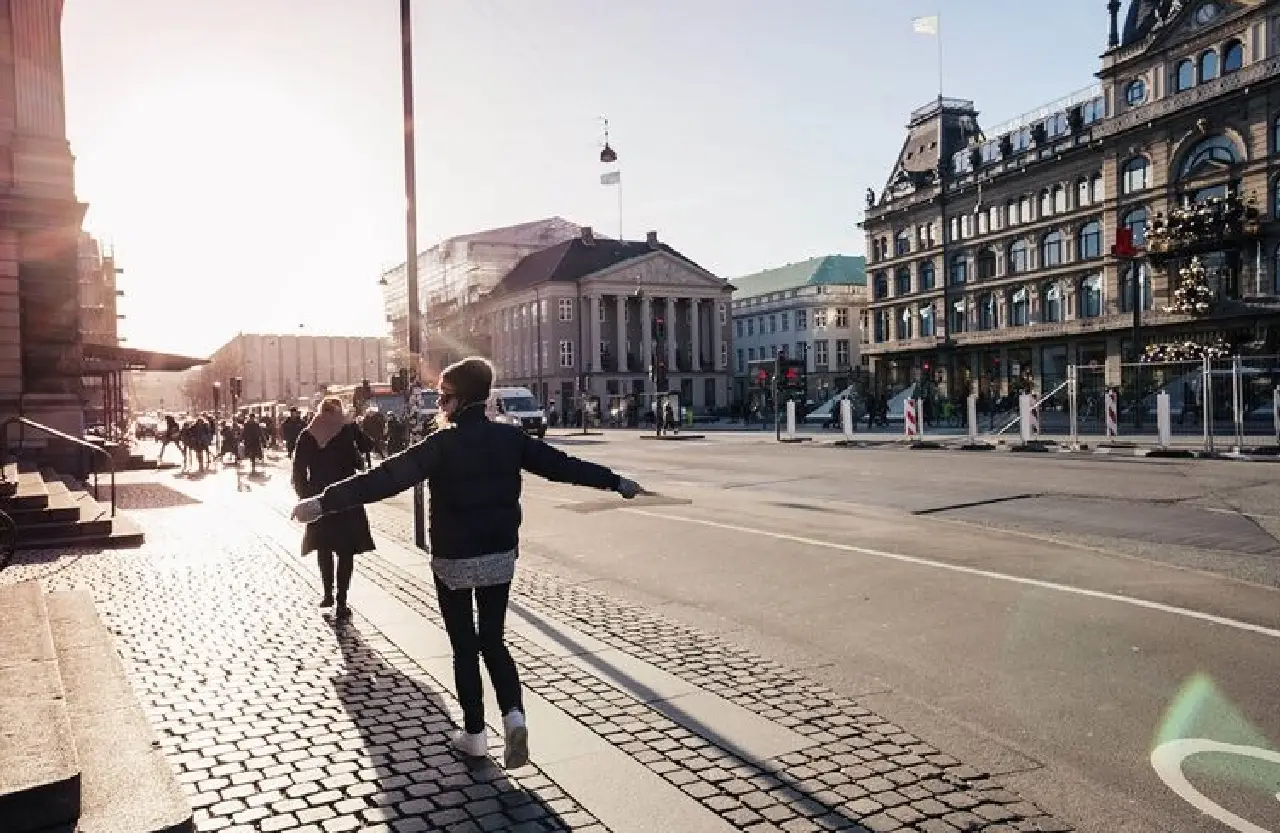
Cities around the GCC are slowly steering towards breaking away from car-focused urban planning and building more people-centric, connected urban neighbourhoods. The UAE and Saudi Arabia, are also increasingly developing and implementing initiatives such as Dubai’s 15 minute city, Riyadh’s Sports Boulevard, and the UAE’s mixed-use districts, in an effort to achieve a vision of healthier, more livable communities.
Given the current city layouts, temperatures and restricted pedestrian facilities in the Gulf, private vehicles have been heavily utilized by residents for decades. Walkable communities are changing this today by offering easy walking access to places where people live, work, learn and play and offer a multitude of enhancements to people’s quality of life.
Encouraging Healthier and More Active Lifestyles
One of the best features of walkable neighborhoods is that they actually promote walking. If people do not have to take a long bus or train ride, they will walk and get exercise in their everyday lives without setting aside special workouts.
The movement will play its part in combating chronic public health issues in the GCC region such as diabetes type-2, obesity and cardiovascular diseases, every day. Whenever someone has to leave the house, they start walking even when they’re not supposed to be doing any physical activity.
Building Stronger Communities
Walkable streets are not only good for transportation, they are also good for social connections. Spontaneous interactions among neighborhood businesses, families, and neighbors are promoted through public spaces, shaded pedestrian spaces, neighborhood parks and outdoor gathering areas.
These public areas can be found in areas where a large percentage of residents are not active outdoors much of the time and can help fight the isolation they are experiencing. They also can enable a lively community where residents view themselves as connected to their community.
Saving Time and Reducing Household Costs
Limiting private car use provides real and tangible cost savings. Families can pay less for their fuel, maintenance, parking and road tolls, enjoy increased convenience with day to day activities, and more.
The TODs are more efficient ways to get to work. Residents will have more convenient access to commercial and metro areas from home, as well as walking children to nearby schools without long hours in traffic.
Creating Comfortable Outdoor Spaces Despite the Climate
Historically, high summer temperatures have been a deterrent to walking over the Gulf. This is being tackled by modern urban planning approaches that focus on creating more comfortable outdoor environments and spaces that are sensitive to the impacts of climate change.
Shaded walkways, native trees, landscaped parks, covered arcades, reflective paving materials, and street plan configurations that enhance air circulation are increasingly added to many new developments. These elements have the potential to make outdoor areas cooler in the area and make year-round home-entertainment an attractive option.
Supporting Local Businesses and Property Growth
The result is economic benefits of walkable neighborhoods, too. Boutique shops, convenience stores, restaurants and cafes are greening their hosts in their local area as opposed to just relying on destination shoppers.
Mixed-use development, meanwhile, can have greater property demand in the same time frame. Other hot areas for those looking to buy and invest long term are also pedestrian-friendly like Downtown Dubai, Jumeirah Lake Towers and Al Maryah Island in Abu Dhabi.
A New Direction for Gulf Cities
Walkable communities are not just a planning concept, they are a sign of an ongoing trend of healthier, more sustainable and people-oriented cities throughout the GCC. Citizens are poised to experience better health, better communities, lower transportation costs, and better daily life, as governments invest in smart city projects and public spaces.
Gulf cities are designing neighbourhoods of people, not vehicles, ensuring a more convenient and resilient urban way of life.
FAQs
What is a walkable community?
A walkable community is a place where it is easy to get to an area’s most critical destinations on foot, minimizing frequent trips in a car.
What are the most walkable cities in the GCC?
However, other cities are making significant efforts to become more people-friendly as seen in the Dubai office, Riyadh’s 15 minute city, Abu Dhabi Sports Boulevard and the transit-oriented mixed use community in Doha.
Do communities that are walkable really improve home values?
Yes. These are the factors that make properties in well-crafted, pedestrian friendly, mixed-use communities more desirable, and therefore less likely to be vacant with higher rental yields.
You May Also Like
What’s trending in Arabic mini-series?
Explore the hottest viral Arabic mini-series across GCC platforms in 2026 with this complete OTT guide.
Which Arabic-dubbed Netflix shows dominate?
Discover the most popular Arabic-dubbed Netflix series making waves across the GCC right now.
What are top Arabic series 2026?
Check out the best Arabic series on OTT platforms that are defining entertainment trends in 2026.
Where to watch free Turkish dramas?
Explore the top free Turkish dramas streaming in Dubai in 2026 for your next binge session.
Which comfort films are trending now?
Discover the most loved comfort films currently trending across the Middle East for relaxing viewing.


UAE Leaders Pay Condolences to Sheikh Mohammed After Sheikh Ahmed’s Death

Kuwait and Pakistan Discuss Joint Military Coordination and Defence Cooperation

Sheikh Abdullah Leads UAE-France-India Talks on UNGA Sidelines

Qatar Amir Joins US-Hosted Multilateral Meeting in New York

Saudi National Day 2026: Fireworks, Parades and Air Shows Across the Kingdom

UAE Joins Seven Countries in Renewed Push for Gaza Peace
-

 News1 week ago
UAE President Welcomes Jordan’s King Abdullah, Discusses Regional Developments
-
 Reports1 week ago
BRICS Summit: Saudi Arabia Calls for Sovereignty, De-Escalation and Regional Stability
-
 Reports1 week ago
Free Abu Dhabi Visa for Indian Tourists: What to Know Before Booking
-
 News1 week ago
Oman Postpones Meeting Between Gulf States and Iran Over Strait of Hormuz