
News
Will EAM Jaishankar’s July Visit Expedite Consular Services for Indians in Kuwait?

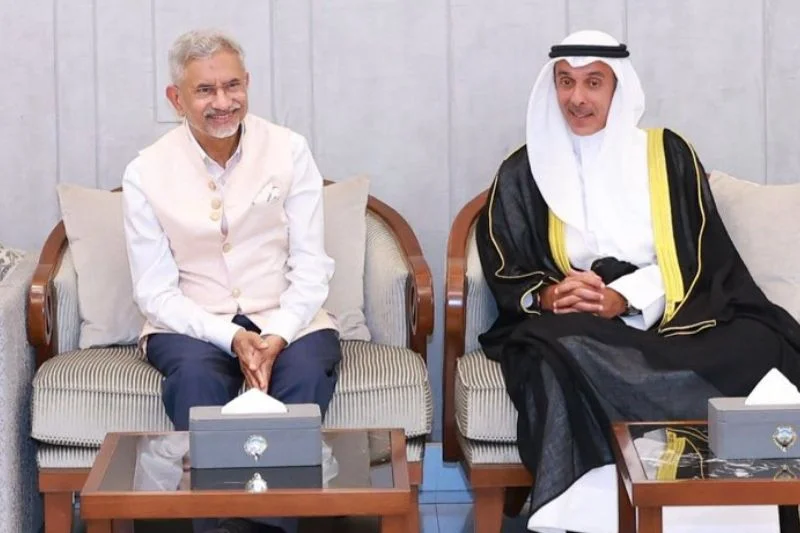
The EAM of India, Dr. S. Jaishankar, has set off on his official visit to Kuwait, which is one of his four countries’ tours to the Gulf, scheduled from July 5 to July 10, 2026. His visit comes after the Strategic Meetings held in Qatar and Bahrain, and underscores New Delhi’s ongoing attempts to strengthen its relations with the Gulf countries in the wake of shifting dynamics in the region.
The visit focussed on the growing concern in the country with energy security and regional stability, but the visit has sparked great interest among the large Indian expatriate population in Kuwait. The widespread interest and high expectations of many residents that the discussions result in more efficient consular services, better administrative services and more robust Welfare programmes.
Why Is Kuwait an Important Stop?
Kuwait is one of India’s major partners in the Gulf, especially in terms of human resource tie-ups, energy cooperation, and trade. Indians work in the fields of construction, healthcare, engineering, retail, hospitality sectors, and infrastructure in Kuwait and contribute to its industry with thousands of professionals.
As an important and large community, consular exchange continues to be a vital part of bilateral relations. Popular functions like renewal of passports or visa issues, document attestation from the authorities, labour-related matters and similar services directly impact thousands of Indian nationals residing in the country and engaged in various activities.
A Strong Focus on Expat Welfare
The second key agenda will involve discussions with the Indian community and addressing their welfare needs, a significant aspect of which will be the celebration of Diwali festival. The delegation will likely have meetings with community members to gain insight into community concerns about consular processing and administrative procedures.
The protection and welfare of the overseas Indians has been the focus of the Indian government’s constant attention. There is an opportunity to improve communication between the embassy, local authorities and the expatriate community with a view to improving service delivery and meeting practical problems of the residents too.
Could Consular Services Become Faster?
While there is currently no official announcement about which reforms will take place, there are times when a diplomatic visit like this one can help facilitate bilateral coordination. Arguments can involve the steps necessary to make document processing more efficient, identify administrative time delays, or make digital consular services more effective.
Indian and Kuwaiti trade authorities could also coordinate better on some of the verification processes and enhance support protocols for the Indian citizens who are facing legal or employment-related problems in Kuwait.
More Than Just Community Welfare
The trip also has a strong accent on regional security and economic cooperation, beyond the expatriate concerns. As part of the ongoing geopolitical developments in West Asia and efforts for peace and stability in the recently concluded US-Iran peace grouping, both countries will hold talks on maritime security, stability in the region and uninterrupted commercial sea traffic.
The talks are especially crucial as they are linked to the predictable easing of shipping traffic between India and the Gulf countries, which are vital to the energy supplies and trade and commerce ties between the two regions.
Supporting Energy and Trade Partnerships
One of the most resilient areas of India-Kuwait relations remains Energy security. In the context of a recent geopolitical shift, as global oil markets adapt, both governments will seek to consider long-term energy cooperation and investment.
The bilateral dialogue will also include talks on expanding trade, cooperation in the sector of defence and new commercial arrangements which would benefit businesses in both countries.
What Happens After Kuwait?
After accomplishing his duty in the Gulf, Dr. Jaishankar will continue his international itinerary. He is to visit New York on July 13 for the kick-off of India’s run for getting a non-permanent role on the UN Security Council for the 2028-2029 term.
The next few days will see him heading to Brussels for the 3rd India-EU Trade and Technology Council (TTC) meeting between the two sides, where he will meet his EU counterparts to take up discussions on the proposed India-EU Free Trade Agreement.
Why is this Visit Important?
This visit is significant to Indian citizens that live in Kuwait, as more than conferences and conversations, it is a periodic demonstration of diplomacy. It mirrors India’s effort to keep one of its key Gulf partners engaged and hinge to its cause, and at the same time have not forgotten the needs of those who are abroad.
Ongoing diplomatic dialogue, which may produce policy changes at a later stage, frequently serves to foster better relations with counterparts in consular and labour affairs and in the community more broadly. The results of these discussions will therefore be closely monitored by expatriates, businesses and policy makers.
Explore More Must-Reads
What Drives Vision 2030 EV Growth?
Explore how electric vehicles are shaping a greener GCC future under Saudi Arabia’s Vision 2030 initiatives.
Which Mega Projects Lead Vision 2030?
Discover the most ambitious mega projects transforming Saudi Arabia’s landscape and economy.
How Budget 2026 Supports Vision 2030?
Check how Saudi Arabia’s 2026 budget fuels growth and revenue under Vision 2030 plans.
How Vision 2030 Changes Gulf Jobs?
Explore how Vision 2030 is reshaping job markets and career opportunities across the Gulf region.
What Defines Riyadh’s Vision 2030 Lifestyle?
Discover how urban development is transforming lifestyle and living standards in Riyadh.


Oman Makes the List of Top Travel Destinations for 2027

Where to Watch The Paradise in Dubai and Abu Dhabi: Complete Cinema Showtimes and Ticket Guide

Saudi FM Takes Part in GCC-ASEAN Talks to Boost Economic Cooperation

UAE and Africa Deepen Economic Ties Through Trade and Investment

Saudi Arabia Calls for Protection of Seafarers Amid Strait of Hormuz Crisis

Kuwait Reaffirms Regional Security Role at Arab-US Summit
-

 Reports1 week ago
Free Abu Dhabi Visa for Indian Tourists: What to Know Before Booking
-
 Reports1 week ago
Gold Under Pressure as Strong Dollar and Higher Yields Weigh on Prices
-
 News1 week ago
Etihad Airways and Etihad Rail Sign Deal to Link Air and Rail Travel
-
 Reports4 days ago
Kuwait Expands Global Humanitarian Support With Food, Water and Medical Aid