News
Iranian Rial Continues Free-Fall — Economic Impact on Trade & Businesses Linked to Gulf Markets

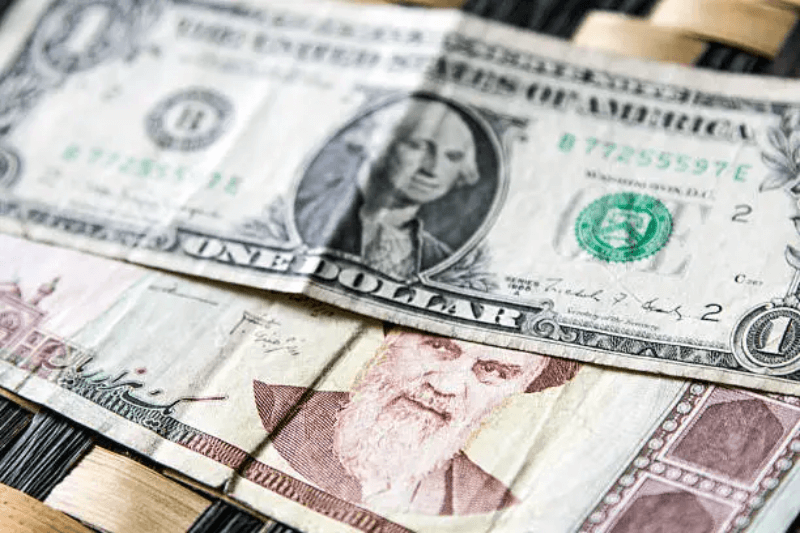
Having fallen significantly to more than 1,055,000 IRR to USD in mid-January 2026, the currency has been affected by the sanctions, geopolitical and oil price fluctuations, and is exacerbating the hyperinflation of around 40 percent. This free-fall destroys Gulf trade interconnections, with Iranian exporters experiencing uncompetitive prices with the UAE stable of the dirham, cutting exports to Dubai ports by an estimated 25 percent in such major industries as petrochemicals and pistachios. Qatar and Saudi businesses complain of payment and barter shift latitudes, and importers in Bandar Abbas have to contend with costs soaring, compelling them to renew contracts. Gulf companies that have connections with Iran switch to Turkish or Indian suppliers, which will put pressure on Tehran-Dubai trade centers that are pivotal to non-oil trade of $12B per annum. Some of the ripple effects are increased costs of shipping as well as supply chain bottlenecks in the region.
Gulf Trade Disruptions
The free-fall of the Iranian Rial blows out the importation bills of Gulf-related Iranian companies and blocks the purchase of machinery in Dubai souks. Bi-lateral transactions fail since the rial volatility undermines trust.
Business Operation Challenges
Kish and Qeshm free zones stop expansions by SMEs, where the risks of rial-dependent debts have inflated by 60 percent. The cost of labor shoots up, and layoffs are made.
Regional Economic Ripple Effects
In GCC, Iranian goods in stock before pre-declaration, whereas long-run changes are toward stable currencies such as Qatari riyal. Tehran encourages crypto barter due to the avoidance of SWIFT.


Dubai 7s 2026 Tickets Go on Sale: Dates, Prices and How to Book

Qatar Names 243-Athlete Team for Aichi-Nagoya 2026 Asian Games

The Mecca Defence Pact Is Built on Convenience. Can It Last?

H.H. Sheikh Mohammed Visits ADIHEX 2026, Celebrating UAE Heritage, Hunting and Equestrian Culture

Makkah Defense Pact: Strategic Committee to Hold First Meeting in Istanbul

UAE Expands Gaza Relief Efforts With New Aid Convoys Under Operation Chivalrous Knight 3
-

 News1 week ago
Global Humanitarian Leaders Gather in Dubai to Shape Future of Aid Ahead of DIHAD 2026
-
 News6 days ago
MBS and Macron Chair First Saudi-French Strategic Partnership Council Meeting in Paris
-
 Entertainment1 week ago
A Parent’s Guide to Visiting Panda House Park in Al Khor
-
 Reports1 week ago
UAE and Egypt Strengthen Energy Partnership With New Drilling Plans